
Pruning
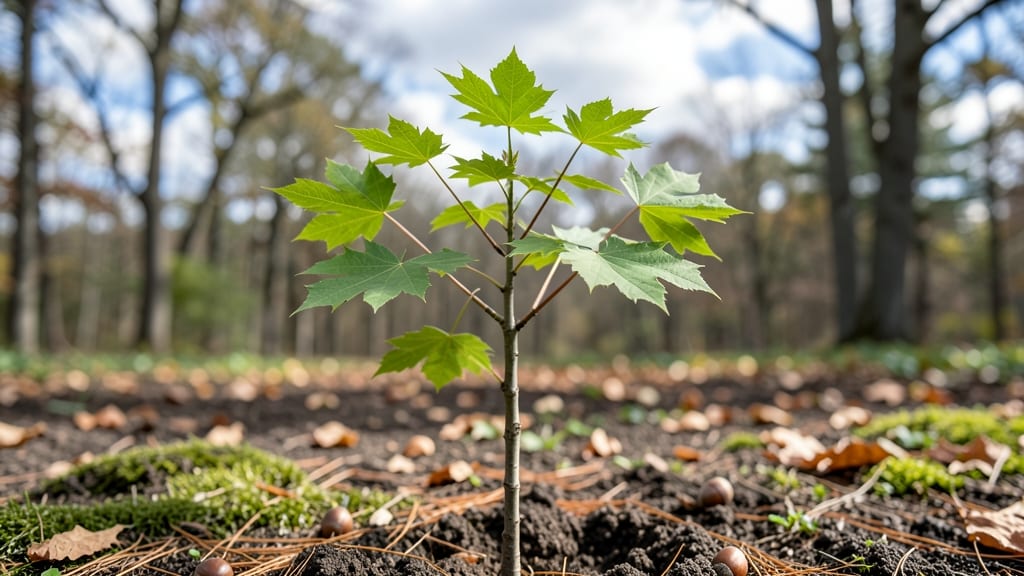
Pruning your sugar maple tree sapling now determines how it grows for decades. ✂️ I’ve watched young maples transform from scraggly sticks into sturdy, wide-canopied giants—all by making a few key cuts in the first five years.
The right pruning encourages strong branches that hold weight and resist storms, while poor cuts invite disease and weak growth.
Start by removing any branches growing straight up (called "water sprouts") or crossing others—these compete for sunlight and nutrients. Use clean, sharp pruning shears to cut just outside the branch collar (the swollen area where the branch meets the trunk).
For saplings under 3 inches thick, a single cut is all you need; thicker branches may require three cuts to avoid tearing the bark.
You’ll see immediate results: new growth will fill gaps where you pruned, and the tree’s structure will look balanced within weeks. Over time, this method produces a stronger, more fruitful tree with fewer weak limbs that break in ice storms.
The best time to prune is late winter or early spring, before new leaves emerge.
This approach works for sugar maples in zones 3-8, though young trees in colder climates benefit from extra protection during winter. Avoid heavy pruning in drought years—water deeply before and after cuts to help the tree recover.
With consistent care, your sapling will develop into the kind of maple that makes neighbors stop and admire your yard.
📚 In This Guide
- What you need
- Instructions
- Tips and common mistakes
- Wrapping up and next steps
What you need
- ● Pruning shears: Bypass pruners (sharp, 6–8" blades) for clean cuts on small branches (1/4"–3/4" thick). Anvil pruners are a backup but can crush sap.
- ● Lopping shears: For branches 3/4"–2" thick (extendable handles help with reach!).
- ● Pruning saw: Curved-tooth saw for branches 2"–4" thick (avoid straight teeth—they tear wood).
- ● Disinfectant: 70% isopropyl alcohol or bleach solution (1 part bleach:9 parts water) to sterilize tools between cuts (prevents disease spread).
- ● Rubbing alcohol or hand sanitizer: For cleaning hands after handling sap or saplings.
- ● Gloves: Garden gloves (nitrile-coated for grip and protection from sap).
- ● Work boots or sturdy shoes: With ankle support (saplings can be slippery!).
- ● Pruning sealant: Tree wound paint (only use on large cuts >2" diameter; otherwise, let the tree heal naturally!).
- ● Tarp or drop cloth: To catch falling branches or sap (keep your workspace clean!).
- ● Ladder or step stool: If your sapling is taller than 6 feet (ensure it’s stable!).
- ● Notebook & pen: To sketch a quick map of branches you’ve pruned (helps track progress).
- ● Safety glasses: In case of debris or sap splatter.
- ● ✅ Timing: Prune in late winter or early spring (before buds swell) for sugar maples.
- ● ✅ Weather: Choose a dry, overcast day (wet wood splinters; sunlight can stress the tree).
- ● ✅ Tools check: Sharpen blades before pruning (dull tools tear wood, inviting disease).
- ● ✅ Safety first: Wear long sleeves/pants to avoid sap burns or scratches.
Step-by-step guide to pruning a sugar maple sapling
Here's how to shape your young maple into a sturdy, healthy tree with strong branches.
✂️ Step 1: Gather the Right Tools and Safety Gear
Start by grabbing your sharp pruning shears (for branches up to ½-inch thick) and loppers (for thicker branches). I always wear gloves—maple saplings have thorns that can draw blood if you're not careful. A small bucket for debris and disinfectant (like rubbing alcohol) will keep your tools clean and prevent disease spread.
Check your tools first: dull blades tear wood instead of cutting cleanly, which invites infections. A quick wipe-down with disinfectant after each cut ensures you won’t accidentally transfer pathogens between branches. Work on a dry day—wet conditions make pruning messy and increase the risk of fungal issues.
☀️ Step 2: Prune at the Right Time and Under Ideal Conditions
The best time to prune a sugar maple sapling is late winter or early spring, just as buds begin to swell but before new growth starts. This timing helps the tree heal quickly and reduces stress. Choose a day when temperatures are above 40°F—cold sap slows healing, and you don’t want to shock the tree.
Prune on a calm, sunny day to avoid spreading disease. If you must prune in summer, do it early in the morning when the air is cool and humid. Avoid pruning during wet or stormy weather—wet branches are more prone to splitting, and rain can wash debris into fresh cuts, inviting rot.
🌿 Step 3: Remove Dead, Damaged, or Crossing Branches First
Start by scanning the sapling for branches that are dead, diseased, or broken—these should go first. Use your shears to make a clean cut just outside the branch collar (the swollen area where the branch meets the trunk). Cutting too close to the trunk can damage the tree’s healing tissues.
Next, look for branches that cross or rub against each other. These often create wounds that invite pests and disease. Remove the smaller of the two branches—never cut back to a large branch, as this leaves a stub that won’t heal properly. If a branch is growing straight up from the trunk, prune it out entirely unless it’s a strong, central leader.
⏰ Step 4: Thin Out Crowded Branches for Better Airflow
Sugar maples grow best with an open canopy that allows sunlight and air to reach the center of the tree. Look for branches that are growing too close together—these compete for sunlight and nutrients. Aim to space branches about 6-12 inches apart on the trunk, depending on the sapling’s size.
When thinning, remove branches that grow inward or downward. These rarely produce strong growth and can create weak crotches (the point where branches meet the trunk). Cut back to a lateral branch or bud that’s growing outward—this encourages the tree to develop a strong, upright structure. Never remove more than 25% of the tree’s foliage in one session.
🪴 Step 5: Shape the Tree for Future Growth and Fruit Production
Now’s the time to encourage a balanced shape. Sugar maples produce their best fruit on well-spaced, strong branches, so focus on creating a framework that allows sunlight to reach all parts of the canopy. Prune to maintain a central leader (the main upward-growing branch) and remove competing vertical stems.
For a more natural look, leave some lower branches if they’re healthy and well-attached. These can provide shade and shelter for wildlife. Avoid heavy pruning of the top—this can leave the tree vulnerable to storm damage. Step back every few cuts to visualize the tree’s shape. You’re aiming for a tree that looks full but not crowded, with branches spreading evenly in all directions.
Tips & tricks for pruning a sugar maple sapling
These simple tricks will help you prune your maple sapling like a pro—without stressing the tree or yourself.
Tool Prep is Non-Negotiable: Before you make a single cut, sharpen your pruning shears and loppers with a file or honing tool. Dull blades crush wood fibers instead of cutting cleanly, which invites infections. I test my tools by making a clean cut through a scrap piece of wood—if it tears, they need sharpening. Also, wipe down blades with rubbing alcohol between cuts to prevent spreading disease from one branch to another.
Visualize the Tree's Future: Step back every 5-10 minutes during pruning to visualize how your cuts will affect the tree's shape. Focus on creating a "central leader"—the main upward-growing branch—while removing competing vertical stems. Think of it like sculpting: you're shaping a framework that will support years of healthy growth. If you're unsure, snap a photo before starting so you can reference your original vision.
Timing is Everything: The late winter/early spring window (when buds swell but before new growth starts) is critical because the tree's healing response is strongest during this period. If you must prune in summer, do it early in the morning when temperatures are below 75°F to reduce stress. Pro tip: Check the weather forecast for 48 hours after pruning—avoid pruning if rain is predicted, as wet conditions can wash debris into fresh cuts and invite rot.
Branch Collar Matters: Always make your cuts just outside the branch collar (that swollen area where the branch meets the trunk). This natural healing tissue helps the tree seal the wound faster. If you cut too close or leave a stub, the tree will struggle to close the wound properly, leaving it vulnerable to pests and disease. Think of the branch collar as the tree's natural bandage—don't remove it!
Pro Tips for Sugar Maple Tree Sapling
- These simple tricks will help you prune your maple sapling like a pro—without stressing the tree or yourself.
- Tool Prep is Non-Negotiable: Before you make a single cut, sharpen your pruning shears and loppers with a file or hon...
- Visualize the Tree's Future: Step back every 5-10 minutes during pruning to visualize how your cuts will affect the t...
Frequently asked questions
Got questions about nurturing your sugar maple tree sapling? You’re not alone! Here are answers to the most common concerns—from pruning timing to troubleshooting—so you can grow a thriving, fruitful tree with confidence.
When is the best time to prune a sugar maple sapling?
Prune your sapling during late winter or early spring (before buds swell) to minimize stress and disease risk. Avoid pruning in fall—this can leave wounds vulnerable to pests. For minor shaping, summer pruning (after 60% of leaves have emerged) is also safe, but avoid heavy cuts.
How much should I trim off a young sugar maple?
Remove only 10-20% of the total canopy in one session to avoid shocking the tree. Focus on:
- Dead, diseased, or crossing branches
- Suckers at the base (cut at ground level)
- Water sprouts (fast-growing vertical shoots)
What if my sapling isn’t growing after pruning?
Slow growth could signal over-pruning, poor soil, or pests. Check for:
- Root damage (avoid compacting soil near the base)
- Nutrient deficiency (test soil pH; maples prefer 6.0–7.5)
- Boron or zinc deficiency (yellowing leaves? Amend soil with compost or fertilizer)
Can I use the same pruning techniques for a sugar maple as other trees?
While basic pruning rules apply, sugar maples are sensitive to over-pruning. Avoid:
- Topping (cutting back to a stub)
- Removing more than 25% of branches in one year
- Pruning during drought or extreme heat
What’s a good alternative if my sapling is too small to prune?
If your sugar maple is under 3 feet tall, skip heavy pruning and instead:
- Remove only dead or broken branches with clean cuts
- Train the leader (main vertical stem) to grow straight
- Focus on soil health (mulch with wood chips, water deeply 1–2x/week)
Wrapping up and next steps
Growing a healthy sugar maple tree sapling starts with smart pruning—removing dead wood, shaping for airflow, and encouraging strong branches. With the right tools, timing, and techniques, you’ll nurture a tree that thrives for decades. Your patience and care today will pay off with a stunning, productive canopy tomorrow!
Now that you’re armed with knowledge, take action! Grab your pruners, pick a clear day, and give your sapling the attention it deserves. Ready to prune? Start small, observe progress, and enjoy the journey of watching your sugar maple grow into a majestic centerpiece. 🌳✨