
How To
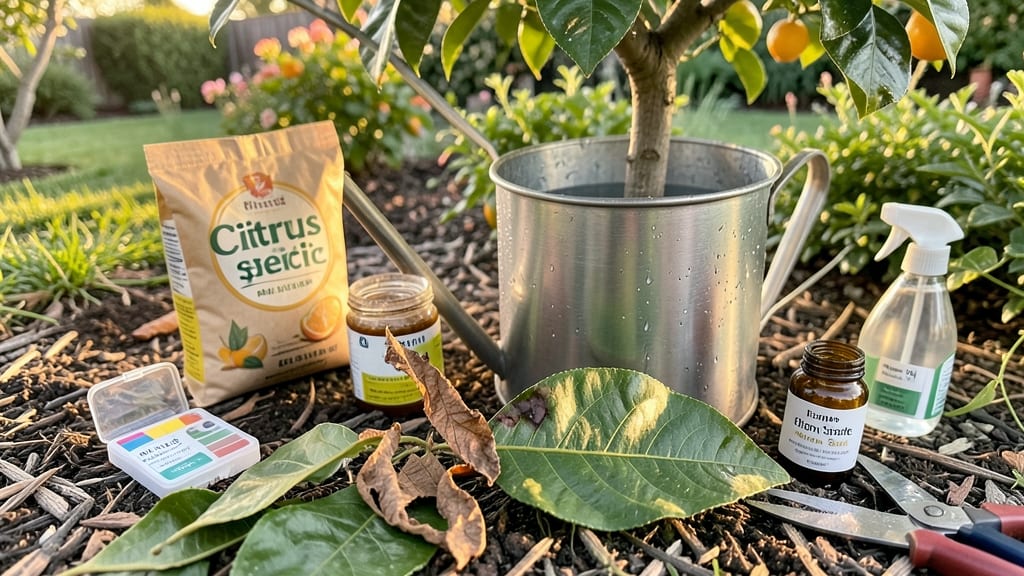
Brown tips on mandarin tree leaves mean your citrus tree is silently begging for help. 🌿 I’ve nursed back more than a few trees with crispy edges—usually by fixing just one overlooked detail in their care routine.
The good news? Most cases aren’t permanent, and the solutions are simpler than you’d think.
Overwatering or underwatering tops the list, but dry air, nutrient imbalances, or even pests like spider mites can cause those telltale brown edges. My first revival trick? Check the soil moisture—it should feel like a damp sponge, not a soggy rag or a powdery desert.
Adjust your watering schedule based on what you find, and watch the new growth respond within weeks.
Once you’ve got the watering right, focus on humidity and feeding. A pebble tray under the pot or a light misting can work wonders for dry indoor air, while a balanced citrus fertilizer (applied every 6-8 weeks) restores the green energy your tree needs.
Within a month, those brown tips will recede, and your mandarin tree’s leaves will shine with that signature glossy sheen.
Prevention is the real game-changer—keep your tree in bright but indirect light, avoid cold drafts, and prune any severely damaged leaves to encourage fresh growth. With these tweaks, your tree will stay lush and productive for years to come.
Root Causes Of Leaf Damage
Understanding why your mandarin tree’s leaves develop brown tips is the first step to restoring its health. These issues often stem from environmental stressors, improper care, or underlying health problems. Below, we break down the most common causes—and how to identify them—so you can take targeted action.
---
Mandarin trees (especially dwarf varieties like Citrus reticulata) are sensitive to moisture imbalances. Brown tips often appear when roots struggle to absorb water efficiently, leading to osmotic stress—where cells lose water faster than they can replenish it.
- Overwatering: Soggy soil cuts off oxygen to roots, causing root rot (Phytophthora or Fusarium fungi).
Symptoms include: - Yellowing leaves (chlorosis) before browning. - Mushy, foul-smelling roots when checked. - Leaves wilting despite wet soil. - Fix: Let the top 2–3 inches of soil dry out between waterings. Use a moisture meter or stick your finger in—if it’s damp past 1 inch, wait.
- Underwatering: Dry soil forces leaves to transpire excessively, leading to desiccation (cell dehydration). Brown tips start crispy and brittle. - Fix: Water deeply but infrequently (1–2 times per week, depending on climate). Mulch with straw or wood chips to retain moisture.
- 💡 Pro Tip: Salt buildup from tap water or fertilizers can also cause browning. If your water is hard (high in minerals), use rainwater or filtered water and flush the soil every 3 months with plain water.
---
Mandarin trees thrive in USDA Zones 8–10, but extreme conditions can scorch leaves faster than they can recover.
- Heat Stress: Temperatures above 90°F (32°C) cause transpiration rates to spike, pulling water out of leaves too quickly.
Brown tips appear on sun-exposed edges first. - Fix: Provide afternoon shade (use shade cloth if outdoors) or move potted trees to a sheltered spot. Mist leaves lightly in extreme heat (but avoid soggy foliage).
- Wind Burn: Fast-moving air dries out leaf surfaces, creating dry, papery brown patches. - Fix: Plant mandarin trees 10+ feet from open windows or prevailing winds. Use a windbreak (like a lattice or hedge) if outdoors.
- Cold Shock: Sudden drops below 50°F (10°C) can cause cellular damage, leading to brown, leathery tips. - Fix: Acclimate trees gradually to cooler temps. In winter, cover young trees with frost cloth or move potted trees indoors.
---
Brown tips aren’t always environmental—they can signal pathogen attacks that weaken the tree’s ability to absorb nutrients.
| Issue | Symptoms | Causes | Fix | |-------------------------|------------------------------------------------------------------------------|--------------------------------------------|--------------------------------------------------------------------------| | Leaf Spot Fungi | Brown, greasy spots with yellow halos; may drop prematurely. | Alternaria or Cercospora spores in humid conditions. | Prune infected leaves; spray with copper fungicide (neem oil works too). | | Root Rot | Brown, mushy roots; wilting despite wet soil; yellowing before browning. | Overwatering + poor drainage. | Repot in well-draining soil (add perlite/pumice); trim rotten roots. | | Bacterial Leaf Blight | Water-soaked brown spots that ooze; leaves curl upward. | Xanthomonas bacteria spread by splashing water. | Remove infected leaves; avoid overhead watering; use bactericide. |
- 🔥 Prevention: Space plants for airflow, avoid wetting foliage when watering, and sterilize pruners with rubbing alcohol to prevent spread.
---
Brown tips can signal micronutrient deficiencies, especially in calcium, magnesium, or potassium—critical for cell structure and water regulation.
- Calcium Deficiency: - Symptoms: Brown, crispy tips that resemble "scorch"; new growth stunted. - Why? Calcium helps cells retain water. Poor soil drainage or high sodium blocks uptake. - Fix: Amend soil with gypsum (calcium sulfate) or lime (if soil is acidic).
Use a balanced citrus fertilizer (e.g., 6-6-6 NPK).
- Magnesium Deficiency (Interveinal Chlorosis): - Symptoms: Yellowing between veins, followed by brown, brittle edges. - Why? Magnesium is key for chlorophyll.
Overwatering or sandy soil leaches it away. - Fix: Apply Epsom salt (magnesium sulfate)—dissolve 1 tbsp in 1 gallon of water and spray leaves monthly.
- Potassium Deficiency: - Symptoms: Brown scorched tips on older leaves; weak stems. - Why? Potassium regulates water and nutrient transport. - Fix: Use a potassium-rich fertilizer (like 0-0-50) or banana peel tea (steep peels in water for 2 weeks).
--- While pests rarely cause just brown tips, their damage weakens leaves, making them prone to environmental stress.
- Spider Mites: - Symptoms: Tiny webs on undersides; stippled, brown patches (like freckles). - Why? They pierce cells, causing dehydration. - Fix: Spray with water daily to deter them; use neem oil or horticultural oil weekly.
- Scale Insects: - Symptoms: Sticky residue ("honeydew") on leaves; brown, curled tips. - Why? They suck sap, starving leaves of nutrients. - Fix: Wipe off with soapy water; apply systemic insecticide (like imidacloprid).
- Aphids: - Symptoms: Curled, brown-tipped leaves; whiteflies or ants (which farm aphids). - Fix: Blast off with water or use insecticidal soap.
--- Compacted or clay-heavy soil suffocates roots, leading to anaerobic conditions—where roots can’t absorb oxygen or water properly.
- Symptoms: - Brown tips even when watered. - Soil stays clumpy and hard when dry. - Roots appear black or gnarled when checked. - Fix: - Repot in well-draining mix: 60% potting soil, 30% perlite/pumice, 10% compost. - Aerate soil by gently forking it or adding vermiculite. - Raise pots on feet to prevent water pooling.
Fixing Brown Leaf Tips Fast
Now that you know the likely causes behind those unsightly brown tips on your mandarin tree leaves, it’s time to take action! The good news is that most issues are fixable with simple adjustments—just match the problem to the solution.
Below, we’ve broken down practical fixes for each common cause, plus prevention tips to keep your tree thriving long-term.
---
Signs: Yellowing between veins, soggy soil, or leaves wilting despite water. Why it happens: Too much moisture suffocates roots, leading to nutrient starvation and browning.
#### Step-by-Step Fix: 1. 🔥 Pause Watering Immediately Let the top 1–2 inches of soil dry out completely before watering again. Stick your finger in the soil—if it’s damp past your first knuckle, wait.
2. 👨🍳 Improve Drainage - Repot if needed: Use a pot with drainage holes (or add a layer of pebbles at the bottom if repotting isn’t an option). - Amend the soil: Mix in perlite, sand, or orchid bark (20–30%) to loosen compacted soil. Mandarin trees hate soggy feet!
3. ⏰ Adjust Your Watering Schedule - Spring/Fall: Water every 7–10 days (less in cooler months). - Summer: Every 5–7 days (more heat = more evaporation). - Winter: Reduce to every 2–3 weeks (growth slows).
4. 🌡️ Check Humidity Brown tips can worsen in dry air. Place a humidifier nearby or mist leaves lightly (avoid overhead watering to prevent fungal issues).
💡 Pro Tip: If your tree is in a clay pot, consider switching to terracotta—it breathes better and helps prevent root rot.
---
Signs: Crispy, papery brown edges on leaves exposed to direct sun, especially in hot afternoons.
#### Quick Solutions: 1. 🌿 Gradually Acclimate Your Tree If you recently moved it outdoors, harden it off over 7–10 days by placing it in partial shade (e.g., under a patio cover) before full sun.
2. 🏡 Choose the Right Spot - Mature trees: Need morning sun + afternoon shade (east or north-facing is ideal). - Young trees: Keep them in dappled shade (like under a sheer curtain or tree canopy) for the first year.
3. 🌿 Use Shade Cloth If your tree is in a hot, exposed area, drape 30–50% shade cloth over it during peak sun (11 AM–3 PM).
4. 💦 Water Deeply in Heat Mulch the base with 2–3 inches of organic mulch (straw or wood chips) to retain moisture and protect roots.
✨ Prevention: Avoid placing mandarin trees near south-facing windows or black asphalt—both radiate heat.
---
Signs: Brown tips plus yellow spots, black mold, or tiny holes in leaves (from mites or scale).
#### Treatment Plan: 1. 🔪 Prune Infected Leaves - Snip off only the browned or spotted leaves with sterilized scissors (wipe with rubbing alcohol between cuts). - Dispose of pruned leaves in the trash (not compost)—fungus spreads easily.
2. 🍳 Apply Fungicide (If Needed) - Neem oil spray (1 tsp neem oil + 1 tsp mild soap + 1 quart water): Spray every 7–10 days until new growth appears. - Copper fungicide (for severe cases like anthracnose): Follow label instructions.
3. 🐜 Combat Pests - Spider mites: Wipe leaves with a soapy water cloth (1 tsp dish soap + 1 quart water). - Scale insects: Scrape off with a soft toothbrush dipped in rubbing alcohol. - Aphids: Blast off with a strong stream of water or use insecticidal soap.
4. 🌡️ Boost Airflow - Space trees 3–5 feet apart to reduce humidity buildup. - Avoid overhead watering—water at the base instead.
💡 Pro Tip: Prevent future issues by sterilizing pruners and rotating your tree occasionally for even sunlight exposure.
---
Signs: Brown tips plus slow growth, pale yellow leaves, or stunted branches.
#### How to Restore Balance: 1. 📊 Test Your Soil Use a DIY soil test kit (available at garden centers) to check pH and nutrient levels. Mandarin trees prefer slightly acidic soil (pH 6.0–7.0).
2. 🥗 Fertilize Smartly - Spring/Summer: Use a balanced citrus fertilizer (e.g., 6-6-6 or 8-3-9) every 4–6 weeks. - Fall/Winter: Switch to a low-nitrogen fertilizer (like 5-10-10) or compost tea to avoid overfeeding. - Avoid synthetic fertilizers in winter—they can burn roots.
3. 🍎 Add Organic Matter Mix compost or worm castings into the top 6 inches of soil to improve nutrient absorption.
4. 💪 Check for Micronutrient Deficiencies - Iron deficiency? Sprinkle chelated iron around the base. - Magnesium deficiency? Apply Epsom salt (1 tbsp per gallon of water, applied monthly).
🎯 Prevention: Never fertilize a stressed tree (e.g., after repotting or in extreme heat)—wait until it’s recovering.
---
If your tree has multiple issues (e.g., brown tips + root rot + poor growth), it may need a full root assessment.
1. 🔍 Inspect the Roots - Gently remove the tree from its pot and rinse roots with water. - Healthy roots are white or light tan; black/mushy roots = rot (trim these with sterilized scissors).
2. 🌿 Repot in Fresh Soil - Use a clean pot (1–2 inches larger in diameter). - Repot in spring (avoid winter—roots are dormant). - Water lightly for the first week to reduce shock.
3. 🌡️ Monitor Recovery - Place the tree in bright, indirect light for 2–3 weeks. - Hold off on fertilizing for 4–6 weeks to let roots recover.
--- 💡 Final Prevention Checklist: ✅ Water wisely—check soil moisture before watering. ✅ Prune regularly to improve airflow. ✅ Fertilize seasonally (never in winter). ✅ Inspect leaves weekly for pests or early signs of stress. ✅ Rotate your tree every few months for even growth.
With these fixes, your mandarin tree should bounce back in 4–8 weeks—just stay consistent with care! 🌿✨
Frequently asked questions
Can I save my mandarin tree if the brown tips have spread to most leaves?
Yes, but act quickly! Start by pruning only the most damaged leaves (never remove more than ⅓ of the foliage at once). Focus on fixing watering habits and light exposure—these are the top culprits. If the tree is still producing some new green growth, it’s recoverable. For severe cases, repot in fresh, well-draining soil and hold off on fertilizing for 4-6 weeks to reduce stress.
Why do my mandarin tree leaves get brown tips even when I water them regularly?
Overwatering is often the culprit! Check if your pot has drainage holes—soggy roots can’t absorb nutrients, leading to browning. Also, hard water (high in minerals) or fertilizer buildup can cause salt damage. Try flushing the soil with rainwater or distilled water every 3 months and use a moisture meter to avoid guesswork.
Is it safe to use Epsom salt on my mandarin tree for brown tips?
Yes, but only if you suspect a magnesium deficiency (yellowing between veins). Mix 1 tablespoon of Epsom salt per gallon of water and spray it on leaves monthly. For calcium deficiency, use gypsum or lime instead. Avoid overusing—too much magnesium can cause nutrient imbalances. Test soil first if possible!
How can I tell if my mandarin tree’s brown tips are from pests vs. environmental stress?
Check for pests first: Look on leaf undersides for tiny webs (spider mites), sticky residue (scale insects), or curled leaves (aphids). Environmental stress (like heat or underwatering) causes uniform brown edges without spots or webs. Wipe leaves with soapy water to test for pests—if brown tips remain, focus on water, light, or soil issues.