
Pruning
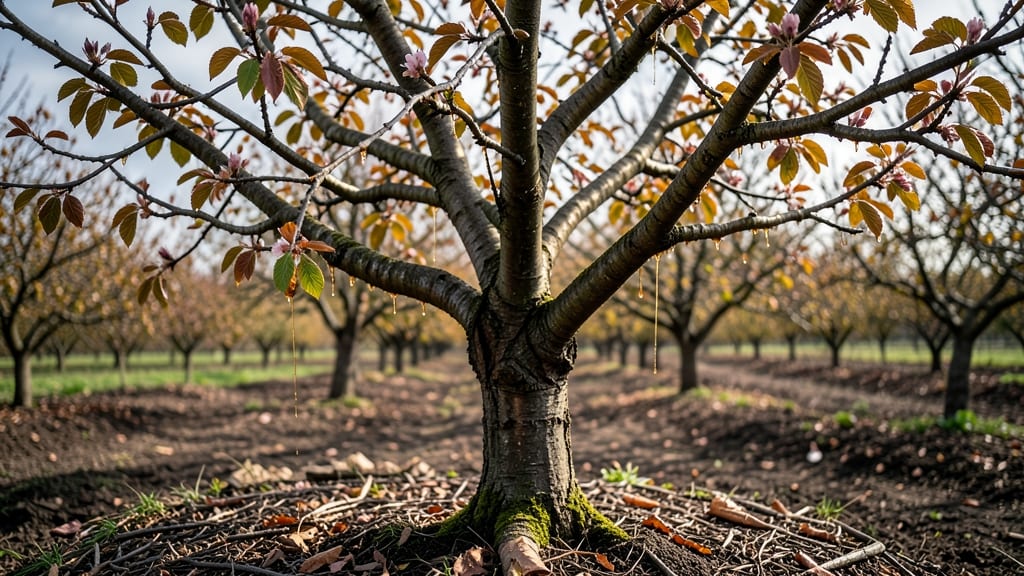
Your cherry tree’s sap dripping is a clear SOS from the tree—whether it’s stressed, injured, or fighting off pests. 🌳 I’ve seen sticky sidewalks and ruined cars from this mess, but the right fixes can stop it fast, often within weeks.
The key is identifying the exact cause first, because pruning won’t help if it’s a fungal infection or borers chewing away.
Most sap issues stem from three culprits: overwatering (which weakens roots), insect damage (like borers tunneling under bark), or physical stress (from frost cracks or improper pruning cuts). I once thought my tree was dying until I spotted tiny holes—turns out, it was just a borer infestation.
The fix? A simple drill bit and pesticide treatment saved the day.
You’ll tackle this in three steps: clean up the mess (remove sticky sap with soapy water), treat the root cause (fungicide for infections, pruning for weak branches), and prevent future outbreaks (mulch properly, avoid overwatering). Within 2-4 weeks, you’ll see new growth—and no more sticky surprises.
Works for sweet, tart, and ornamental cherries alike, whether your tree is young or mature. Let’s get that sap under control before it ruins your patio furniture.
Root Causes Of Sap Bleeding
Understanding why your cherry tree is dripping sap starts with recognizing that this phenomenon—often called sap bleeding or gum bleeding—is a natural (but sometimes excessive) response to internal pressures and environmental triggers. While a little sap is normal, heavy dripping can signal underlying stress or damage.
Below, we break down the three primary causes, complete with scientific explanations and actionable insights to help you address the issue.
Cherry trees (especially young or newly planted ones) are sensitive to rapid temperature changes, particularly during late winter or early spring. When warm days follow a hard frost, the tree’s vascular system (xylem and phloem) can become disrupted in a few key ways:
- Frost Cracking: Water inside the tree expands when frozen, creating microscopic cracks in the bark and wood. When temperatures rise, sap is forced out through these fissures, leading to dripping.
This is most common in temperate climates where freeze-thaw cycles are frequent. - Delayed Sap Flow: Cherry trees rely on root pressure (built up over winter) to push sap upward in spring.
If frost damages roots or trunk tissue, the tree struggles to regulate this pressure, causing excessive bleeding from wounds or weak points.
💡 Pro Tip: If your tree is dripping heavily after a freeze, inspect the trunk and scaffold branches for vertical cracks (often filled with dark, oozing sap). Seal minor cracks with pruning sealant (like Tanglefoot Tree Wound Pruning Seal) to prevent bacterial entry.
A cherry tree’s roots are its lifeline, and when they’re under stress—whether from poor drainage, compaction, or nutrient deficiencies—the tree may respond by overproducing sap as a protective or compensatory mechanism.
- Compacted or Waterlogged Soil: Roots deprived of oxygen (common in clay-heavy or poorly drained soils) can’t absorb water and nutrients efficiently.
This forces the tree to pump sap through alternative pathways, often leaking from the trunk or branches. - Nitrogen Overload: While nitrogen is essential for growth, excessive fertilizer (especially in early spring) can disrupt the tree’s balance.
Too much nitrogen increases sap production but weakens the tree’s structural integrity, leading to drips. - Transplant Shock: Recently planted cherry trees may experience root pruning (when roots are trimmed during transplanting). This can trigger a stress response, causing sap to bleed from the trunk or graft union.
✨ Actionable Fix:
- Test your soil (a simple DIY kit from a garden center works) to check pH and nutrient levels. Cherry trees thrive in slightly acidic soil (pH 6.0–6.5).
- Aerate compacted soil with a garden fork or install drainage tiles if waterlogging is an issue.
- Avoid heavy fertilization in early spring—wait until new growth appears (typically late spring).
While sap dripping alone doesn’t confirm pests or disease, it’s often a symptom of underlying damage. Here’s how insects and pathogens contribute:
- Sap-Sucking Insects: Pests like scale insects, aphids, or borers insert their mouthparts into the bark, creating wounds that trigger sap flow.
Infested trees may also show: - Sticky residue (honeydew) on leaves or branches. - Wilting or yellowing leaves (from nutrient theft). - Bacterial Cankers: Bacteria like Pseudomonas syringae can infect cherry trees, causing oozing, dark sap and sunken, dead areas on the bark.
This is more common in wet or humid conditions. - Fungal Decay: Fungi like Armillaria (honey fungus) can weaken the tree’s vascular system, leading to chronic sap leakage and structural decline.
🔥 Warning Sign: If sap is thick, dark, and foul-smelling, or accompanied by dieback in branches, your tree may have a serious infection. Act fast—prune infected branches below the canker (using sterilized tools) and treat with copper-based fungicides.
📊 Key Takeaway: Most sap dripping is manageable if caught early. Start by ruling out environmental triggers (frost, soil issues), then inspect for pests or disease.
Remember: A little sap is normal, but heavy, persistent dripping is your tree’s distress signal. Address the root cause (literally!) to restore balance.
Quick Fixes for Sap Leaks
Excessive sap dripping from your cherry tree can be frustrating, but the good news is that most causes have straightforward solutions. Below, we’ve mapped out practical fixes for each common trigger—plus prevention tips to keep your tree healthy and your driveway clean.
Fix: Adjust your watering habits and improve soil aeration.
- Step 1: Check the Soil 👨🌾 Dig a small hole (6 inches deep) near the tree’s base. If the soil feels soggy or smells like wet socks, you’re overwatering. Cherry trees prefer well-draining soil—amend heavy clay with compost or sand.
- Step 2: Water Deeply, Less Often 💧 Instead of daily light sprinkles, water deeply 1-2 times per week (adjust for heat/drought). Use a soaker hose to deliver moisture slowly to the roots.
- Step 3: Improve Drainage 🏗️ If your tree sits in a low spot, create a slight slope away from the trunk using topsoil. For container-grown cherry trees, ensure pots have drainage holes and elevate them slightly.
💡 Pro Tip: Mulch around the base (but keep it 3–4 inches away from the trunk) to retain moisture without suffocating roots.
Fix: Seal wounds and prune strategically to minimize stress.
- Step 1: Clean Cuts Properly ✂️ If sap follows pruning, ensure cuts are smooth and angled (avoid jagged tears). Use sterilized pruners (wipe with rubbing alcohol) to prevent disease.
- Step 2: Apply Tree Wound Sealant 🛡️ For larger cuts, coat with pruning sealant (like Tanglefoot Tree Wound Pruning Seal) to protect against pests and infection. Skip this for small cuts—air-drying is best!
- Step 3: Prune at the Right Time ⏰ Avoid heavy pruning in late spring (when sap flows most). Stick to dormant season (winter) or early spring for major trims.
🔥 Warning: Never paint entire trunks—this traps moisture and encourages rot.
Fix: Identify the culprit and treat it before it spreads.
| Symptom | Likely Cause | Solution |
|---|---|---|
| Sticky residue + tiny bugs | Aphids/Scale Insects | Spray with neem oil or insecticidal soap. Repeat weekly for 2–3 weeks. |
| Oozing brown sap | Bacterial canker | Remove infected branches below the wound, sterilize tools, and apply copper fungicide. |
| Sap + sawdust-like frass | Borers | Drill holes into the trunk, inject beneficial nematodes, or use systemic insecticide. |
| Fungal spots + sap | Powdery mildew or anthracnose | Prune affected leaves, apply baking soda spray (1 tsp/baking soda + 1 quart water), and improve airflow. |
🌡️ Prevention: Keep your tree stress-free—water consistently, fertilize in early spring, and avoid compacting soil near the roots.
Fix: Protect your tree from shock with simple adjustments.
- Step 1: Mulch Thickly 🍂 Apply 3–4 inches of mulch (wood chips or straw) around the base to insulate roots from temperature extremes.
- Step 2: Water in Heatwaves 💦 During sudden heat, deep-water the tree every 2–3 days to prevent stress-induced sap flow.
- Step 3: Shield from Cold Snaps ❄️ For young trees, wrap the trunk with tree guard or burlap in winter. Avoid plastic—it traps moisture.
✨ Bonus: A light shade cloth (30–50%) during scorching summers can reduce stress.
If sap persists despite your efforts, consult an arborist. Chronic leaks may signal deep root rot, advanced disease, or structural damage that requires professional tools (like air spading to inspect roots).
Remember: Patience is key—some fixes (like drainage improvements) take weeks to show results. Monitor your tree’s response and adjust as needed! 🌿
Frequently asked questions about cherry tree sap dripping
Why does my cherry tree only drip sap in spring?
Spring sap flow is completely normal for cherry trees—it’s their way of pushing nutrients upward after winter dormancy. However, excessive dripping (especially if sticky or dark) often signals frost damage or root stress from thawing. Check for vertical cracks in the trunk or branches, which are common after freeze-thaw cycles.
Is dripping sap harmful to my cherry tree?
Occasional sap flow isn’t dangerous, but heavy or persistent dripping can weaken the tree over time. The real risk comes from what’s causing it—pests (like borers), fungal infections, or deep root damage. If sap is dark, foul-smelling, or accompanied by wilting leaves, act fast to diagnose and treat the underlying issue.
How do I clean up sap without damaging my tree?
Use a mild soap solution (1 tsp dish soap + 1 gallon warm water) and a soft brush to gently scrub surfaces. For stubborn residue, apply mineral oil (food-grade) to paved areas—it dissolves sap without chemicals. Avoid harsh cleaners like bleach, which can harm the tree’s bark or nearby plants.
Can I prune my cherry tree to stop sap dripping?
Pruning won’t fix the root cause of sap flow, but it can help if the issue stems from damaged or dead branches. Remove only sick or broken limbs (cut just outside the branch collar) and seal larger wounds with pruning sealant. Avoid heavy pruning in late spring—this is when sap flows most actively.
Will fertilizing my cherry tree stop the sap?
Not necessarily—and it might make it worse! Over-fertilizing (especially with nitrogen) can increase sap production while weakening the tree’s defenses. Instead, focus on balanced soil health: test your soil’s pH (ideal: 6.0–6.5), and use a slow-release fertilizer in early spring only if nutrient deficiencies are confirmed.