
Pests
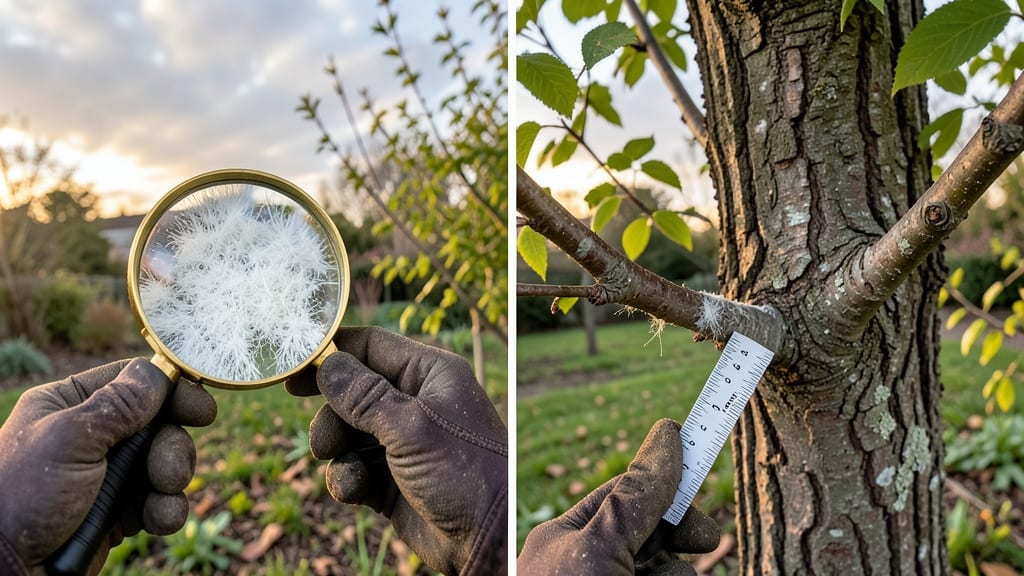
That sticky white stuff on tree branches isn’t just unsightly—it’s a sign your sugar maple is under siege. 🌳 Whether it’s sap, mold, or insects, ignoring it lets the problem spread, weakening your tree’s health and turning your yard into a science experiment gone wrong.
The good news? Most causes have simple fixes, and you can tackle them without heavy-duty chemicals.
Sap oozing from branches (especially in spring) is often harmless but can attract pests like ants or wasps. Powdery mildew or sooty mold create that fuzzy white layer, while scale insects leave behind a waxy, cottony residue.
Lichen, though harmless, can still make your tree look neglected. The key is identifying the culprit first—scratch the white stuff with your fingernail to see if it’s flaky (mold), sticky (sap), or crusty (scale).
For sap, seal cuts with pruning paint and monitor for pests. Scrub mold with a mix of 1 tablespoon baking soda + 1 quart water + a drop of dish soap, and repeat every 7–10 days.
Scale insects need horticultural oil or insecticidal soap, applied when branches are dry. Prevention? Keep your tree healthy with proper watering and mulching—stressed trees attract more problems.
When in doubt, consult a certified arborist. Some issues, like fungal infections, need professional treatment before they become irreversible. But for most gardeners, a little elbow grease and the right mix of solutions will restore your tree’s pride—and your yard’s curb appeal—in no time.
The Real Culprits Behind Sap Buildup
When you spot that mysterious white substance coating your sugar maple branches, it’s rarely a sign of magic—it’s science (and sometimes, a little chaos). Understanding the root causes helps you decide whether to intervene or simply admire nature’s quirks. Here’s why your tree might be producing this sticky, sugary spectacle.
If the white stuff looks fluffy, powdery, or mold-like, you’re likely dealing with fungal spores. These microscopic organisms thrive in moist conditions and can appear as a white, fuzzy coating on branches, especially after rain or high humidity.
- How it happens: Fungi release spores into the air, which land on tree surfaces. When conditions are damp, they germinate and create a visible film. Common culprits include Oidium (powdery mildew) or Monochaetia (a saprophytic fungus that feeds on decaying matter).
- Why sugar maples? Their sap-rich bark provides an ideal nutrient source for fungi. Stress from drought, poor soil, or injury can make trees more susceptible.
- Actionable tip: 🌡️ Prune affected branches in dry weather to improve airflow and reduce humidity. Apply copper-based fungicides (like copper soap) if the infestation spreads.
Sugar maples are famous for their sap, but when it oozes excessively and hardens into white, crusty deposits, it’s a sign of sap exudation. This often happens due to:
| Cause | Why It Triggers Sap Flow | What It Looks Like |
|---|---|---|
| Bacterial or fungal infections | Pathogens like Pseudomonas syringae (a bacterial leaf spot) or Nectria (a fungal canker) create wounds that force sap to leak. | Sticky, white-to-tan ooze that hardens into crusts or strings. |
| Physical damage | Cuts from pruning tools, animal scratches, or hail can rupture the bark, causing sap to seep out. | Gum-like droplets that dry into chalky deposits. |
| Environmental stress | Drought, extreme heat, or frost can stress the tree, leading to abnormal sap flow as a survival mechanism. | Thin, watery streaks that crystallize into white streaks. |
| Sap-sucking insects | Pests like sap-sucking beetles or scale insects pierce the bark, creating entry points for sap to escape. | White, waxy residue mixed with insect frass (droppings). |
💡 Pro Tip: If sap exudation is localized, clean wounds with a 10% bleach solution (1 part bleach to 9 parts water) to prevent infection. For widespread issues, consult an arborist to diagnose the underlying problem.
Not all white stuff is harmful—some of it is just lichen or algae hitching a ride on your tree. These organisms aren’t parasitic; they’re symbiotic, meaning they rely on the tree for moisture and nutrients but don’t typically harm it.
- How it happens:
- Lichen is a mix of fungi and algae/cyanobacteria. It thrives in humid, shaded conditions and appears as crusty, powdery, or leafy patches.
- Algae grows in damp, low-light areas, forming slimy, greenish-white films that dry into chalky residues.
- Why it’s not a crisis: These organisms are indicators of clean air (they absorb pollutants) and rarely harm healthy trees. However, excessive growth can signal poor air circulation or high moisture.
- When to act: 🔪 Only remove lichen/algae if it’s disfiguring the tree or spreading to desirable plants. Use a soft brush and water—never scrape with tools, as this can damage bark.
Some white deposits are a sign of insect activity, particularly from sap-sucking or sap-feeding pests. Here’s how to spot them:
- Scale insects:
- Appear as white, waxy bumps on branches.
- Secrete honeydew (a sticky sap), which hardens into white, crusty residue.
- Weakens trees by blocking nutrients.
- Mealybugs:
- Look like cotton-like clusters in leaf axils or branches.
- Produce honeydew that attracts sooty mold (a black, fuzzy fungus).
- Sap-sucking beetles:
- Leave small holes in bark, causing sap to ooze and harden.
- Often found in late winter/early spring.
✨ Solution: Treat infestations with insecticidal soap or neem oil for light cases. For severe outbreaks, consider horticultural oil sprays applied in dormant season (late fall/winter).
Quick Fixes for Tree Branch Woes
Got that mysterious white stuff coating your tree branches? Don’t panic—most causes have simple, effective solutions. Below, we’ve broken down the most common culprits and the best ways to tackle them, from quick fixes to long-term prevention.
---
If the white stuff is fuzzy or powdery (like cotton candy), it’s likely mold or mildew—common in damp, shaded areas. Here’s how to clean it up and keep it from coming back:
#### 🧹 Clean Up the Mess - Garden hose spray: Use a strong stream of water to blast off the growth.
A pressure washer (low setting) works too—just avoid damaging bark. - Baking soda solution: Mix 1 tbsp baking soda + 1 gallon water + a few drops of dish soap in a spray bottle.
Lightly mist the branches (don’t soak them) and let it sit for 10 minutes before rinsing. - Vinegar spray (for non-living branches): A 1:1 vinegar-water mix kills mold spores. Spray, wait 30 minutes, then rinse. Skip this on living trees—vinegar can harm foliage.
#### 🌧️ Prevent Future Fungus - Improve airflow: Trim overgrown branches to let sunlight and air circulate. - Water at the base: Avoid wetting foliage or branches—water the soil, not the leaves. - Clean up debris: Remove fallen leaves, twigs, or fruit from under the tree (fungus loves hiding there).
---
Tiny insects like mealybugs or scale excrete sticky honeydew, which turns white as sooty mold grows on it. Here’s how to evict them:
#### 💦 Blast Them Away - Hose them off: Use a strong spray of water (mealybugs hate this!). Repeat every few days for a week. - Neem oil spray: Mix 1 tsp neem oil + 1 tsp mild soap + 1 quart water.
Spray all surfaces (top and bottom of leaves, crevices). Reapply every 5–7 days for 2–3 weeks. - Insecticidal soap: Follow package instructions—spray directly on pests (not just the white stuff).
#### 🛡️ Stop the Invasion - Encourage predators: Ladybugs and lacewings love eating mealybugs.
Plant dill, fennel, or marigolds nearby to attract them. - Prune infested branches: Cut off heavily infected parts and dispose of them in a sealed bag (not your compost). - Check new plants: Quarantine new trees or branches for 2 weeks before adding them to your yard.
---
If your tree is bleeding sap (especially in early spring), it’s likely sap flow—common in sugar maples. While harmless, it’s messy. Here’s how to manage it:
#### 🧽 Clean Up Safely - Scrape it off: Use a plastic scraper or putty knife to remove sap buildup. Avoid metal tools—sap can stain! - Soap & water: A mild dish soap solution (1 tbsp soap per gallon of water) helps break down sap.
Spray, wait 10 minutes, then rinse. - Commercial degreaser: For stubborn sap, try citrus-based cleaners (like Goof Off) on a cloth. Test on a small area first.
#### 🌳 Reduce Future Sap Leaks - Prune in late winter: Trim branches before heavy sap flow (usually February–March). - Seal wounds: If you prune, use pruning sealant on cuts larger than ½ inch to minimize sap loss. - Water deeply: Deep watering (1–2 inches per week) helps trees regulate sap flow naturally.
---
In cold climates, salt spray or frost can leave a white, chalky residue on branches. Here’s how to remove it:
#### 🧼 Gentle Cleaning - Damp cloth wipe-down: Use a soft cloth dampened with water to wipe branches. - Mild vinegar rinse: For salt buildup, spray with equal parts water and vinegar, then rinse thoroughly. - Avoid harsh chemicals: Bleach or ammonia can burn bark—stick to mild, plant-safe cleaners.
#### 🌡️ Protect Against Future Damage - Shade cloth: If salt spray is a recurring issue (near roads), drape lightweight shade cloth over young trees in winter. - Water before frost: Deep watering before freezing temps helps trees resist salt stress. - Rinse after salt treatments: If you use road salt near trees, rinse branches with water after snow melts.
---
If the white stuff is spreading rapidly, your tree shows wilting, yellowing leaves, or large patches of dead bark, it’s time to consult an arborist. Fungal diseases like anthracnose or bacterial infections need professional treatment.
--- 💡 Pro Tip: Always test a small area first before applying any cleaner—some trees are sensitive! And remember: Prevention is key—regular checks and proper care keep your trees happy and healthy. 🌳✨
Frequently asked questions
Is white stuff on tree branches always harmful?
Not always! While fungal growth (like powdery mildew) or insect activity (such as scale) can harm trees, some white substances are harmless. Lichen and algae are common examples—they use trees for support but don’t damage them. However, if the white substance is sticky, spreads quickly, or appears after physical damage, it may signal a problem needing attention.
How do I tell if the white stuff is mold vs. sap vs. insects?
Perform a simple test: scratch the white substance with your fingernail. If it flakes off easily, it’s likely mold. If it’s sticky and oozes, it’s probably tree sap. For insects, look for small bumps (scale) or cottony clusters (mealybugs) mixed with the white residue. A magnifying glass can help spot tiny pests.
Can I use bleach to clean white mold off tree branches?
Never use chlorine bleach on living trees—it can burn bark and harm the tree. For mold, try a baking soda solution (1 tbsp per gallon of water) or a copper fungicide. Apply with a spray bottle on a dry day. If the mold is severe, consider hiring an arborist to assess the tree’s health first. Always test a small area first.
Will removing the white stuff hurt my tree?
Removing harmless substances like lichen or algae won’t hurt your tree, but avoid aggressive scrubbing—it can damage bark. For mold or insect-related white deposits, gentle cleaning (like a hose spray or neem oil treatment) is safe. However, if the tree is already stressed (yellow leaves, wilting), focus on improving its health before cleaning. Healthy trees recover faster!
When should I call an arborist instead of DIY-ing?
Consult a professional if the white substance is spreading rapidly, the tree shows signs of decline (large dead patches, oozing sap, or wilting), or you suspect a serious fungal/bacterial infection. Also call if the tree is large or located near structures—removing pests or mold from tall trees can be dangerous without proper equipment.