
Trees
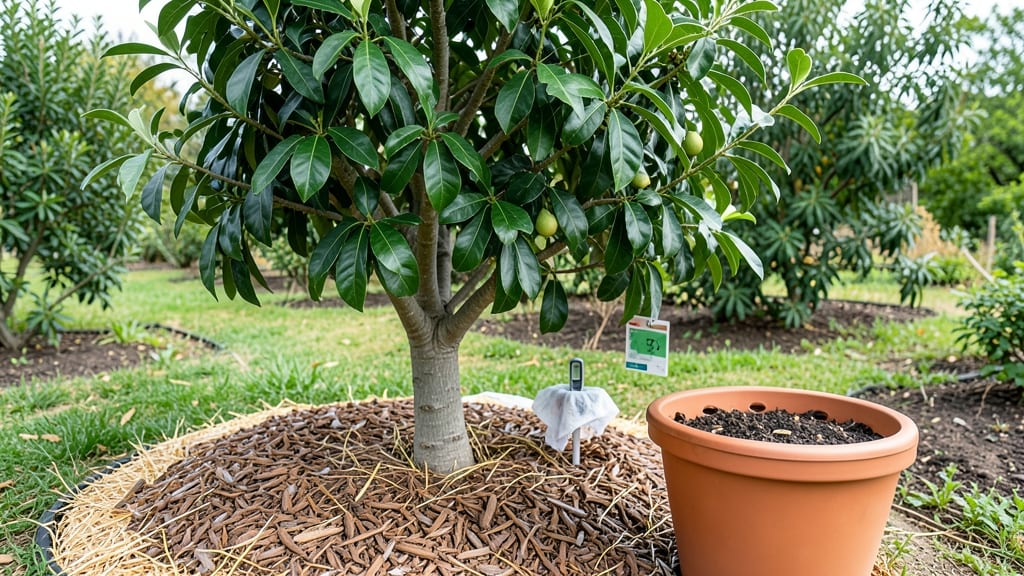
Cold hardy avocado trees in Zone 7 thrive with varieties like 'Mexicola' and 'Wurtz,' which tolerate brief dips to 15°F (-9°C) when mature. Plant in well-drained soil, protect young trees from frost, and use mulch to insulate roots during winter months. Container growing is also an effective option for colder climates.
Growing avocados in Zone 7's cooler climate isn't impossible—it just requires selecting the right cold-resistant varieties and providing proper care. 🌱 These hardier trees have evolved thicker leaves and deeper root systems that help them withstand occasional frost, unlike their tropical cousins.
The key is protecting young plants during their first few winters, as mature trees develop better resilience over time. I've found that container-grown trees offer extra flexibility, letting you move them indoors or to sheltered spots when temperatures drop unexpectedly.
For best results, focus on well-draining soil and consistent moisture without waterlogging. A thick layer of organic mulch acts like a thermal blanket, keeping roots insulated during cold snaps.
While these trees can handle brief cold periods, prolonged frost will still damage them—so having a frost cloth or row cover on hand makes all the difference. With the right approach, you can enjoy homegrown avocados even in Zone 7's challenging climate.
💡 In This Article
- How Cold Hardy Avocado Varieties Survive Zone 7 Winters
- Step-by-Step Guide to Growing Avocados in Zone 7 Gardens
How cold hardy avocado varieties survive Zone 7 winters
The secret to cold hardiness in avocados lies in their biological adaptations. Unlike tropical varieties that perish at 28°F (-2°C), cold-tolerant types like 'Mexicola' develop thicker, waxier leaves that reduce water loss and create a protective barrier against freezing temperatures.
Their roots grow deeper and more extensive, anchoring the tree and accessing moisture from lower soil layers where temperatures stay more stable. 🌿 These adaptations allow them to survive brief dips to 15°F (-9°C) when mature, though younger trees remain vulnerable.
Another key mechanism is metabolic slowdown during winter. Cold-hardy avocados enter a partial dormancy, reducing growth and energy consumption while still maintaining essential functions. This dormancy helps them conserve resources during colder months, similar to how deciduous trees shed leaves to survive winter.
However, unlike many temperate plants, avocados don't completely shut down—they maintain a low-level metabolic activity that keeps them alive through frost events. Their chilling requirements are minimal compared to fruit trees like apples or cherries, which need hundreds of hours below 45°F (7°C).
The real difference between cold-hardy and tropical avocados comes down to their genetic origins. Mexican varieties evolved in higher elevations where nighttime temperatures can drop significantly, while Guatemalan types developed in warmer lowlands.
This evolutionary history explains why 'Wurtz' and 'Mexicola' handle Zone 7 winters better—they've adapted to survive temperature fluctuations that would kill their tropical cousins. The trade-off? These hardier varieties often produce smaller fruit with less oil content, but the trade-off is worth it for northern growers.
Frost damage occurs when ice crystals form inside plant cells, rupturing their membranes—a process called "freeze dehydration." Cold-hardy avocados minimize this damage through a natural antifreeze compound called "dehydrin," which lowers the freezing point of their cell fluids. However, this protection isn't absolute.
Prolonged exposure to 20°F (-7°C) or below will still cause significant damage, which is why mature trees (typically 5+ years old) fare better than young seedlings. Their established root systems and thicker bark provide additional insulation against temperature extremes.
One often-overlooked factor is soil temperature. Avocado roots are particularly sensitive to cold ground temperatures, which can occur even when air temperatures remain above freezing. This is why mulching with 4-6 inches of organic material becomes crucial—it creates an insulating layer that maintains root-zone temperatures 5-10°F warmer than ambient air.
In container growing, this effect is even more pronounced because pots provide excellent insulation when wrapped in burlap or covered with frost blankets.
For gardeners in Zone 7, understanding these biological adaptations helps explain why some avocado trees thrive while others fail. The cold-hardy varieties aren't just "tougher"—they've evolved sophisticated survival mechanisms that make them uniquely suited to northern climates.
With proper care, these trees can produce fruit year after year, proving that avocados aren't just a tropical luxury but a viable crop for patient gardeners willing to work with their natural hardiness traits. 🌱