
Container Gardens
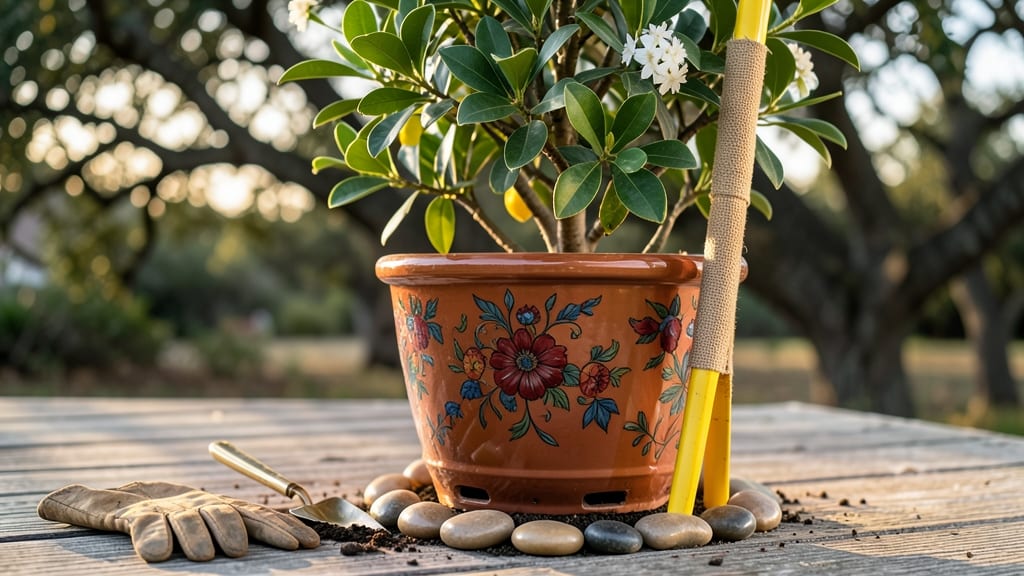
Growing fruit trees in fruit tree container gardening lets you harvest peaches, plums, and cherries even in a tiny yard. 🌱 I planted my first dwarf tree in a 5-gallon pot last spring, and by July, it was already flowering—proof that container fruit trees aren't just possible, they're fast.
The secret lies in dwarf varieties bred for small spaces: 'Bonanza' peach, 'Flavor Grenade' apricot, or 'Sugar Baby' plum all produce real fruit in just 2 years with the right care.
You'll need containers with drainage holes, lightweight potting mix, and a sunny spot that gets at least 6-8 hours of sunlight daily.
What you end up with is fresh fruit you grew yourself, no backyard required. The trees stay compact, the harvests are reliable, and you avoid gophers, deer, and other pests that plague in-ground plantings. Plus, you can move them to optimize sunlight or protect from frost.
Perfect for balconies, patios, or even sunny windowsills. Here's how to set up your first container fruit tree for success!
📚 In This Guide
- What you need
- Instructions
- Tips and common mistakes
- Wrapping up and next steps
What you need
- ● Container: 5-gallon or larger pot (minimum 18" deep for dwarf fruit trees). Choose one with drainage holes and a saucer. Pro tip: 💡 Opt for lightweight materials like fabric grow bags or plastic for easy mobility.
- ● Dwarf fruit tree: Choose a variety like Columnar Apple, Patio Pear, or Dwarf Citrus (check local climate zones for suitability).
- ● High-quality potting mix: 3-4 cubic feet per tree. Use a blend designed for fruit trees or mix 50% potting soil + 50% compost.
- ● Slow-release fertilizer: 10-10-10 or organic options like bone meal or worm castings. Follow package rates for application.
- ● Mulch: 2-3 inches of organic mulch (e.g., straw or wood chips) to retain moisture and regulate soil temperature.
- ● Drip irrigation or watering can: Ensure consistent moisture without overwatering.
- ● Support stake or trellis: For wind-prone areas or heavy fruit loads.
- ● Pruning shears: Sharp, clean shears for shaping and maintaining your tree.
- ● Soil moisture meter: To monitor watering needs accurately.
- ● Pest control: Neem oil or insecticidal soap for organic pest management.
- ● Grow lights (seasonal): If growing indoors or in low-light areas.
Step-by-step instructions for growing dwarf fruit trees in containers
Here's how I grow productive, space-saving fruit trees that bear fruit in just two years—no yard required.
🪴 Step 1: Select the Right Dwarf Variety and Container
Start with a dwarf rootstock variety like 'Patio' peach, 'Columnar' apple, or 'Mini Everbearing' cherry. These are bred to stay small but produce full-sized fruit. Choose a container at least 18-24 inches deep with drainage holes—fruit trees need room for roots to spread and won’t tolerate soggy feet.
I opt for fabric grow bags because they prevent root circling and allow for easy repotting later. If using traditional pots, select one with a minimum 12-inch diameter—smaller containers stunt growth and reduce fruit production. Avoid decorative pots without drainage; they’ll lead to root rot within weeks.
🌱 Step 2: Prepare Soil and Plant Your Tree
Fill the container with a mix of 60% high-quality potting soil, 20% compost, and 20% perlite or coarse sand to improve drainage. Avoid garden soil—it compacts and suffocates roots. I like to add a handful of slow-release fertilizer (10-10-10 ratio) to the bottom layer for a nutrient boost.
Remove the tree from its nursery pot and loosen the roots gently with your fingers. Place it in the container so the graft union (the bump near the base) sits 1-2 inches above the soil line. This prevents the union from being buried, which can cause the tree to revert to a less desirable rootstock type. Backfill with your soil mix, pressing lightly to eliminate air pockets.
☀️ Step 3: Position for Sunlight and Water Properly
Fruit trees need 6-8 hours of direct sunlight daily. Place your container in the sunniest spot available—south or west-facing windowsills or patios work best. If indoors, supplement with a grow light for 14-16 hours per day to mimic natural light cycles. Without enough light, trees grow leggy and produce little to no fruit.
Water deeply 2-3 times per week, ensuring the soil dries out slightly between waterings. Stick your finger 1-2 inches into the soil—if it feels dry, it’s time to water. Overwatering is the fastest way to kill container-grown fruit trees, so always check for drainage holes and empty saucers after watering. Mulch the surface with 1-2 inches of straw or wood chips to retain moisture and regulate soil temperature.
✂️ Step 4: Prune and Fertilize for Maximum Fruit Production
Prune your tree in late winter or early spring to remove any dead, crossing, or crowded branches. I focus on opening the center of the tree to allow sunlight and air circulation—this prevents disease and encourages fruit development. Use clean, sharp pruners and make cuts just outside the branch collar to promote quick healing.
Fertilize every 4-6 weeks during the growing season with a balanced, water-soluble fertilizer. In the first year, I use half-strength solution to avoid burning young roots. Watch for signs of nutrient deficiency, like yellowing leaves or stunted growth, and adjust accordingly. Dwarf fruit trees are heavy feeders, so consistent fertilization is key to getting those first fruits in just two years.
⏰ Step 5: Overwinter and Prepare for Next Season
As temperatures drop below 40°F, move your container indoors or to a sheltered location like a garage or unheated basement. Wrap the pot in bubble wrap or insulation to protect roots from freezing. Reduce watering to once every 2-3 weeks and avoid fertilizing—your tree is dormant and doesn’t need extra nutrients.
In early spring, inspect your tree for any winter damage and prune out any dead or broken branches. This is also the time to repot if your tree has outgrown its container. Choose a pot that’s only 2-3 inches larger in diameter—a sudden jump in size can shock the tree. Refresh the soil mix and resume your regular watering and fertilizing schedule to kickstart the growing season.
Tips & tricks for perfect fruit tree container gardening
Here's what I've learned after growing container fruit trees for years—these tricks will help you avoid common pitfalls and get the best results.
Container Selection: Fabric grow bags are my top recommendation because they prevent root circling and allow for easy repotting. If you must use traditional pots, avoid decorative ones without drainage—they're a root rot waiting to happen. I've seen trees thrive in 18-inch deep containers, but remember, deeper is always better for root development. The 12-inch diameter minimum isn't just a suggestion; smaller pots will stunt your tree's growth and fruit production.
Lighting Strategy: The 6-8 hours of direct sunlight requirement is non-negotiable for fruit production. If you're growing indoors, invest in a quality grow light that provides 14-16 hours of light daily. I use LED grow lights because they're energy-efficient and mimic natural sunlight. Place your tree within 6-12 inches of the light source for best results—closer for seedlings, further as the tree matures. Without proper light, your tree will grow leggy and produce little to no fruit.
Soil Mix Secrets: That 60-20-20 soil mix ratio (potting soil, compost, perlite/sand) is crucial for drainage and aeration. I always sift my potting soil to break up any clumps before mixing. For the compost, I use well-aged, worm castings for maximum nutrient content. The perlite or coarse sand prevents compaction, which is especially important in containers where roots can't spread naturally. Don't skip the slow-release fertilizer at the bottom—it gives your tree a nutrient boost right when it needs it most.
Winter Care: When temperatures drop below 40°F, don't just move your tree indoors—prepare it properly. I wrap the container in bubble wrap first, then place it in a cardboard box with insulation. This creates a buffer zone that protects roots from temperature fluctuations. The 2-3 week watering schedule during dormancy is crucial—overwatering can lead to root rot even in cold conditions. I also move the tree to a location with some light but no direct heat sources, like near a north-facing window.
Pro Tips for Fruit Tree Container Gardening
- Here's what I've learned after growing container fruit trees for years—these tricks will help you avoid common pitfal...
- Container Selection: Fabric grow bags are my top recommendation because they prevent root circling and allow for easy...
- Lighting Strategy: The 6-8 hours of direct sunlight requirement is non-negotiable for fruit production. If you're gro...
Frequently asked questions
Got questions about growing fruit trees in containers? You’re not alone! Here are some of the most common queries—and their straightforward answers—to help you get started with confidence.
What’s the best dwarf fruit tree variety for beginners?
Start with dwarf citrus (like ‘Calamondin’ or ‘Improved Meyer Lemon’), apple (e.g., ‘Columnar’ or ‘Dwarf Fuji’), or fig (like ‘Little Miss Figgy’). These varieties are hardy, fast-growing, and perfect for containers. Look for “semi-dwarf” or “columnar” labels—they’re bred to stay compact while still producing fruit!
How long does it really take for a container-grown fruit tree to bear fruit?
With the right care, many dwarf varieties (like dwarf citrus or peach trees) can produce fruit in 1–2 years—sometimes even faster! Patience is key, but pruning, sunlight (6+ hours/day), and regular fertilizing (like citrus-specific or fruit-tree blends) speed up fruiting. Pro tip: Buy a 1–2 year old tree from a nursery for a head start!
Can I grow a fruit tree in a small balcony or apartment?
Opt for 5–15 gallon containers (depending on the tree) and place them in south-facing spots or under grow lights (12–16 hours/day in winter). Dwarf citrus, cherry, or even strawberry trees thrive in tight spaces. Just ensure:
- Good drainage (no soggy roots!)
- Regular watering (containers dry out fast)
- Portable pots (for winter protection if needed)
Why isn’t my container fruit tree producing fruit—even after years?
Common culprits include:
- Not enough sunlight (move it to a sunnier spot or supplement with grow lights).
- Poor pollination (hand-pollinate with a brush if needed, or plant two compatible trees).
- Over/under-fertilizing (use a balanced fruit-tree fertilizer in spring/summer).
- Root-bound stress (repot every 2–3 years in slightly larger containers).
If the tree is still young (<3 years), give it time—some varieties (like dwarf apples) need a few more seasons to mature.
How do I protect my container fruit tree in winter?
Most dwarf fruit trees (except citrus) can handle light frosts, but extreme cold (<20°F) requires extra care:
- Move pots to a sheltered spot (garage, patio, or against a south-facing wall).
- Insulate roots with bubble wrap or a thick layer of mulch.
- Cover the tree with frost cloth if temps drop below freezing (remove during the day).
Citrus trees? Bring them indoors near a sunny window or grow lights until spring!
Wrapping up and next steps
Container gardening with dwarf fruit trees is a rewarding way to enjoy fresh, homegrown produce—even in small spaces! 🌱 From apple to peach, these compact varieties prove that big flavors don’t require big yards.
With the right supplies, patience, and care, you’ll be harvesting fruit in just two years.
Ready to get started? Pick your favorite dwarf variety, gather your containers, and begin your journey today—your taste buds (and neighbors!) will thank you. 🍏✨ Happy planting!