
Propagation
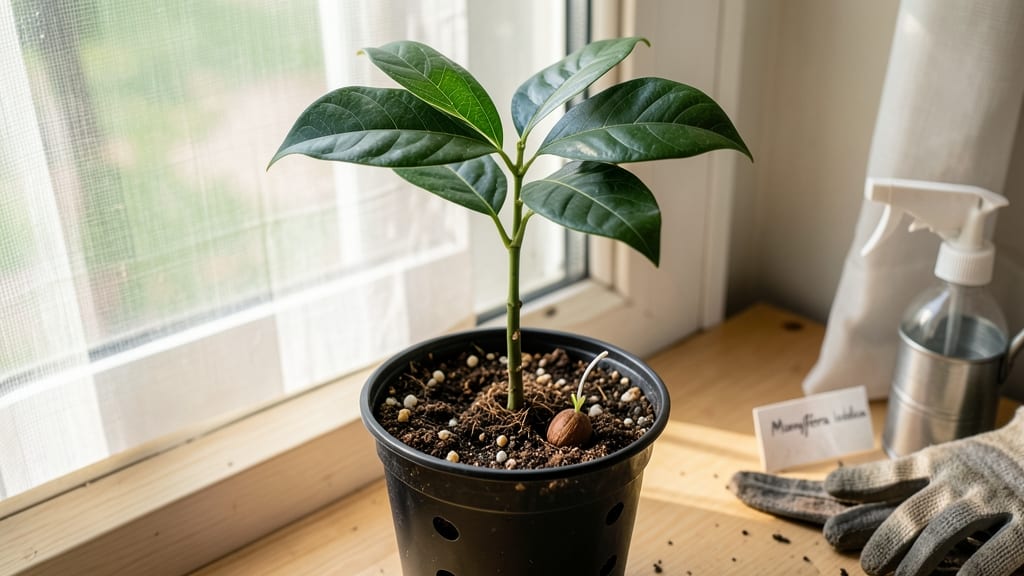
Growing a mango tree from a pit is easier than you think—and the sweet reward makes every step worth it. 🌱 I’ve started three from grocery store seeds, and two are now thriving in pots, their glossy leaves promising future harvests.
The key? Patience (lots of it) and the right conditions to coax that stubborn seed into sprouting.
You’ll need a ripe mango, a warm spot (mimosas love heat), and a little creativity—no fancy tools required. The seed takes 3-6 weeks to crack open, and germination can be finicky, but once that first shoot appears, you’re on your way.
Even in cooler climates, you can grow it in containers and bring it indoors during winter.
By year three, you’ll see real growth—3-5 feet tall with branches reaching for sunlight. The tree will flower (and maybe even fruit) if you’re lucky, though store-bought seeds often take 5-10 years to bear.
The journey is the joy: watching it grow from a tiny pit to a lush tropical plant.
This method works best in zones 10-11, but container growers everywhere can try. Just remember: slow and steady wins the race. Ready to start your own mango adventure?
📚 In This Guide
- What you need
- Instructions
- Tips and common mistakes
- Wrapping up and next steps
What you need
- ● Fresh mango pit: 1 (preferably from a ripe, organic mango—avoid store-bought pits treated to prevent sprouting).
- ● Paper towels or coffee filters: 2-3 sheets (for moisture control).
- ● Plastic bag or airtight container: 1 (to create humidity).
- ● Small pots or seedling trays: 2-3 (4-6 inches deep, with drainage holes).
- ● Potting mix: 1 bag (well-draining, organic blend—avoid garden soil).
- ● Spray bottle: 1 (for gentle watering).
- ● Sunlight access: Bright, indirect light (or a grow light if indoors).
- ● Patience & love: 😉 (Your mango tree won’t bear fruit for years—think long-term joy!)
- ● Rooting hormone: 1 small tube (speeds up germination).
- ● Fertilizer: Balanced, water-soluble (for later growth stages).
- ● Humidity dome or plastic wrap: Keeps moisture locked in during early stages.
- ● Larger container: 1 (10+ inches deep, for transplanting when roots grow).
- ● Thermometer/hygrometer: Monitors ideal temps (70-85°F) and humidity (60-70%).
Step-by-step instructions for growing a mango tree from a pit
Here's how to turn that grocery-store pit into a thriving houseplant—no green thumb required.
🌱 Step 1: Clean and Dry the Pit
Rinse the mango pit under cool water to remove any remaining fruit pulp—this prevents mold. I like to scrub it gently with a soft brush to remove all residue. Let it air dry completely for 24 hours before planting. This step is critical because damp pits rot before they sprout.
Place the pit on a paper towel in a warm, dry spot. You'll know it's ready when the outer shell feels light and dry to the touch. Avoid direct sunlight here—just indirect light is perfect. Real talk: if you skip drying, your pit will develop fuzzy mold instead of roots.
🪴 Step 2: Plant the Pit in Moist Potting Mix
Fill a small container (about 4 inches deep) with well-draining potting mix—I use a blend of 60% peat moss and 40% perlite. Push the pit 1 inch deep into the soil with the flat side down. Press gently so the soil makes contact with the entire pit.
Water lightly until the top inch of soil feels damp but not soggy. Cover the container with plastic wrap to create a humidity dome, then place it in a warm spot (70-80°F). This mimics tropical conditions where mango trees naturally grow. You'll see tiny roots forming within 2-4 weeks—check occasionally for moisture.
☀️ Step 3: Provide Bright, Indirect Light
A south-facing window with bright, indirect light is ideal—direct sun can scorch the young leaves. If your windows are north-facing, supplement with a grow light kept 6 inches above the plant for 12 hours daily. You'll notice the first true leaves emerging in 4-8 weeks if conditions are right.
Rotate the pot quarter-turn weekly so the plant grows straight. Leggy growth means it's stretching for light—move it closer if stems look thin and stretched. Here's the thing: patience is key. Some pits sprout in weeks; others take months. Don't give up at 6 weeks—wait until 3 months if nothing happens.
💧 Step 4: Water and Fertilize Gently
Water when the top 1 inch of soil feels dry—about once a week in warm weather. Stick your finger in the soil to check; it should feel slightly damp but not wet. Overwatering is the #1 killer of young mango trees. I use a spray bottle for the first few weeks to avoid disturbing the delicate roots.
After 3 months, switch to a balanced liquid fertilizer (10-10-10) diluted to half strength. Feed every 4 weeks during spring and summer. You'll see new leaves forming—this means your tree is storing energy for future growth. Skip fertilizer in winter when growth slows.
⏰ Step 5: Transplant and Prune for Growth
Once your sapling reaches 12 inches tall, transplant it to a 6-inch pot with fresh potting mix. Choose a container with drainage holes—mango trees hate soggy roots. Handle the plant gently to avoid breaking the stem. After transplanting, place it in bright, indirect light for 1 week to recover.
Prune any yellow or damaged leaves with clean scissors. Trim back leggy growth to encourage bushier growth. By 1 year, your tree might flower—but don't expect fruit. Mango trees grown from pits often take 3-5 years to bear fruit. Keep it alive, and you'll have a tropical centerpiece that might just reward you someday!
Tips & tricks for growing a mango tree from a pit
Here's what nobody tells you about turning that grocery-store pit into a thriving tropical plant—without the guesswork.
Pit Preparation: After rinsing your pit, place it in a bowl of cool water for 5 minutes to soften any stubborn pulp—this makes scrubbing easier. The 24-hour drying time is non-negotiable, but speed it up by placing the pit on a wire rack in a warm spot (like above your oven when it's off). Just avoid direct heat, which can crack the shell. I've seen pits develop mold within 12 hours when skipped!
Soil Science: That 4-inch container doesn't need to be fancy—even a clean yogurt cup with drainage holes works. For the well-draining mix, skip the expensive blends: just combine equal parts coconut coir and perlite. The key is keeping the pit's base in contact with soil while allowing excess moisture to escape—this prevents rot during the critical rooting phase.
Lighting Strategy: North-facing windows? No problem. Use a 12-hour grow light on a timer (I use a cheap LED bulb) to simulate daylight. The 6-inch distance is perfect—any closer and you'll burn leaves. Watch for leaves turning yellow near the edges: that's your plant begging for more light. Rotate the pot weekly, but mark the direction with a pencil so you don't get dizzy tracking its growth.
Water Wisdom: That 1-inch dry topsoil rule changes with seasons. In winter, check soil moisture every 10 days—overwatering is silent killer #2 (after mold). For the first 3 months, I use a spray bottle to mist the soil surface rather than pouring water directly. This mimics tropical rainfall patterns and prevents disturbing delicate root development.
Pro Tips for Growing A Mango Tree From A Pit
- Here's what nobody tells you about turning that grocery-store pit into a thriving tropical plant—without the guesswork.
- Pit Preparation: After rinsing your pit, place it in a bowl of cool water for 5 minutes to soften any stubborn pulp—t...
- Soil Science: That 4-inch container doesn't need to be fancy—even a clean yogurt cup with drainage holes works. For t...
Frequently asked questions
Got questions about growing a mango tree from a pit?
You’re not alone! Here are answers to the most common ones to help you succeed—no green thumb required.
How long does it take for a mango pit to sprout?
Patience is key! Most mango pits sprout within 2–4 weeks if kept in warm, moist conditions. Some may take up to 6 weeks—don’t give up if yours is slow. Once sprouted, it’ll grow into a seedling in 3–6 months, but fruiting can take 3–5 years (or longer in cooler climates).
Can I grow a mango tree from a pit indoors?
Start indoors in a warm, sunny spot (like a south-facing window) or under grow lights. Use a small pot with well-draining soil and keep humidity high with a plastic cover. Once the seedling is 6+ inches tall and temperatures stay above 50°F (10°C), transplant it outdoors. Just know: indoor-grown trees may need extra care to thrive long-term.
Will my homegrown mango tree produce fruit like the parent?
Probably not! Trees grown from pits are seedlings and may produce smaller, less sweet fruit (or even a different variety). For true-to-parent fruit, graft a cutting from a known mango tree onto your seedling. If you’re happy with surprises, enjoy the adventure—some heirloom varieties emerge unexpectedly!
What’s the best climate for growing a mango tree?
Mango trees love heat and humidity—think USDA Zones 10–11 (or warmer). They thrive in temperatures between 60–90°F (15–32°C) and need 6+ hours of sunlight daily. In cooler zones, grow it in a large pot and bring it indoors during winter. Frost? Fatal—so protect young trees!
My mango pit isn’t sprouting—what went wrong?
Don’t panic! Common culprits:
- Too cold: Mango pits need warmth (70–85°F / 21–29°C) to germinate.
- Damp but not wet: Keep soil moist (not soggy) and cover with plastic wrap.
- Old or dried-out pit: Use a fresh, plump pit—avoid shriveled ones.
- No oxygen: Ensure the pit isn’t buried too deep (just ½ inch under soil).
Wrapping up and next steps
Growing a mango tree from a pit is a rewarding journey that blends patience with the joy of nurturing life! 🌱 With the right care—like proper soil, sunlight, and occasional pruning—you’ll soon watch your tiny seedling transform into a lush, fruiting tree. Don’t stop here: once your sapling is thriving, consider transplanting it outdoors (if your climate allows) or sharing the magic with fellow plant lovers.
Every pit has potential—now go make it bloom!
- Next step: Monitor growth and troubleshoot early signs of stress (like yellowing leaves) with patience.
- Pro tip: Document your progress—future you (or your kids!) will love the time-lapse of your tropical treasure.