
Propagation
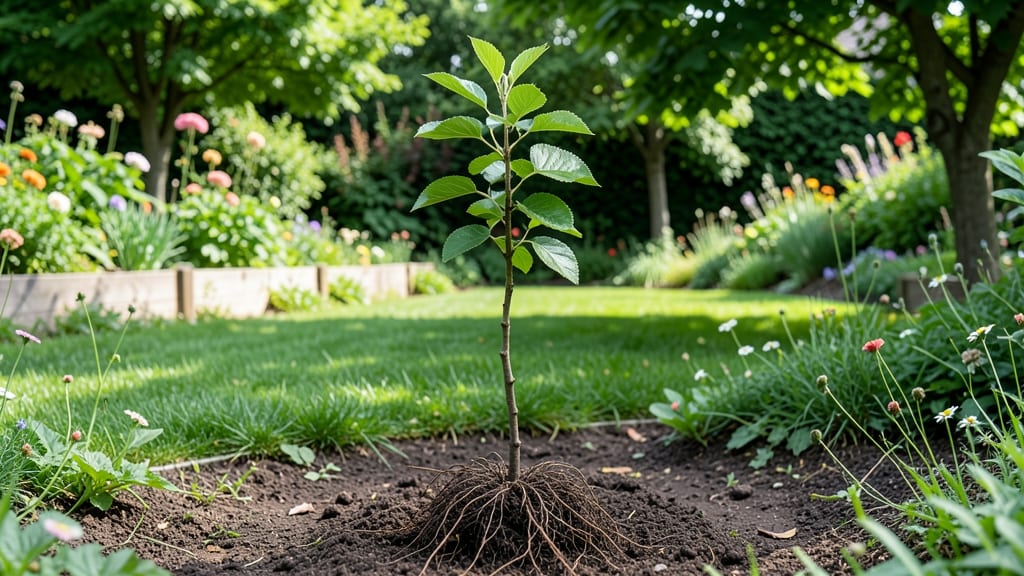
Growing a cherry tree from seed takes 5 to 10 years to reach fruiting age, a timeline far longer than many gardeners expect.
If you’ve ever dreamed of plucking fresh cherries from your own tree, only to realize the wait is decades longer than store-bought saplings, you’re not alone. Unlike grafted varieties that bear fruit in just 2-3 years, seed-grown trees require patience—and the right care—to survive their early years.
This guide breaks down the year-by-year journey from seed to sapling, including critical milestones like germination (4-8 weeks), transplanting, and when to expect the first signs of maturity. We’ll also cover how climate, soil, and pruning can speed up—or delay—fruit production.
By the end, you’ll know exactly what to expect, from the first leaves in spring to the first blossoms (if they ever come). Spoiler: most seed-grown trees never fruit, but with these strategies, you’ll maximize your chances.

Year-by-year growth timeline: seed to sapling (years 1-3)
Growing a cherry tree from seed is a marathon, not a sprint. Your first three years will focus on establishing a strong root system and vigorous trunk—the foundation for a tree that might not bear fruit for five to seven years.
Each stage requires specific care to avoid common pitfalls like damping off or poor transplant shock. Let’s break down what to expect month by month.
In Year 1, your cherry seed will transition from a tiny speck to a 6-inch sapling if all goes well. The first 4-8 weeks are critical for germination, where you’ll need to maintain consistent moisture and warmth (65-75°F).
After sprouting, your seedling will develop its first cotyledon leaves (seed leaves), followed by true leaves in 6-8 weeks. This is when you’ll start noticing real growth.
By Month 3, your seedling should be 4-6 inches tall with a sturdy stem. This is the perfect time to harden off your seedlings if you started them indoors.
Gradually expose them to outdoor conditions over 7-10 days, moving them from shade to morning sun first. Avoid direct afternoon sun to prevent leaf scorch.
Here’s a quick breakdown of your seedling’s progress in the first three years, including soil, light, and care requirements:
| Stage | Action | Height | Key Focus |
|---|---|---|---|
| Year 1 (Spring) | Germination (4-8 weeks) | 0.1-0.5 in | Moisture, warmth, indirect light |
| Year 1 (Summer) | First true leaves (6-8 weeks) | 4-6 in | Full sun, balanced fertilizer |
| Year 1 (Fall) | Hardening off (Month 3) | 6-12 in | Gradual outdoor exposure |
| Year 2 (Spring-Summer) | Transplant to ground | 12-24 in | Well-draining soil, stake for support |
| Year 2 (Fall) | Root pruning (if needed) | 2-3 ft | Encourage deeper roots |
| Year 3 (Spring-Summer) | First pruning (remove dead branches) | 3-5 ft | Open canopy for airflow |
In Year 2, your sapling will grow 12-24 inches if planted outdoors in well-draining soil with full sun exposure. This is when you’ll transplant your seedling to its permanent location, ideally in early spring before new growth begins.
Choose a spot with 6+ hours of sunlight and acidic soil (pH 6.0-6.5). Amend the soil with compost and a slow-release fertilizer to support rapid growth.
Avoid the temptation to over-fertilize in Year 2—too much nitrogen will promote leafy growth at the expense of root development. Instead, focus on watering deeply once a week and mulching around the base to retain moisture.
By late summer, your sapling should be 3-5 feet tall, with a trunk thick enough to support its own weight. This is also when you’ll start training the tree’s structure by pruning out weak or crossing branches.
By Year 3, your cherry tree will reach 6-10 feet if conditions are ideal. This is when you’ll notice the tree developing a more defined trunk and lateral branches. Continue pruning to remove suckers (shoots growing from the base) and thin out crowded branches to improve airflow.
In colder climates, young trees may need winter protection, such as wrapping the trunk with tree guard to prevent rodent damage.
One of the biggest mistakes gardeners make in the first three years is neglecting soil health. Cherry trees thrive in well-aerated, slightly acidic soil. If your soil is clay-heavy, mix in sand or perlite to improve drainage.
If it’s sandy, add organic matter like compost or peat moss. Test your soil’s pH level annually—aim for 6.0-6.5—and adjust with lime (to raise pH) or sulfur (to lower pH) as needed.
Another critical step in Year 3 is monitoring for pests. Young cherry trees are susceptible to aphids, spider mites, and borers. Inspect leaves regularly for yellowing, curling, or holes, and treat infestations early with neem oil or insecticidal soap. Prevention
Accelerating fruit production: pruning, pollination, and soil secrets (years 4-5)
By year four, your cherry tree enters a critical phase where strategic pruning and soil optimization can push fruiting forward by 1-2 years.
Unlike grafted trees that fruit in 2-3 years, seed-grown varieties need targeted care to trigger flowering. Sweet cherries like 'Stella' respond faster than sour cherries like 'Montmorency' due to their genetic predisposition for earlier blooming.
Start by pruning in late winter (dormant season) to remove dead or crossing branches—this improves air circulation and directs energy to fruit production.
Aim for an open-center shape, allowing sunlight to penetrate the canopy where flowers form. Thin out 1/3 of the canopy, focusing on branches thicker than your thumb.
🌱Soil secrets are your next leverage point. Cherry trees crave phosphorus-rich soil, which triggers flowering. Test your soil—ideal levels are 40-60 ppm phosphorus. Amend with bone meal or composted manure, working it into the top 12 inches of soil in early spring.
Pair this with a balanced fertilizer (10-10-10) applied in March and September.
Sweet vs. Sour Cherries: Fruiting Speed Showdown
| Factor | Sweet Cherries (e.g., 'Stella') | Sour Cherries (e.g., 'Montmorency') |
|---|---|---|
| Fruiting Age | 4-6 years | 5-8 years |
| Pollination Needs | Self-pollinating | Cross-pollination |
| Soil pH Preference | 6.0-7.0 | 5.5-6.5 |
| Chilling Hours | 500-600 | 800-1,000 |
| Fruit Ripening | June-July | July-August |
💡 Pro Tip: For sour cherries, plant two compatible varieties, like 'Montmorency' and 'Balaton,' to ensure cross-pollination and fruit set.
Don’t overlook pollination strategies—even self-pollinating sweet cherries benefit from early spring bee activity. Install a bee house, plant bee-friendly flowers, or hand-pollinate with a soft brush if bees are scarce. Timing is critical: pollinate when flowers are fully open but before petal drop.
For sour cherries, space trees 30-50 feet apart, ensuring wind can carry pollen between varieties.
Watch for flower buds forming, typically in late summer of year four. These 1/4-inch green buds, often mistaken for leaves, are your first sign of impending fruit. Protect them from late-season frost, which can kill blossoms.
Use frost cloth, a hair dryer on low, or even a smoke screen, if temperatures drop below 28°F.
By year five, your efforts should pay off with 50-100 cherries, though yields will be modest. Thin fruit, leaving 4-6 inches between cherries, to prevent overcrowding and improve size. Harvest when stems easily twist off, usually in late June for sweet cherries, July for sour.
Store unwashed fruit in the fridge for up to 2 weeks.
✂️ Remember: Patience and precision are key. While seed-grown cherries may never match grafted trees in productivity, they reward you with decades of fruit***, disease resistance, and the satisfaction of growing from seed. Now go forth and prune—your future cherry pie awaits!