
How To
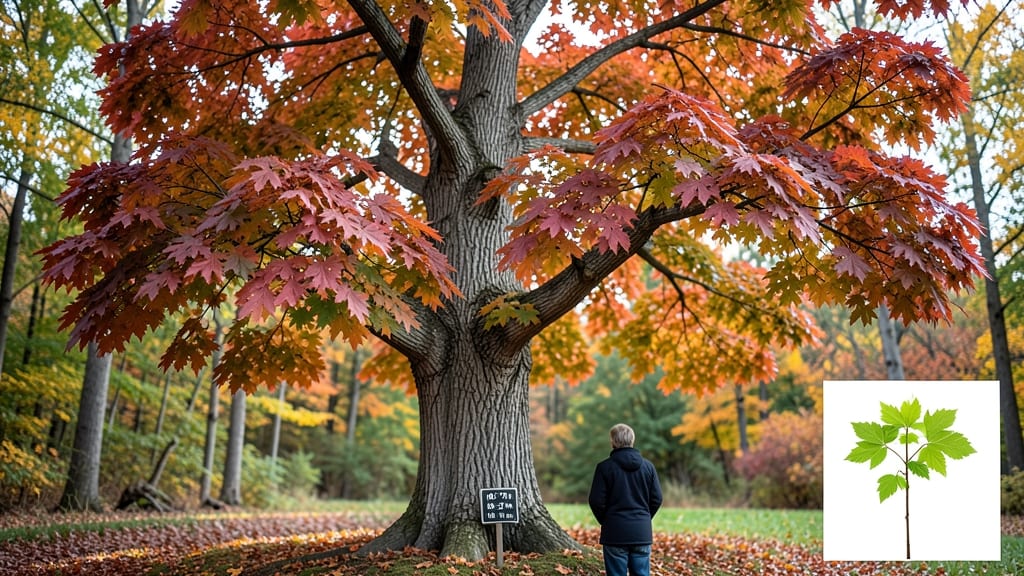
A maple tree can grow how tall can a maple tree grow to 120 feet in ideal conditions, turning your backyard into a towering canopy that rivals city skylines 🌳.
If you’ve ever dreamed of a towering maple tree shading your backyard or lining your street, you’re not alone—but did you know some species can reach skyscraper heights in just half a century?
The answer to how tall can a maple tree grow depends on the species, soil quality, and climate. Sugar maples, for example, can soar to 75–100 feet, while Silver maples hit 50–80 feet faster, making them a favorite for quick shade.
In this guide, I’ll break down the fastest-growing varieties, how to maximize their height, and the pruning secrets that keep them healthy—so you can plant with confidence and watch your maple reach its full potential.

Maple tree height by species: fastest-growing varieties that reach 100 feet
If you’re planning to plant a maple tree, understanding maple tree height by species is crucial. Some varieties grow faster and taller than others, with the Silver Maple and Sugar Maple leading the pack.
In ideal conditions, these giants can reach 100 feet or more within 50 years, making them a stunning but long-term investment for your landscape.
The fastest-growing maple species aren’t just about height—they’re also about how quickly they reach those towering heights. For example, a Silver Maple can grow 3-5 feet per year in perfect conditions, while a Sugar Maple grows more slowly at 1-2 feet annually.
Your choice depends on whether you want rapid shade or a slower, more controlled growth.
Here’s the key difference: Silver Maples prioritize speed, while Sugar Maples prioritize longevity and stability. If you’re in a hurry for shade, the Silver Maple is your best bet—but if you’re planting for future generations, the Sugar Maple’s steady growth might be more appealing.
Let’s break down the tallest maple species and their growth rates to help you decide which fits your space and timeline best.
The Silver Maple is the undisputed champion for fastest growth to 100 feet, often reaching that height in as little as 30 years under ideal conditions. Its rapid growth makes it perfect for large properties or areas where you need shade quickly.
However, its weaker wood means it’s more prone to storm damage, so it’s not ideal for hurricane-prone regions.
On the other hand, the Sugar Maple takes its time but rewards you with unmatched longevity and stunning fall foliage. It’s the tree you’ll pass down to your grandchildren, and its 100-foot height is a testament to its resilience.
If you’re patient and want a tree that lasts centuries, this is the one to choose.
The Norway Maple strikes a balance, growing at a moderate pace of 2-3 feet per year and reaching 80 feet in about 40 years. It’s a great choice for urban landscapes because it tolerates shade better than other maples, making it ideal for city streets or densely planted gardens.
If you’re wondering how tall can a maple tree grow in your backyard, consider your space and climate. A Silver Maple might be too aggressive for small yards, while a Sugar Maple could outgrow even the largest properties.
Always measure your space and check local regulations before planting—some areas restrict tree heights near power lines or sidewalks.
For maximum height, ensure your maple tree gets full sun exposure and well-draining soil. Poor soil or shade can stunt growth significantly, so test your soil and amend it with compost if needed.
With the right conditions, your maple could easily reach 100 feet or more, becoming a true centerpiece of your landscape.
🌳
How to maximize maple tree growth: soil, sunlight, and pruning secrets
Unlocking your maple tree’s full potential starts with understanding its growth needs. While some species like the Sugar Maple can reach 100 feet in ideal conditions, others like the Japanese Maple stay compact.
The secret to rapid growth lies in mimicking their natural habitat—well-draining soil, full sunlight, and strategic pruning to encourage vertical expansion. Let’s dive into the science behind sky-high maples.
Your maple tree’s height is directly tied to its soil pH, which should range between 6.0 and 7.5 for optimal nutrient uptake. Test your soil before planting—acidic soil (below 6.0) can stunt growth, while alkaline soil (above 8.0) may cause nutrient deficiencies.
Amend with compost or peat moss to create the perfect growing medium. Remember, healthy roots mean faster upward growth!
- 🌱 Soil Prep: Mix 50% topsoil, 30% compost, and 20% sand for drainage
- ☀️ Sunlight: Plant in full sun (6+ hours) for 20-30% faster growth
- 💧 Watering: Deep watering 2x weekly for first 2 years
- ✂️ Pruning: Remove dead branches in late winter to redirect energy upward
- 🌿 Fertilizer: Apply balanced 10-10-10 in early spring for young trees
Sunlight is non-negotiable for maple trees aiming for 100-foot heights. Place your tree in a location with at least 6 hours of direct sunlight daily—morning sun is ideal to prevent afternoon heat stress.
If your yard has partial shade, opt for fast-growing species like Silver Maple, which tolerate 30% less sunlight than Sugar Maples. A sun-drenched maple can grow 3 feet per year in its prime!
Pruning isn’t just about shaping—it’s a growth hack. To encourage height, focus on crown thinning in late winter or early spring, removing up to 25% of the canopy to reduce competition for nutrients.
Avoid topping (cutting the main stem), as this triggers weak, disease-prone growth. Instead, prune 1/3 of the lowest branches annually to direct energy upward.
Watering schedules change as your maple matures. Young trees (3 years old) need 10-20 gallons weekly, while established trees thrive with deep watering every 10-14 days. Mulch around the base with 3-4 inches of wood chips to retain moisture and regulate soil temperature.
Pro tip: Water in the early morning to reduce fungal risks from prolonged leaf wetness.
With the right conditions, your maple tree could hit 60 feet in 20 years—or even 100 feet in 50 years if you’re growing a Sugar Maple in the perfect climate.
Start with well-amended soil, full sun exposure, and consistent pruning, and watch your tree reach new heights—literally! 🌳