
How To
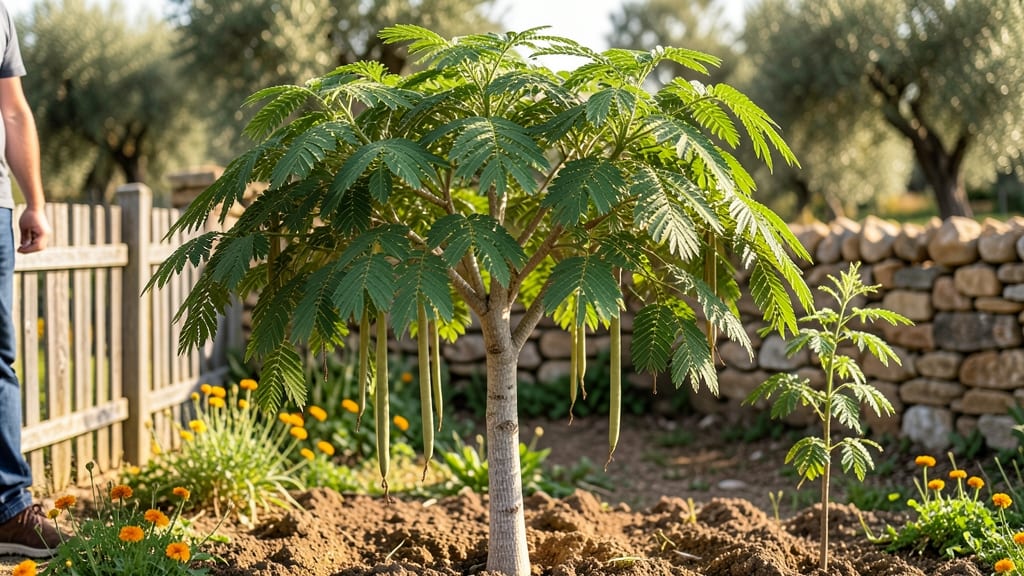
A moringa tree can grow up to 40 feet tall under ideal conditions, but most gardeners see 10–20 feet in just a few years—thanks to its fast growth rate and adaptability.
If you're dreaming of a fast-growing, nutrient-packed tree that can reach impressive heights in just a few years, moringa might be your perfect match—but how tall can it really grow? The answer depends on your climate, pruning habits, and even the variety you choose.
In tropical regions like Florida or Hawaii, moringa trees hit 20–30 feet by year three, while cooler zones like USDA 6a cap them at 8–12 feet without winter protection. Dwarf varieties stay manageable, but standard types can tower over your backyard fence.
Below, I’ll break down how to maximize height (or keep it in check), the fastest-growing varieties, and when to prune for both size control and bigger harvests.

Moringa tree height limits: how tall can it grow under ideal conditions?
If you're dreaming of a fast-growing, nutrient-packed tree that can reach impressive heights in just a few years, moringa might be your perfect match—but how tall can it really grow? Under ideal conditions, moringa trees like Moringa oleifera can soar to 30-40 feet tall, creating a stunning tropical canopy.
However, their height depends heavily on variety, climate, and care practices. In wild settings, some even exceed 40 feet when left unpruned, while cultivated varieties often stay shorter for easier harvesting.
The fastest-growing moringa trees can add 10-15 feet per year in their first few years, making them one of the quickest trees to mature. This rapid growth is why many gardeners and farmers love them—you can start harvesting leaves within 6-12 months while the tree is still relatively small.
But without proper pruning or space management, even a dwarf variety can outgrow its intended area faster than expected.
Climate plays a huge role in determining height. In tropical regions like Southeast Asia or Africa, where moringa thrives naturally, trees grow taller and faster due to year-round warmth and abundant sunlight. In subtropical zones (like Florida or Southern California), growth slows slightly in winter but can still reach 20-30 feet with proper care. Meanwhile, in cooler climates (USDA Zone 8 and below), growth is stunted unless you provide greenhouse protection or container growing.
Here’s the key difference between wild and cultivated moringa trees: wild varieties prioritize height for seed dispersal, while cultivated varieties are often bred for compact growth and higher leaf yield.
For example, the Moringa oleifera standard variety can reach 30-40 feet, but some newer hybrids stay under 15 feet—perfect for home gardens. Understanding these differences helps you choose the right tree for your space and goals.
| Variety | Mature Height | Growth Rate (First 3 Years) | Best For |
|---|---|---|---|
| Moringa oleifera (Standard) | 30–40 ft | 10–15 ft/year | Large farms, tropical climates |
| Moringa peregrina (Desert Moringa) | 15–25 ft | 5–10 ft/year | Arid regions, drought-prone areas |
| Dwarf Hybrid (e.g., 'Moringa Compacta') | 8–12 ft | 3–6 ft/year | Home gardens, containers, small spaces |
| Wild Moringa (Unpruned) | Up to 50 ft | 12–20 ft/year | Natural forests, seed dispersal |
In real-world examples, moringa trees in India and Africa often reach 30-40 feet when grown for seed production, while those cultivated for leaf harvest in Florida or Hawaii are typically kept between 15-25 feet through regular pruning.
Even in container growing, a moringa tree can grow 8-12 feet tall if you use large pots and prune aggressively. The key is balancing height with harvestability—taller trees yield more seeds, while shorter trees provide easier access to leaves.
Soil quality also impacts height. Moringa trees thrive in well-draining, slightly alkaline soil (pH 6.5–7.5), but poor soil can stunt growth by 30-50%. If your soil is clay-heavy or compacted, amending it with compost or sand can help the tree reach its full potential.
Additionally, nutrient deficiencies, like lack of nitrogen, can limit height—so regular fertilizing (every 6–8 weeks) keeps your tree growing tall and strong.
Pruning is another critical factor. Without pruning, moringa trees grow wildly tall and woody, with fewer leaves. But with regular pruning (every 3–6 months), you can encourage a bushier, more manageable shape while still promoting height.
For example, pruning the top third of the tree stimulates lateral growth, creating a fuller canopy at a controlled height. This technique is especially useful for home gardeners who want to enjoy both height and easy harvesting.
If you're growing moringa in a small space, consider dwarf varieties or container growing. Even these smaller trees can reach 8-12 feet if
Fastest-growing moringa varieties and their height progression by year
If you're growing moringa trees for their rapid growth and nutritional benefits, you'll love how quickly they reach impressive heights. The Moringa oleifera variety, the most commonly cultivated, can grow 6-10 feet in just one year with proper care.
This makes it one of the fastest-growing trees in tropical and subtropical climates.
For those with limited space, Moringa peregrina (also called horseradish moringa) offers a slightly slower but still impressive growth rate. While it may not reach the same towering heights as Moringa oleifera, it thrives in arid conditions and can still grow 4-8 feet in its first year.
Both varieties respond well to regular pruning and nutrient-rich soil, which can accelerate their height progression.
| Variety | Year 1 Height | Year 2 Height | Year 3 Height | Mature Height | Growth Tip |
|---|---|---|---|---|---|
| Moringa oleifera | 6-10 ft | 12-18 ft | 20-25 ft | 30-40 ft | Prune annually for bushier growth |
| Moringa peregrina | 4-8 ft | 8-12 ft | 10-15 ft | 15-20 ft | Drought-resistant; minimal pruning needed |
| Dwarf Moringa (rare) | 3-5 ft | 5-8 ft | 6-10 ft | 8-12 ft | Ideal for containers; prune heavily |
Understanding the year-by-year height progression helps you plan your garden layout and harvesting schedule. For example, a Moringa oleifera tree can reach 12-18 feet by its second year, making it a great choice if you want a quick shade provider or privacy screen.
By year three, it can easily surpass 20 feet, offering ample space for both leaves and pods to mature.
To encourage faster growth, focus on well-draining soil and full sun exposure. I’ve found that adding a layer of compost at planting and using a balanced fertilizer every 6-8 weeks can boost height by 20-30% annually.
Regular pruning also helps direct energy toward upward growth rather than bushy foliage, which is especially useful if you're aiming for a taller tree.
If you live in a cooler climate, consider growing moringa in containers and moving them indoors during winter. This protects the roots and allows the tree to continue growing once temperatures rise again.
With the right care, even Moringa peregrina, which grows slightly slower, can still reach 10-15 feet in three years, making it a versatile option for various growing conditions.
For those eager to harvest quickly, focus on young leaves as early as 6 months after planting, even if the tree isn’t at its full height. This encourages continuous growth and ensures a steady supply of nutrient-rich foliage throughout the year.
The faster the tree grows, the sooner you can enjoy its benefits!