
Propagation
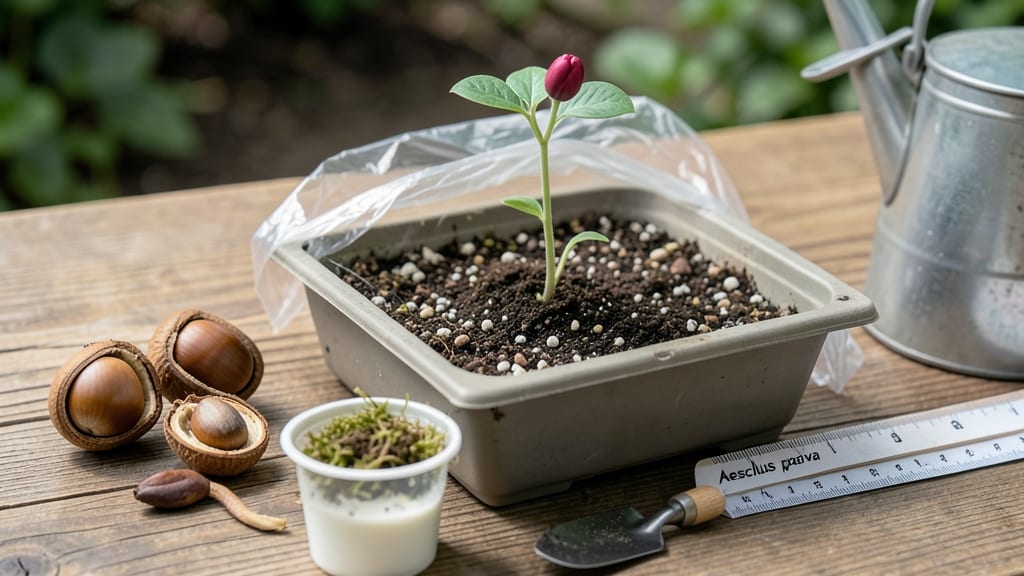
Growing a buckeye tree from a nut feels like unlocking a piece of nature’s magic—especially when you see that first sprout after months of patience. 🌱 The secret to success lies in mimicking how these seeds would germinate in the wild, and it starts with a little trick called stratification, which breaks the seed’s natural dormancy.
Most buckeye nuts need 60-90 days of cold, moist treatment to sprout reliably. I learned this the hard way—skipping stratification meant waiting months for zero results. But once you get it right, those glossy green leaves appear within 4-8 weeks of planting, signaling you’re on the right track.
You’ll end up with a sturdy young tree that thrives in full sun, its compound leaves casting dappled shade by summer. The key is keeping soil consistently moist (but not soggy) during those early weeks, when roots are still fragile.
Whether you’re planting in a container or directly in the ground, this method works for all Aesculus species—just be patient, as buckeyes grow slowly but reward you with striking fall color and wildlife-friendly nuts for years to come.
📚 In This Guide
- What you need
- Instructions
- Tips and common mistakes
- Wrapping up and next steps
What you need
- ● Buckeye nuts: 3–5 fresh, healthy horse chestnut (buckeye) nuts (ensure they’re plump and free of cracks or mold).
- ● Water: Room-temperature or lukewarm water (about 1–2 cups).
- ● Container: Option 1: A shallow dish (like a pie plate) or small bowl for soaking.
- ● Option 2: A small pot (4–6 inches deep) with drainage holes for planting.
- ● Potting mix: Well-draining, seed-starting mix or a blend of 50% peat moss and 50% perlite/sand (sterilized).
- ● Plastic wrap or humidity dome: Clear plastic wrap, a plastic bag, or a propagator lid to create a mini greenhouse.
- ● Spray bottle: For gentle watering (avoid over-saturating the soil).
- ● Scissors or knife: For trimming the nut’s outer husk (if needed) or cutting plastic wrap.
- ● Label or marker: To track planting dates and varieties.
- ● Grow lights or sunny windowsill: A south-facing window or LED grow light (12–16 hours/day) for seedlings.
- ● Fertilizer: A balanced, water-soluble fertilizer (diluted to half-strength) for faster growth (wait until sprouts are 2–3 inches tall).
- ○ Heating mat (optional): A seedling heat mat (70–75°F) to speed up germination in cooler climates.
- ● Larger pot (6–8 inches): For transplanting once the sprout has 2–3 sets of leaves.
Step-by-step instructions for growing a buckeye tree from a nut
Here's how I've learned to coax buckeye nuts into sturdy seedlings—trust me, it's easier than it looks.
🌱 Step 1: Select and Prepare the Buckeye Nut
Pick a large, plump buckeye nut—about the size of a golf ball—with a smooth, unblemished shell. The bigger the nut, the better your chances of strong germination. I always look for nuts that feel heavy for their size, which usually means they're packed with energy for sprouting.
Scrub the nut gently with a soft brush to remove any dirt or debris, then let it dry completely in a warm, sunny spot for 2-3 days. This step prevents mold from forming later. Once dry, place the nut in a plastic bag with a damp paper towel and seal it loosely. Store it in a warm spot (around 70-75°F) for 4-6 weeks—this mimics the natural winter stratification process that breaks seed dormancy.
💧 Step 2: Plant the Stratified Nut for Germination
After stratification, fill a small pot (about 4-6 inches deep) with a mix of 50% potting soil and 50% perlite—this ensures good drainage while keeping moisture. Plant the nut 1 inch deep, with the pointed end facing up. If the nut is cracked or split open, place it with the split side down to encourage root growth.
Water lightly until the soil feels damp but not soggy. Place the pot in a warm, shaded area (buckeye seedlings hate direct sun at this stage). Germination can take 4-8 weeks, so be patient. You'll know it's working when you see a tiny sprout pushing through the soil or a crack forming in the nut's shell.
☀️ Step 3: Transplant and Care for the Seedling
Once the sprout reaches 3-4 inches tall and has developed 2-3 sets of true leaves (not just the first seed leaves), it's ready for its first transplant. Choose a slightly larger pot (about 6-8 inches deep) and use the same soil mix. Gently remove the seedling from its original pot, keeping the root ball intact, and replant it at the same depth it was growing before.
Move the pot to a spot with morning sun and afternoon shade for the first few weeks. Water when the top 1 inch of soil feels dry, but avoid overwatering—buckeye seedlings are prone to root rot. After 2-3 months, when the seedling has outgrown its pot again, it's ready for its final outdoor planting spot in well-draining soil.
⏰ Step 4: Harden Off and Plant Outdoors
About 2 weeks before your last frost date, start hardening off your seedling by placing it outside in a sheltered spot for 1-2 hours the first day. Gradually increase the time it spends outside over 7-10 days, until it can handle a full day in the garden. This slow transition prevents shock and helps the seedling adjust to outdoor conditions.
Choose a planting site with full sun to partial shade and well-draining soil. Dig a hole twice as wide as the seedling's root ball but no deeper. Place the seedling in the hole, backfill with soil, and water deeply. Mulch around the base with 2-3 inches of organic mulch to retain moisture and protect the roots.
Tips & tricks for perfect buckeye tree germination
Here's what nobody tells you about turning buckeye nuts into thriving saplings—these tricks cut down on guesswork.
The Stratification Secret: The 4-6 week stratification period at 70-75°F is non-negotiable for breaking dormancy. I've tried skipping it, and the nuts just sit there—no cracks, no sprouts. If your home runs cooler, place the bagged nuts near a sunny window or use a seedling heat mat. The key is consistency in warmth and moisture during those weeks.
Pot Selection Matters: In Step 2, don't underestimate drainage! Choose pots with bottom holes, even if you're not using saucers. Buckeye seedlings despise soggy roots, and that 50/50 soil-perlite mix needs room to breathe. I use terracotta pots for the first transplant—they wick away excess moisture better than plastic.
Germination Patience: Those 4-8 weeks can feel like forever, but there's a trick to check progress without disturbing the nut. Gently tap the pot—if you hear a hollow sound, the nut is still dormant. When you hear a solid thud, roots are forming! This visual cue helps avoid unnecessary digging that could damage delicate sprouts.
Transplant Timing: Wait for those 2-3 sets of true leaves before transplanting in Step 3—don't rush it. The first seed leaves (cotyledons) don't indicate real growth. I've seen seedlings with just cotyledons wilt after transplanting because they weren't ready. True leaves mean the plant has developed proper photosynthesis capacity.
Pro Tips for Grow A Buckeye Tree From A Nut
- Here's what nobody tells you about turning buckeye nuts into thriving saplings—these tricks cut down on guesswork.
- The Stratification Secret: The 4-6 week stratification period at 70-75°F is non-negotiable for breaking dormancy. I'v...
- Pot Selection Matters: In Step 2, don't underestimate drainage! Choose pots with bottom holes, even if you're not usi...
Frequently asked questions
Got questions about growing a buckeye tree from a nut? You’re not alone! Here are some of the most common concerns—and straightforward answers—to help you succeed.
How long does it take for a buckeye nut to sprout?
A buckeye nut typically takes 4 to 12 weeks to sprout after stratification, depending on temperature and moisture. Patience is key—some nuts may sprout faster in warm, humid conditions, while others need extra time. Keep an eye on your pot for the first green shoot!
Do I need to stratify buckeye nuts, or can I plant them directly?
Stratification is highly recommended for buckeye nuts. Without it, germination rates drop dramatically. The cold, moist treatment mimics winter conditions, breaking dormancy. Skip it, and you might wait months—or never see sprouts! Follow the step-by-step guide for best results.
What if my buckeye nut rots instead of sprouting?
Rotting is often caused by too much moisture or poor drainage. If your nut feels mushy or smells foul, remove it from the pot and replant it in fresh, dry potting mix. Ensure your container has drainage holes, and avoid overwatering. A healthy nut should stay firm but slightly damp.
Can I grow a buckeye tree indoors, or does it need to be outside?
Buckeye trees thrive outdoors but can start indoors in a sunny window or under grow lights. Once sprouted, transplant seedlings outside after the last frost when they’re about 6 inches tall. Young trees love full sun and well-draining soil—just mimic their natural habitat!
How tall will my buckeye tree grow, and how fast?
Mature buckeye trees can reach 20 to 40 feet tall, depending on the species. Growth is slow at first—expect 1 to 2 feet per year—but with proper care, your tree will flourish. Prune young branches to encourage a strong structure and faster growth over time.
Wrapping up and next steps
Growing a buckeye tree from a nut is a rewarding journey that connects you to nature’s patience and resilience. With the right preparation, patience, and a little care, you’ll soon watch those first sprouts break through the soil—proof that even the toughest seeds can thrive with love.
Now that you’ve mastered the tricks, why not expand your green thumb? Try propagating other native trees or sharing your newfound knowledge with fellow gardening enthusiasts! 🌱✨