
Trees
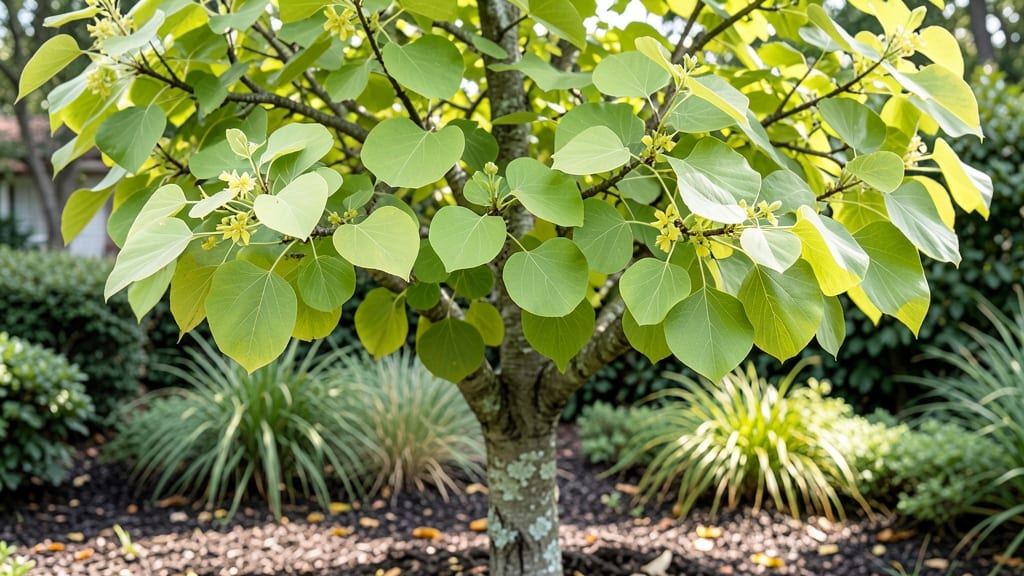
Your tree’s lime-green leaves aren’t a death sentence—just a cry for help. 🌿 I’ve seen this look before, and the fix is simpler than you think. Most gardeners panic when they spot that unnatural shade, but the real challenge is figuring out why it’s happening before you can solve it.
The culprits are usually one of three things: too much water drowning the roots, a nutrient like nitrogen or magnesium playing hide-and-seek, or a sneaky pest sucking the life out of the leaves. The good news?
Each problem has a straightforward fix—no fancy tools or guesswork required. Start by checking the soil moisture with your fingers (yes, really) and looking for tiny bugs or strange spots on the undersides of leaves.
By the time you’re done, your tree will be back to its vibrant self—think deep, rich greens instead of that pale, washed-out look. The best part? You’ll spot these signs earlier next time, saving yourself a season of worry. Let’s turn that lime back to lush in no time.
Works for backyard trees, container-grown specimens, or even that stubborn shade tree you’ve been meaning to check. Here’s how to diagnose the real issue—without losing your patience (or your tree).
Root Causes Behind Leaf Color Shifts
When your tree’s leaves turn a striking lime green, it’s often a cry for help—your foliage is signaling stress or an imbalance. Understanding the why behind these color changes is the first step to restoring your tree’s health.
Below, we break down the most common culprits, from nutrient deficiencies to environmental factors, with science-backed explanations and actionable insights.
Lime green leaves are frequently a symptom of nitrogen deficiency, but other nutrients can also play a role. Trees rely on a balanced diet of macronutrients (nitrogen, phosphorus, potassium) and micronutrients (iron, magnesium, zinc) to produce chlorophyll—the pigment responsible for healthy green leaves.
- Nitrogen (N) Deficiency:
Nitrogen is the building block of chlorophyll. When soil lacks this nutrient, leaves lose their deep green hue and turn pale or lime green, often starting on older leaves. This is common in sandy or overly drained soils, where nitrogen leaches away quickly.
💡 Pro Tip: Conduct a soil test to confirm nitrogen levels. If deficient, apply a slow-release nitrogen fertilizer (like urea or compost) in early spring or fall.
- Iron (Fe) or Magnesium (Mg) Deficiency:
These micronutrients are essential for chlorophyll production. Iron deficiency (chlorosis) often causes lime-green or yellowing between leaf veins, while magnesium deficiency (often seen in older leaves) leads to interveinal yellowing or browning.
Iron is less available in alkaline soils (pH > 7.0), so if your soil is basic, use chelated iron supplements or apply elemental sulfur to lower pH gradually.
- Phosphorus (P) or Potassium (K) Imbalance:
While less likely to cause lime green leaves directly, severe deficiencies in phosphorus (critical for energy transfer) or potassium (key for leaf health) can weaken the tree, making it more susceptible to other stressors that trigger color changes.
Water stress—whether from overwatering or drought—can disrupt nutrient uptake and chlorophyll production, leading to lime-green leaves.
- Overwatering:
Excess moisture suffocates roots, preventing them from absorbing oxygen and nutrients. This leads to anaerobic conditions, where beneficial microbes die off, and toxic compounds like manganese build up. Lime-green leaves may appear alongside yellowing or wilting.
💡 Pro Tip: Improve drainage by amending soil with perlite or compost and avoid watering on a rigid schedule. Let the top 2–3 inches of soil dry out between waterings.
- Underwatering:
Drought stress forces trees to conserve water, slowing photosynthesis. Leaves may turn lime green as the tree prioritizes water retention over chlorophyll production. Wilting or crispy edges often accompany this.
Deep watering 1–2 times per week (depending on climate) encourages root growth. Use mulch to retain moisture and regulate soil temperature.
Trees are sensitive to their surroundings, and extreme or sudden changes in light, temperature, or air quality can trigger lime-green leaves.
- Light Intensity:
Too much direct sun can scorch leaves, while insufficient light weakens photosynthesis. If your tree was recently moved or planted in a shady spot, its leaves may struggle to produce enough chlorophyll, resulting in a pale or lime-green tint.
🌡️ Solution: Gradually acclimate trees to new light conditions. For sunburn, provide afternoon shade with shade cloth or prune nearby structures.
- Temperature Fluctuations:
Cold snaps or heatwaves disrupt cellular processes. For example, early spring frosts can damage new growth, causing lime-green or yellow leaves as the tree repairs itself.
- Air Pollution or Fungal Infections:
Pollutants like sulfur dioxide or ozone can bleach chlorophyll, leading to lime-green discoloration. Fungal diseases (e.g., powdery mildew) may also cause similar symptoms by clogging stomata (leaf pores) and blocking nutrient uptake.
✨ Action Step: Apply neem oil or copper fungicides if fungal spots are present. For urban trees, consider air-purifying plants nearby to mitigate pollution effects.
Certain insects and mites feed on leaf sap or inject toxins that disrupt chlorophyll production, leading to lime-green or mottled leaves.
- Aphids or Spider Mites:
These pests suck sap, starving leaves of nutrients. Their saliva can also trigger toxic responses in the tree, causing discoloration. Check the undersides of leaves for tiny webs or sticky residue (honeydew).
- Scale Insects:
These armored pests attach to branches and stems, draining the tree’s resources. Infested trees often show stunted growth and lime-green leaves as the tree allocates energy to fight the infestation.
🔥 Treatment: Blast pests off with a strong stream of water or use insecticidal soap. For severe cases, consult a local arborist about systemic treatments.
Revive Your Tree’s Vibrant Health
Now that you’ve pinpointed why your tree’s leaves are turning lime green, it’s time to take action! The good news? Most issues are fixable with the right care. Below, we’ve broken down practical solutions for each common cause—plus tips to keep your tree thriving long-term.
---
Signs: Yellowing leaves, soggy soil, or roots sitting in water.
How to Fix It: 🔥 Stop the water flood – Let the top 2–3 inches of soil dry out before watering again. Stick your finger in the soil to test moisture. 🍳 Improve drainage – If your tree is in a pot, add a layer of gravel or perlite at the bottom. For in-ground trees, amend the soil with compost or sand to loosen it up. 👨🍳 Repot if needed – If roots are rotting, transfer your tree to a larger pot with drainage holes or a well-draining spot in the garden. ⏰ Mulch properly – Apply 2–3 inches of organic mulch (like wood chips) around the base, but keep it 6 inches away from the trunk to prevent moisture buildup.
💡 Prevention Tip: Water deeply but infrequently—most trees prefer a good soak once a week (adjust for climate) over daily light sprinkles.
---
Signs: Crispy, lime-green edges, wilting, or leaves curling in hot sun.
How to Fix It: 🔥 Provide afternoon shade – Use a light shade cloth (30–50%) or move potted trees to a spot with dappled sunlight (especially for tropical varieties). 🍳 Water at the roots – Deep watering in the early morning or late evening helps prevent evaporation. Avoid overhead sprinkling, which can scorch leaves. 👨🍳 Mist leaves (for tropical trees) – A light misting in extreme heat can help, but avoid soggy soil. ⏰ Fertilize lightly – A balanced, slow-release fertilizer (like 10-10-10) can boost resilience, but skip it in peak summer heat.
🌡️ Prevention Tip: If you’re planting a new tree, choose heat-tolerant species (like olive trees, crape myrtles, or bottle brush) for your climate.
---
Signs: Yellow spots, black mold, sticky residue (sap), or holes in leaves.
How to Fix It: 🔥 Prune infected areas – Use sterilized shears to remove yellowed or spotted leaves and dispose of them in the trash (not compost). 🍳 Spray with neem oil or fungicide – - For fungi (like powdery mildew): Mix 1 tsp neem oil + 1 tsp baking soda + 1 quart water, spray every 7–10 days. - For pests (like aphids or spider mites): Use insecticidal soap or horticultural oil (follow label instructions). 👨🍳 Encourage beneficial insects – Ladybugs and lacewings eat pests naturally. Plant marigolds or dill nearby to attract them. ⏰ Improve air circulation – Thin out dense foliage and space trees 3–6 feet apart to reduce humidity (which fuels fungi).
💡 Prevention Tip: Water in the morning so leaves dry quickly, and avoid overhead watering to prevent fungal spores from spreading.
---
Signs: Pale lime-green leaves (especially on new growth), stunted growth, or yellowing between veins.
How to Fix It: 🔥 Test your soil – Grab a DIY soil test kit (or send a sample to a local extension office) to check pH and nutrient levels. 🍳 Add organic matter – - For nitrogen (green growth): Use compost, fish emulsion, or alfalfa meal. - For iron/magnesium (yellowing between veins): Apply chelated iron or Epsom salt (1 tbsp per gallon of water, sprayed on leaves). 👨🍳 Use slow-release fertilizer – A balanced granular fertilizer (like 10-10-10) in spring and early fall prevents spikes and drops in nutrients. ⏰ Mulch annually – A 2-inch layer of compost or aged bark replenishes soil gradually.
🎯 Prevention Tip: Over-fertilizing can burn roots! Follow package instructions and water deeply after applying to help nutrients absorb.
--- Signs: Lime-green leaves, wilting, or slow growth after moving.
How to Fix It: 🔥 Water thoroughly – Newly planted trees need deep watering 2–3 times per week for the first month. 🍳 Stake if needed – If your tree is top-heavy, use soft ties and stakes to prevent wind damage while roots establish. 👨🍳 Avoid pruning – Let the tree focus on root growth instead of new leaves for the first 6–12 months. ⏰ Apply root stimulator – A mycorrhizal fungus powder or rooting hormone gel can speed up recovery.
✨ Prevention Tip: Plant in the right season! Spring or fall (when temps are mild) is best for transplanting—avoid extreme heat or cold.
--- Signs: Lime-green leaves despite good care, mushrooms at the base, or soft, mushy roots when dug up.
How to Fix It: 🔥 Dig carefully – Gently loosen compacted soil around roots with a fork. 🍳 Trim dead roots – Use sterilized pruners to cut away black, mushy roots (healthy roots are white or tan). 👨🍳 Repot or replant – If roots are severely damaged, move to fresh, sterile soil and avoid watering for 3–5 days to let cuts heal. ⏰ Apply systemic fungicide – For root rot, use copper fungicide (like Copper Sulfate) as a soil drench.
💡 Prevention Tip: Never let trees sit in waterlogged soil! Ensure proper drainage before planting.
--- | Problem | Fast Fix | Long-Term Solution | |----------------------|---------------------------------------|--------------------------------------| | Overwatering | Let soil dry, improve drainage | Mulch + water deeply but less often | | Sunburn | Shade cloth + morning watering | Choose heat-tolerant species | | Fungal/Pest Issues | Neem oil spray + prune infected parts | Improve airflow + test soil pH | | Nutrient Deficiency | Chelated iron or compost tea | Annual soil test + balanced fertilizer | | Transplant Shock | Deep watering + root stimulator | Plant in spring/fall, avoid pruning |
--- Remember: Trees are resilient! With the right care, your lime-green leaves will bounce back to their natural color in 2–6 weeks. Keep an eye on your tree’s progress and adjust as needed—your green thumb is closer than you think! 🌿💚
Frequently asked questions
Why do some tree leaves stay bright green while others turn lime green?
New growth often stays bright green because it’s actively producing chlorophyll, while older leaves may turn lime green when they’re nutrient-starved or stressed. Check if the older leaves show yellowing between veins (magnesium deficiency) or if the entire leaf looks pale (nitrogen deficiency).
Can lime green leaves spread to healthy parts of the tree?
Yes, if the issue is systemic (like nutrient deficiency or root rot), the discoloration can spread. However, if it’s localized (e.g., sunburn or pest damage), only the affected branches will show lime green. Act quickly to prevent further spread by addressing the root cause.
How do I tell if my tree needs fertilizer or just better watering?
Check the soil first: Stick your finger 2 inches deep. If it’s bone-dry, water deeply. If it’s soggy, improve drainage. For fertilizer, look for yellowing between veins (magnesium) or overall pale leaves (nitrogen). A soil test kit ($10–$20) gives precise answers.
Will pruning lime green leaves help?
Pruning removes the symptom but not the cause—only fix the underlying issue (water, nutrients, pests). However, removing severely affected leaves can redirect the tree’s energy to healthier growth. Always use sterilized shears to avoid spreading disease.
Could my tree’s lime green leaves be normal for its species?
Some trees (like lime trees or certain conifers) naturally have lighter green foliage, but sudden lime-green shifts usually signal stress. Compare your tree to healthy examples of its species—if others look darker green, investigate further. Pro tip: Take photos and compare with online references.