
Propagation
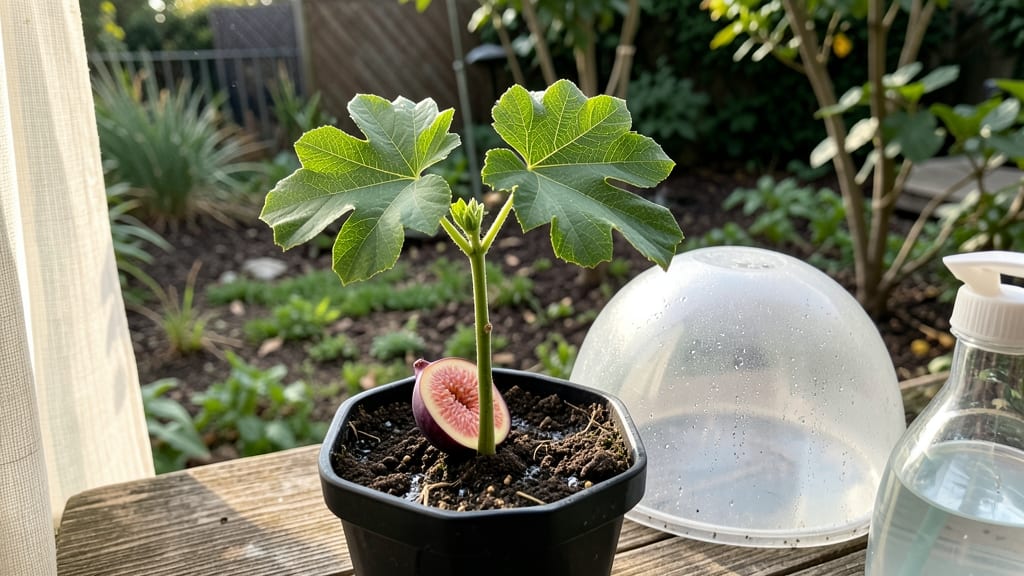
Growing a fig tree from a single fig is easier than you think—and the sweet, sun-ripened fruit you'll harvest in just three years makes it worth every effort. 🌱 I've turned grocery-store figs into thriving trees that produce more than I can eat, and you can too.
The secret lies in choosing the right fig, timing the propagation perfectly, and giving your new cutting the right conditions to root.
You'll need just three things: a ripe fig (the fresher, the better), a clean knife or pruners, and a pot with well-draining soil.
The process takes about 6-8 weeks for roots to form, and if you start in early spring, you'll have a sturdy young tree ready for transplanting by summer.
Most people struggle because they skip the rooting hormone or overwater during this critical stage—but I'll show you exactly how to avoid those mistakes.
By the time your fig tree reaches its third year, you'll be harvesting fruit that tastes richer than anything you've ever bought. The trees grow surprisingly fast, with glossy leaves and a sturdy trunk that can handle both container life and in-ground planting.
Plus, figs thrive in heat and drought once established, making them one of the most low-maintenance fruit trees for warm climates.
Whether you're growing in a sunny patio pot or planting directly in the ground, this method works for both indoor and outdoor spaces. The key is patience—fig trees reward you for giving them time to establish strong roots before expecting fruit. Let's get those figs growing!
📚 In This Guide
- What you need
- Instructions
- Tips and common mistakes
- Wrapping up and next steps
What you need
- ● 1 fresh, ripe fig (preferably organic or pesticide-free; choose one with a stem still attached)
- ● 1 small pot (4–6 inches in diameter) with drainage holes (plastic or terracotta works)
- ● Well-draining potting mix (cactus/succulent mix or a blend of 50% potting soil + 50% perlite/sand)
- ○ Rooting hormone (optional but helpful) (powder or gel form)
- ● Spray bottle with water (for misting)
- ● Clear plastic bag or humidity dome (to retain moisture)
- ● Rubbing alcohol or hydrogen peroxide (3%) (for sterilizing tools)
- ● Sharp, clean scissors or pruning shears (sterilized to prevent disease)
- ● Permanent marker or label (to track planting dates)
- ● A heat mat (to keep soil warm, especially in cooler climates)
- ● Grow lights (if natural light is limited)
- ● Fertilizer (balanced or low-nitrogen) (once roots establish, ~2–3 months in)
- ● Mulch or pebbles (to retain moisture in the pot)
- ● Larger container (10–12 inches) (for transplanting after 3–6 months)
Step-by-Step instructions for growing a fig tree from a fig
Here's how I grow healthy fig trees from fresh fruit—no fancy tools or greenhouses required.
🌱 Step 1: Select and Prepare Your Fig
Choose a ripe, firm fig with no soft spots or bruises—these grow best. I like to pick one that's slightly underripe so it lasts longer during rooting. Cut the stem (about 2-3 inches long) just below a leaf node where tiny bumps appear (these are where roots form). Remove all leaves except the top 2-3 to reduce moisture loss.
Place the stem in a glass of water and set it in a bright spot (but not direct sun) for 2-3 days. You'll see small white root hairs appear along the stem—this means it's ready for planting. Real talk: if no roots form after a week, try a different fig or start over.
🪴 Step 2: Plant in Moist Potting Mix
Fill a small pot (4-6 inches wide) with well-draining potting mix. I mix equal parts potting soil and perlite for extra drainage—fig roots rot easily in soggy soil. Dip the rooted stem in water, then plant it so the bottom 1-2 inches are buried, leaving the top leaves above soil level.
Press gently around the stem to remove air pockets. Water lightly until moisture seeps from the bottom drainage hole. Place the pot in bright, indirect light (like an east-facing window) and keep the soil consistently moist—not soggy, just damp to the touch. You'll see new growth in about 4-6 weeks.
☀️ Step 3: Transition to Sun and Larger Pot
Once the stem grows 2-3 new leaves (about 6-8 weeks), gradually move it to more sunlight—start with 2-3 hours of morning sun, then increase daily. Figs love heat but need time to acclimate. After 3 months, transplant to a 1-gallon container with fresh potting mix and a handful of compost.
Here's the thing—figs grow fast. In their second year, they'll need a 5-gallon pot. I always use pots with drainage holes and add a layer of gravel at the bottom to prevent root rot. Water deeply when the top inch of soil feels dry, but avoid letting it sit in water.
✂️ Step 4: Prune and Encourage Fruit Production
In late winter (just before new growth starts), prune back any dead or weak branches. I cut about 1/3 of the plant's height to encourage bushier growth and more fruit. Figs bear fruit on new wood, so pruning stimulates new shoots where next year's figs will form.
Fertilize lightly in spring with a balanced 10-10-10 fertilizer (just a pinch per pot). Too much fertilizer makes leaves grow fast but fruit slow. Watch for figs forming in late summer—they start as tiny green bumps and grow rapidly. Harvest when they're soft but still firm to the touch.
🌿 Step 5: Overwinter for Year-Round Growth
Figs need a short rest period. In fall, reduce watering and move the pot to a cooler spot (50-60°F) with bright light. You'll see leaves drop naturally—this is normal. Keep the soil barely moist and resume regular care in spring when new growth appears.
After 3 years, your tree will produce enough figs to share. I've grown trees this way in containers for over a decade—just keep them in pots and bring them indoors before frost. The key is patience and consistent care, but the payoff is worth it.
Tips & tricks for growing a fig tree from a fig
Fig propagation is simpler than you think—here's how to set yourself up for success from the start.
Rooting Secret: For faster rooting in Step 1, place your cuttings in a glass of room-temperature water with a drop of rooting hormone (optional but helpful). I've found that changing the water every 2-3 days prevents bacterial growth while encouraging those white root hairs to multiply. Watch for tiny bubbles forming along the stem—that's your sign roots are actively growing!
Light Balance: In Step 2, that "bright spot" isn't just any light—think filtered sunlight like an east-facing window. Direct sun at this stage can scorch tender new leaves before roots establish. I keep mine near a sheer curtain where it gets dappled light. If you don't have windowsill space, a grow light on a timer (12-14 hours daily) works perfectly.
Transplant Timing: The 3-month mark in Step 3 is ideal because your fig will have developed a strong root system by then. Look for roots growing through the drainage holes as your cue to upgrade pots. I've seen beginners rush this step, and the plant struggles to adapt—patience here means stronger growth later. A good rule of thumb: if you can gently tug on the plant and it resists, it's ready!
Pro Tips for Grow A Fig Tree From A Fig
- Fig propagation is simpler than you think—here's how to set yourself up for success from the start.
- Rooting Secret: For faster rooting in Step 1, place your cuttings in a glass of room-temperature water with a drop of rooting hormone (optional but helpful).
- Light Balance: In Step 2, that "bright spot" isn't just any light—think filtered sunlight like an east-facing window.
Frequently asked questions
Got questions about growing a fig tree from a fig? You’re not alone!
Here are answers to the most common queries—so you can skip the guesswork and focus on growing that sweet, sun-ripened fruit.
Can I grow a fig tree from any fig I buy at the grocery store?
Unfortunately, most store-bought figs are commercial varieties (like ‘Black Mission’ or ‘Brown Turkey’) that are grafted or bred for consistency—not propagation. For best results, use organic, heirloom, or homegrown figs (like ‘Desert King’ or ‘Celeste’) from a trusted source. If you’re unsure, ask the seller or check for seeds—if they’re plump and firm, they’re more likely to sprout!
How long does it take for a fig cutting to root?
With the right conditions (moisture, warmth, and patience!), fig cuttings typically root in 4–8 weeks. You’ll know it’s working when you see tiny white roots poking out of the base or new leaves sprouting. If you’re using water propagation, change the water every 3–4 days to prevent bacteria. For soil, keep it consistently damp (not soggy) and mist the cutting daily.
What if my fig cutting rots before it roots?
Rotting is usually caused by too much moisture or poor airflow. To prevent it:
- Use sterilized soil or water.
- Avoid overcrowding cuttings in one container.
- Trim any mushy, blackened areas immediately with clean scissors.
- Let the base dry slightly between waterings if using soil.
Can I grow a fig tree indoors year-round?
Yes! Fig trees thrive indoors with bright, indirect light (a south-facing window or grow lights work best). Keep temperatures between 60–80°F and maintain moderate humidity (a pebble tray or humidifier helps). However, they’ll need at least 6–8 hours of sunlight daily to fruit—so supplement with grow lights in winter. Expect slower growth indoors, but with care, you can still enjoy figs!
What’s the best time of year to start propagating figs?
Figs are perennial, so you can propagate them almost anytime—but late spring to early summer (May–June) is ideal. This gives cuttings enough time to root before winter dormancy. If you’re in a mild climate, fall propagation (September–October) also works well. Avoid extreme heat or cold, as stress can hinder rooting.
Still stumped? Drop your question in the comments—we’ve got answers!
Wrapping up and next steps
Growing a fig tree from a single fig is a rewarding journey that brings sweet, homegrown fruit to your table in just a few years!
With patience, the right care, and a little creativity—like using a rooting hormone or a water jar—you’ll soon have a thriving plant ready to flourish in your garden or container. Now that you’ve got the know-how, why not share your new green thumb skills? Try propagating a few more figs or even experiment with other fruit trees—your future harvests will thank you! 🌱✨