
Pruning
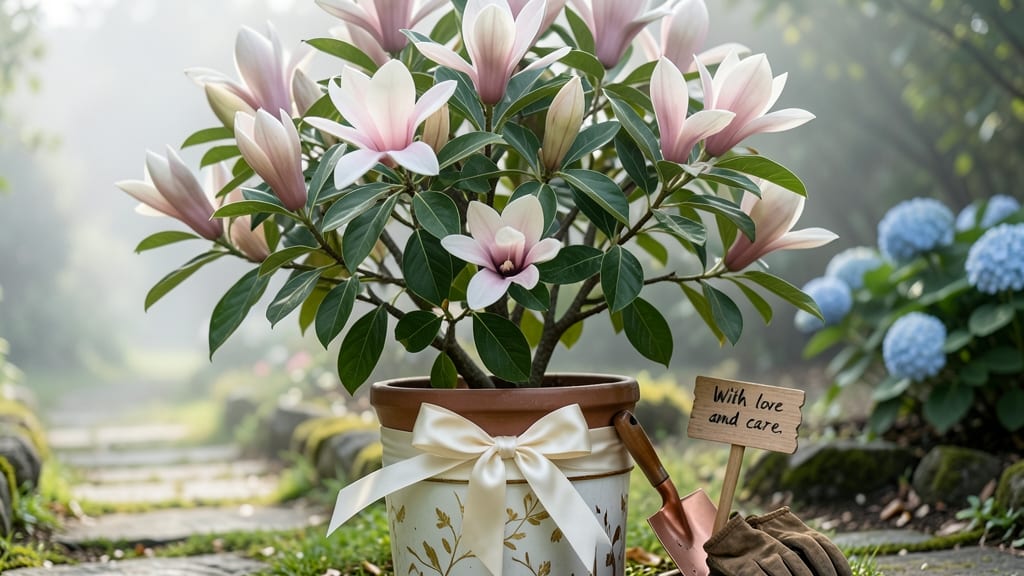
A magnolia tree gift is the one present that keeps giving—year after year of stunning blooms, fragrant air, and timeless beauty. 🌸 I’ve given magnolias for weddings, graduations, and just-because moments, and every time, the recipient’s smile lasts longer than the wrapping paper.
These trees aren’t just plants; they’re living heirlooms that grow more meaningful with each passing season.
Here’s the secret: pair your magnolia with complementary plants like azaleas or camellias for a gift that feels like a full garden experience. Small varieties like ‘Little Gem’ or fragrant ‘Ann’ work perfectly for urban gardens or patios, while larger ones become statement pieces in backyard landscapes.
The best time to gift a magnolia is in early spring, when roots establish before summer heat arrives.
Presentation matters—wrap the tree in burlap with a handwritten note about its care, or include a care guide with your gift. You’ll watch as the recipient’s garden transforms into a sanctuary, with glossy leaves and blooms that last for decades. It’s not just a gift; it’s a legacy.
Whether it’s for a new homeowner, a loved one celebrating a milestone, or someone who simply deserves a touch of nature’s elegance, a magnolia tree gift delivers beauty that never fades. Think of it as planting a future—one that grows alongside the recipient’s memories.
📚 In This Guide
- What you need
- Instructions
- Tips and common mistakes
- Wrapping up and next steps
What you need
- ● Magnolia tree sapling – Choose a healthy, potted specimen (3–5 ft tall, depending on preference). Ensure it’s Magnolia grandiflora, Magnolia stellata, or another variety suited to your climate.
- ● High-quality potting soil – 5–10 gallons (or a 10–15 lb bag) of well-draining, slightly acidic soil (pH 5.0–6.0). Mix in compost (2–3 cups) for nutrients.
- ● Gift wrapping supplies – Eco-friendly burlap, twine, or a decorative pot (if not already potted). Add a gift tag with care instructions!
- ● Pruning tools – A pair of bypass pruners (for trimming dead branches) and hand pruners (for delicate cuts). Sterilize blades with rubbing alcohol.
- ● Watering can or hose – With a gentle spray nozzle to avoid disturbing the roots.
- ○ Mulch (optional but recommended) – 2–3 inches of pine bark or wood chips to retain moisture and protect roots.
- ● Personalized plant label – Engraved with the recipient’s name or a sweet message.
- ● Fertilizer – Slow-release granular fertilizer (10–10–10 NPK ratio) to kickstart growth.
- ● Plant care guide – A printed sheet with tips on sunlight, watering, and pruning for the new owner.
- ● Decorative stakes or trellis – For young trees needing support (if gifting a smaller variety).
How to select and present a magnolia tree as a thoughtful gift
This isn't just a plant—it's a living heirloom that says "I thought of you for decades." Here's how to choose and deliver one with lasting impact.
🌱 Step 1: Choose the Right Magnolia Variety for the Recipient
Start by matching the tree to the recipient's space and climate. Southern magnolias (Magnolia grandiflora) thrive in zones 6-10 with their glossy evergreen leaves, while saucer magnolias (Magnolia × soulangeana) offer dramatic early spring blooms in zones 4-9. For smaller gardens, consider the dwarf 'Little Gem' or fragrant 'Ann'—both stay under 20 feet tall.
Ask about their outdoor space: Do they have a sunny, sheltered spot? Magnolias need 6-8 hours of direct sun and protection from harsh winds. If they're in a city apartment, suggest a dwarf variety in a large container—just ensure it's at least 15-gallon size for proper root development.
☀️ Step 2: Select a Healthy Tree from a Reputable Nursery
Visit a local nursery in late fall or early spring when trees are dormant. Look for a specimen with a sturdy trunk (about 2-3 inches thick for a 4-6 foot tree) and no signs of pests like aphids or scale. The bark should be smooth and the leaves—if present—should be vibrant green without brown edges.
Ask the nursery staff about the tree's growing history. A tree grown in a container for at least 1 year will transplant better than a bare-root specimen. If shipping is necessary, choose a container-grown tree and have it delivered when temperatures are above 40°F—magnolias hate root disturbance in cold weather.
🪴 Step 3: Prepare the Planting Site or Container
If planting outdoors, dig a hole twice as wide as the root ball but no deeper. Magnolias hate having their roots buried too deeply, which can cause root rot. Amend the native soil with 3 inches of compost mixed into the bottom of the hole—magnolias prefer slightly acidic soil (pH 5.0-6.0).
For container planting, use a high-quality acid-loving plant mix and a pot with drainage holes. Place a layer of 1-2 inches of gravel at the bottom, then fill with soil up to 2 inches from the rim. Gently remove the tree from its nursery container and place it in the new pot, filling gaps with additional soil while keeping the root flare visible above the soil line.
💧 Step 4: Present the Tree with Care Instructions
Include a handwritten note with planting instructions and a care schedule. Magnolias need 1 inch of water per week during their first growing season, but avoid overhead watering—direct the hose at the base. Mulch with 2-3 inches of organic mulch (like pine bark) and keep it 6 inches away from the trunk to prevent rot.
Add a seasonal care calendar: Prune in late winter or early spring before new growth appears, and fertilize in early spring with a balanced, slow-release fertilizer (10-10-10). For container-grown trees, fertilize every 4-6 weeks during the growing season. Include a reminder that magnolias can take 3-5 years to bloom—patience is part of their charm.
✂️ Step 5: Add Personal Touches for a Memorable Gift
Wrap the tree's pot in burlap or kraft paper and tie it with twine for a rustic look. Include a small shovel, gloves, and a packet of native wildflower seeds to plant around the magnolia—this adds a thoughtful touch and encourages pollinators. For a sentimental touch, attach a wooden tag with the tree's variety name and the date it was planted.
Consider adding a care journal where the recipient can track the tree's growth. Include a photo of the tree at planting time and leave space for future notes. This turns the gift into a living legacy they'll cherish for generations—far beyond any cut flower arrangement.
Tips & tricks for perfect magnolia tree gifting
A few thoughtful touches can transform a simple magnolia tree into a gift that feels like a promise—here's how to elevate the experience.
Variety Matters: When selecting a tree in Step 1, consider the recipient's personality alongside their space. Southern magnolias offer year-round evergreen beauty, perfect for those who appreciate quiet elegance, while saucer magnolias with their showy spring blooms suit the romantics. For urban gardeners, dwarf varieties like 'Little Gem' or 'Ann' make stunning container plants that can be moved seasonally—just ensure the container is at least that 15-gallon size mentioned in the instructions. This thoughtful match shows you've considered their lifestyle, not just their garden.
Healthy Tree Selection: In Step 2, don't overlook the importance of container-grown trees when shipping is involved. I've seen too many beautiful magnolias arrive damaged because they were bare-root specimens shipped in cold weather. Always specify container-grown trees and confirm delivery occurs when temperatures are above 40°F. Pro tip: Ask the nursery to wrap the root ball in burlap and secure it with twine—this extra protection makes all the difference during transit and prevents root disturbance that can shock the tree.
Presentation That Tells a Story: The presentation in Step 5 is where you can truly make this gift unforgettable. I recommend including a small wooden plaque with the tree's variety name and a handwritten note explaining why you chose that particular magnolia. For example, "This 'Ann' magnolia was selected for its intoxicating fragrance—just like the memories we've shared." This personal connection turns the tree into a living memory. Also, include a packet of native wildflower seeds with planting instructions—this encourages the recipient to create a thriving ecosystem around their magnolia, making your gift part of their landscape for decades.
Pro Tips for Magnolia Tree Gift
- A few thoughtful touches can transform a simple magnolia tree into a gift that feels like a promise—here's how to ele...
- Variety Matters: When selecting a tree in Step 1, consider the recipient's personality alongside their space. Souther...
- Healthy Tree Selection: In Step 2, don't overlook the importance of container-grown trees when shipping is involved. ...
Frequently asked questions
Got questions about gifting a magnolia tree? You’re not alone! Here are some of the most common queries—and their answers—to help you make the best choice.
When is the best time to gift a magnolia tree?
The ideal time to give a magnolia tree is late fall or early winter (November–February). This allows the roots to establish before spring growth. For potted magnolias, spring planting (March–May) works too—just water thoroughly after gifting!
How do I ensure the magnolia tree survives after being gifted?
Wrap the roots in burlap or a breathable fabric, keep the soil moist (but not soggy), and avoid direct sunlight during transport. After planting, mulch the base and water deeply once a week for the first month. Pro tip: Include a care card with instructions!
Are there affordable alternatives to a full-grown magnolia tree?
Consider these budget-friendly options:
- Potted saplings ($20–$50): Younger trees are cheaper and easier to transplant.
- Cutting gifts ($10–$30): A magnolia branch in water or soil can root over time.
- Seeds ($5–$15): Slower-growing but a unique, sentimental touch.
What if the magnolia tree’s leaves turn yellow or drop?
Yellowing leaves often signal overwatering, poor drainage, or transplant shock. Check the soil moisture (top 2 inches should be dry), ensure the pot has drainage holes, and avoid fertilizing for the first 3 months. If the issue persists, consult a local nursery.
Can I gift a magnolia tree in all U.S. climates?
Most magnolias thrive in USDA Zones 4–9, but varieties like Magnolia grandiflora (southern) or Magnolia stellata (hardier) suit different regions. Research your recipient’s zone or opt for a potted tree that can be moved indoors in winter if needed.
Wrapping up and next steps
A magnolia tree gift isn’t just a plant—it’s a promise of timeless beauty, growth, and heartfelt memories. Whether you’re celebrating a milestone, brightening someone’s space, or simply spreading joy, this elegant gift will continue to thrive and inspire for years to come. 🌸
Ready to make an impact? Take the next step:
- 🌱 Choose your tree—consider size, variety, and care needs.
- 📦 Pair it with thoughtful packaging (like a custom pot or care guide).
- 🎁 Add a personal touch—a handwritten note or a pruning tutorial!