
Pruning
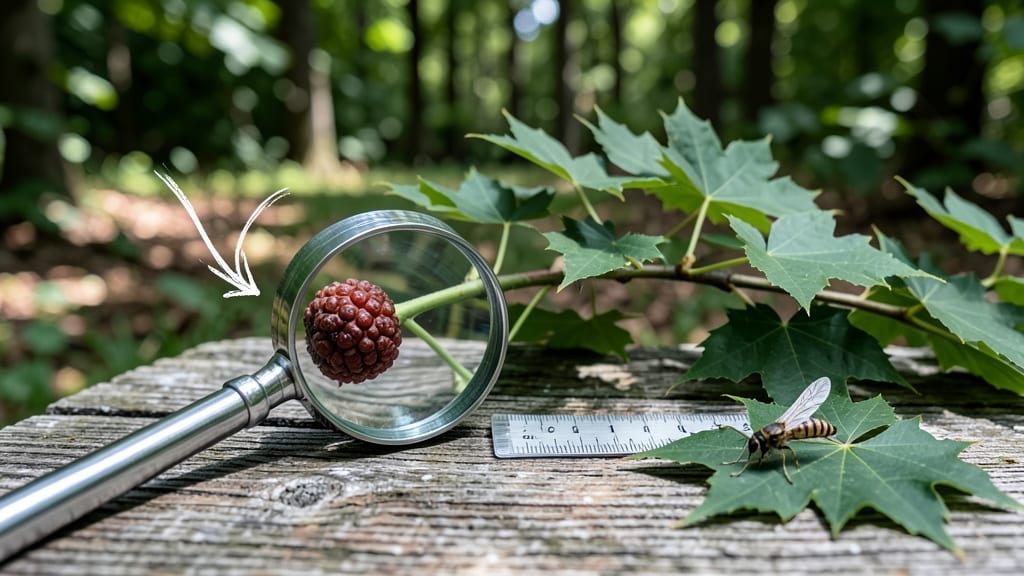
Maple tree galls look like weird bumps on your tree’s branches, but they’re actually a sign of trouble—often from wasps or fungi. 🌳 I’ve seen these lumpy growths turn a once-healthy maple into a mess, but the good news?
You can prune them out and restore your tree’s strength with the right approach. The culprits behind these galls are usually cynipid wasps or fungal infections, and they don’t usually kill the tree—but they can weaken it if left unchecked.
The key is acting at the right time: late winter or early spring, when the tree is dormant but the galls are visible. With sharp pruners and a little patience, you’ll remove the galls without harming the branch. For stubborn cases, organic sprays or insecticidal soap can help.
The goal is to keep your maple thriving for years to come—no more ugly bumps ruining its shape. Prevention is easier than cleanup: inspect your tree regularly, remove galls as soon as you spot them, and encourage natural predators like birds.
A healthy maple is a happy maple, and this guide will show you how to keep it that way.
The Hidden Triggers Behind Tree Growths
Maple tree galls—those unsightly, often lumpy growths on branches or stems—aren’t random blemishes. They’re the tree’s dramatic (and sometimes desperate) response to tiny invaders or environmental stressors. Understanding the why behind these deformities is key to managing them effectively.
Below, we break down the most common culprits, from microscopic pests to seasonal quirks, and explain how they spark gall formation.
Most maple tree galls are born from the larval stage of insects, particularly gall wasps (family Cynipidae) and aphids. These insects don’t just land on your tree—they manipulate it. Here’s how:
- Chemical signals: Female wasps inject saliva or eggs into tender plant tissue (buds, stems, or leaves). The chemicals in their saliva trigger the tree to produce abnormal growths—essentially, the tree overreacts by forming a protective, nutrient-rich "cocoon" around the intruder. Think of it like a plant immune response, but misfired.
- Nutrient theft: The gall provides a safe, food-rich environment for the larva to develop. The tree, meanwhile, diverts energy to sustain the gall, weakening its overall health. Common offenders include:
- Maple bladder gall wasp (Callirhytis quercuspunctata): Creates translucent, bubble-like galls on leaves.
- Oak apple gall wasp (yes, it affects maples too!): Forms hard, apple-shaped galls on stems.
- Maple aphids: Produce woolly, cotton-like galls on buds or twigs.
- Timing matters: Galls often appear in spring or early summer when new growth is most vulnerable. Wasps target terminal buds (the growing tips) or leaf axils (where leaves meet stems) for maximum impact.
💡 Pro Tip: If you spot galls in clusters on young shoots, chances are a gall wasp is the culprit. These galls are usually harmless to the tree’s long-term health but can distort growth or attract secondary pests like ants.
Not all galls are insect-driven. Sometimes, your maple tree’s reaction stems from physical or environmental stress, causing abnormal growths as a survival mechanism. Here’s what’s likely at play:
| Stressor | How It Causes Galls | What It Looks Like |
|---|---|---|
| Mechanical damage (e.g., hail, lawnmower hits, or animal scratches) | The tree’s cells near the wound produce excess callus tissue to seal the injury, sometimes forming a rough, knot-like gall. | Hard, wood-like lumps on branches or trunk; often irregular in shape. |
| Fungal infections (e.g., Taphrina species) | Fungi release enzymes that disrupt normal cell growth, leading to leaf curl galls or swollen buds. Common in wet springs. | Yellowed, curled leaves with thickened, waxy galls; or puffy, deformed buds. |
| Nutrient deficiencies (e.g., zinc or boron lack) | Deficiencies cause abscission layer disruptions, leading to stunted, gnarled growths. Often seen in fast-growing maples. | Small, clustered "witches' brooms" (dense clusters of tiny shoots) or cracked bark. |
| Extreme temperature swings (late frosts or heatwaves) | Sudden cold or heat shocks can stunt meristem cells (growth centers), causing buds to swell abnormally. | Swollen, deformed buds that fail to open; or "frost cracks" in bark. |
⚠️ Watch For: Environmental galls often appear systemically (across multiple branches) rather than in isolated spots. If you suspect fungi, check for spore dust (a white or orange powder) on galls.
Some galls form due to plant hormones being thrown off balance—either by natural processes or human interference. Here’s how it happens:
- Root graft infections: If your maple is connected to another tree via underground roots, pathogens or viruses can travel between them, causing systemic gall formation. This often results in witches' brooms (dense clusters of shoots) or cankers (sunken, dead patches on bark).
- Pruning wounds left open: When you cut a branch but don’t seal the wound properly, the tree may produce excess callus in an attempt to "heal" it incorrectly, leading to bumpy, gall-like growths.
- Herbicide drift or soil toxins: Chemicals like 2,4-D (a common weed killer) can disrupt auxin (a growth hormone), causing abnormal cell division and gall-like deformities.
🎯 Actionable Fix: If hormonal galls are suspected, test your soil for pH and nutrient levels, and avoid over-fertilizing. For root graft issues, consider separating connected trees with a deep trench.
Now that you know why those galls appear, the next step is how to address them—whether through pruning, pest control, or tree care adjustments. Stay tuned for our step-by-step removal guide!
Fixing and Preventing Maple Tree Growths
Maple tree growths—those unsightly, often knobby deformities—can stress your tree and disrupt its natural beauty. But don’t worry! With the right approach, you can remove them safely and prevent future outbreaks. Below, we break down cause-specific solutions and practical prevention tips to keep your maple tree thriving.
Not all growths are the same. The best treatment depends on the type of gall and the underlying cause. Here’s how to tackle the most common issues:
1. 🌿 Insect-Induced Galls (Maple Gall Midges, Wasps, or Aphids) 🛠️ Fix:
Prune infected branches in late winter or early spring (before insects are active).
Use sterilized pruners to avoid spreading disease. - Cut 6–12 inches below the gall to ensure you remove the entire infestation. - Dispose of affected branches in a sealed bag—do not compost them. - Apply horticultural oil (like dormant oil) in early spring to suffocate overwintering insects. - Encourage natural predators (ladybugs, parasitic wasps) by planting companion plants like yarrow or dill.
💡 Pro Tip: If galls are soft and oozing, they may be infected with bacterial or fungal issues—see the next section for treatment.
2. 🦠 Bacterial or Fungal Infections (Cankers, Sooty Mold)
🛠️ Fix:
- Prune infected areas immediately using sterilized tools (rubbing alcohol or bleach solution).
- Make cuts 45 degrees and 1–2 inches below the gall to remove infected tissue.
- Seal wounds with pruning sealant (optional for maples, but helpful for large cuts).
- Clean up debris—remove fallen leaves and galls to prevent reinfection.
- Apply copper fungicide (like Bordeaux mixture) in early spring to prevent spread.
- Improve air circulation by thinning dense foliage around the tree.
⚠️ Warning: If the gall is black, tar-like, or spreading rapidly, it may be sooty mold—scrub the tree with a mild soap solution and treat the underlying aphid or scale infestation.
3. 🌱 Environmental Stress Galls (Poor Soil, Overwatering, Compaction) 🛠️ Fix:
- Test your soil (pH and nutrient levels) and amend with compost if deficient.
- Aerate compacted soil with a garden fork or soil loosener in early spring.
- Adjust watering—maples prefer deep, infrequent watering.
Avoid soggy soil. - Mulch properly (2–4 inches of wood chips or bark) to regulate moisture and temperature.
💡 Pro Tip: If your tree is weak from stress, apply a balanced fertilizer (10-10-10) in early spring to boost recovery.
4. 🐝 Overzealous Pruning or Physical Damage
🛠️ Fix:
- Stop aggressive pruning—maples bleed sap heavily, and over-pruning weakens them.
- Smooth rough edges on cuts with a pruning knife to prevent further stress.
- Avoid heavy equipment near the trunk—use tree-friendly mulch mats under lawnmowers.
The best defense is a strong, healthy tree. Follow these long-term strategies to minimize future growths:
| Prevention Step | How to Do It | Best Time |
|---|---|---|
| Regular Inspections | Check for early signs (swollen buds, sticky residue) every 2–3 months. | Spring & Fall |
| Proper Pruning | Remove dead/diseased branches in late winter (before sap rises). | February–March |
| Insect Monitoring | Use yellow sticky traps to catch early infestations. | Spring (April–May) |
| Soil Care | Top-dress with compost annually and mulch properly. | Early Spring & Fall |
| Water Wisely | Deep water 1–2x/week in drought; avoid over-saturating the root zone. | Year-round (adjust seasonally) |
| Resist Over-Fertilizing | Too much nitrogen attracts pests—use slow-release organic fertilizer. | Early Spring |
✨ Bonus Tip: Plant resistant varieties like Norway Maple (Acer platanoides) or Japanese Maple (Acer palmatum)—some are less prone to severe gall issues.
Removing maple tree growths takes time and care, but with the right steps, your tree can bounce back stronger. Start with identification, apply the correct treatment, and prevent future problems with smart maintenance.
Need help? Consult a certified arborist if galls persist—they can assess tree health holistically and recommend custom solutions. 🌳✂️
Frequently asked questions
Are maple tree galls harmful to my tree?
Most maple tree galls aren't deadly, but they can weaken your tree if left untreated. Insect-induced galls (like those from wasps) may distort growth or attract secondary pests, while fungal galls can spread infections. The key is acting early—prune affected branches in late winter to prevent further damage.
How do I tell if a gall is caused by insects or fungi?
Insect galls (like wasp or aphid galls) often appear as hard, lumpy growths on stems or leaves, sometimes with small holes where insects emerge. Fungal galls usually look soft, spongy, or oozing, with possible white/orange powder (spores). Check for these clues: insect galls are usually dry, while fungal ones may smell musty.
Can I remove maple tree galls myself, or should I call a professional?
Small, isolated galls can be safely removed with sterilized pruners in dormant season (late winter). For large infestations, systemic issues (like root grafts), or if galls appear black and oozing, consult a certified arborist. They can assess whether the problem requires specialized treatment like systemic fungicides or tree injection therapy.
Will pruning galls help prevent future outbreaks?
Yes! Pruning removes the source of infestation and reduces stress on your tree. For insect galls, cut 6–12 inches below the gall to ensure you remove eggs/larvae. Combine pruning with horticultural oil sprays in early spring and soil improvement (like compost) to strengthen your maple’s defenses against future attacks.
Are there natural remedies for maple tree galls?
For insect galls, try neem oil or insecticidal soap (spray in early morning to avoid burning leaves). For fungal galls, a baking soda spray (1 tsp baking soda + 1 quart water + a drop of soap) can help. Always test remedies on a small area first, and avoid overwatering—maples prefer well-draining soil.