
Neem Oil
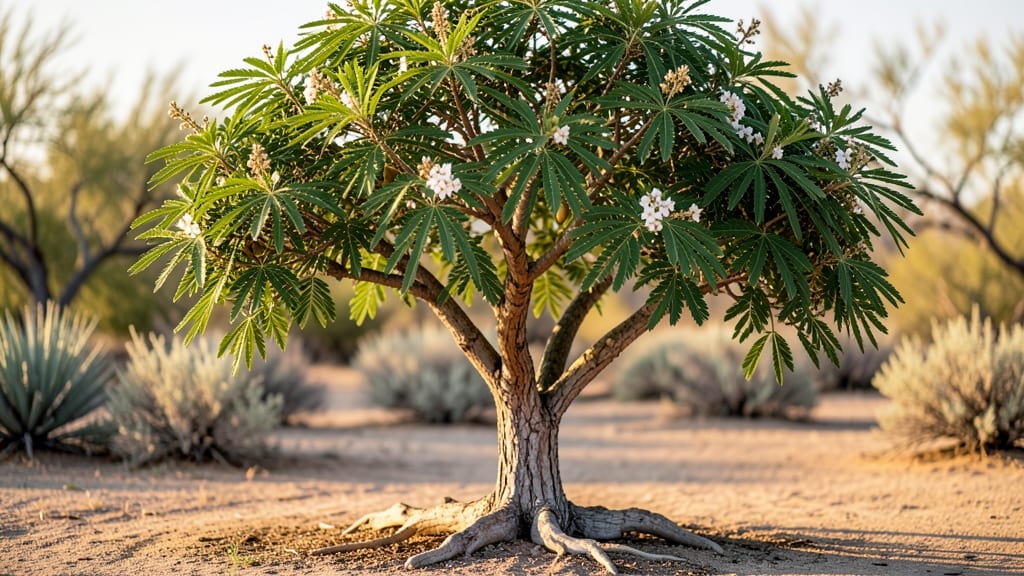
Growing a neem tree in Arizona isn’t just possible—it’s fast and surprisingly hardy once you know the tricks. 🌵 I’ve watched mine go from a 6-inch sapling to a 10-foot shade provider in just three years, thriving in the desert’s brutal sun and dry winds.
The key? Mimicking its natural habitat with minimal fuss.
Neem trees love Arizona’s heat but hate soggy roots, so well-draining soil and deep but infrequent watering are non-negotiable. They’re drought-tolerant once established, but young trees need 1-2 gallons per week during the first year—more in summer. Mulch heavily to lock in moisture and keep roots cool.
By late spring, you’ll see glossy new leaves and fragrant white flowers, followed by those signature neem pods. The tree’s natural pest resistance means fewer sprays, and the shade it provides in summer is unbeatable.
Even in containers, they handle the heat if you use a large pot with drainage.
Local nurseries like Desert Botanical Garden’s plant sales or Arizona Farm & Garden carry neem trees—just ask for a grafted variety to avoid invasive root systems. With proper care, yours could be producing neem oil in just a few years. Let’s get that tree growing!
📚 In This Guide
- What you need
- Instructions
- Tips and common mistakes
- Wrapping up and next steps
What you need
- ● Neem seeds or saplings: 1–3 (purchased from a reputable nursery or online supplier like Fast-Growing-Trees.com or Amazon). Choose disease-resistant varieties like Azadirachta indica.
- ● Well-draining potting mix: 1–2 bags (50 lbs each) of cactus/succulent mix or a blend of 60% sand, 30% perlite, and 10% compost.
- ● Large container or planting hole: For containers: 1–2 15–20 gallon pots with drainage holes (terracotta recommended).
- ● For in-ground: A hole 3x wider and 2x deeper than the root ball.
- ● Slow-release fertilizer: 1 lb of 10-10-10 or 8-3-9 (organic options like alfalfa meal are ideal).
- ● Mulch: 2–3 cubic feet of gravel or bark chips (avoid organic mulch—it retains too much moisture).
- ● Garden tools: Trowel or shovel
- ● Pruning shears (sterilized)
- ● Gloves (nitrile for chemical resistance)
- ● Watering supplies: Drip irrigation kit or soaker hose (desert-friendly)
- ● Watering can (for seedlings)
- ○ Optional (but helpful): Shade cloth (30–50% coverage for young trees)
- ● pH testing kit (ideal soil pH: 6.5–7.5)
- ● Neem oil spray (for pest prevention)
Step-by-Step instructions for planting and caring for neem trees in Arizona
Here's how to grow a thriving neem tree in Arizona's desert climate—where speed and resilience matter most.
🌱 Step 1: Choose the Right Time and Location
Neem trees thrive in Arizona's dry heat, but timing matters. Plant your 1-2 gallon container-grown neem tree in early spring (March-April) or late fall (October-November) to avoid extreme summer heat or winter frosts. The tree's native resilience means it handles heat well, but giving it time to establish roots before monsoon season prevents transplant shock.
Select a location with full sun exposure (6+ hours daily) and well-draining soil. In Arizona's alkaline soil, I recommend amending the planting hole with 1 part compost to improve moisture retention and nutrient availability. Avoid low spots where water pools—neem trees hate soggy roots. The tree's natural drought tolerance kicks in after the first year, but young trees need consistent moisture.
🪴 Step 2: Plant with Proper Spacing and Mulch
Dig a hole twice as wide as the tree's root ball but no deeper. Gently remove the tree from its container and loosen any circling roots with your fingers. Place the tree in the hole so the root flare (where roots meet trunk) sits 1-2 inches above soil level. This prevents stem rot—a common issue in Arizona's heavy clay soils.
Backfill with native soil mixed with 1 cup of slow-release fertilizer (10-10-10 ratio). Water deeply to settle the soil, then apply 3 inches of organic mulch (like wood chips) around the base, keeping it 6 inches away from the trunk. This mulch layer mimics the tree's natural habitat, conserving moisture and regulating soil temperature. In Arizona's intense sun, mulch prevents soil from overheating and drying out too quickly.
☀️ Step 3: Water Deeply and Establish a Routine
Neem trees need deep, infrequent watering—critical in Arizona's desert climate. Water once a week for the first 6 months, applying 15-20 gallons per tree to encourage deep root growth. After that, reduce to every 2-3 weeks unless you experience extreme heat (above 100°F), when you'll need to water every 10-14 days. Overwatering is the fastest way to kill a neem tree, so always check soil moisture by pushing your finger 2-3 inches deep—if it feels dry, water again.
By the second year, your neem tree will develop a strong taproot and require little to no supplemental watering. The tree's natural drought resistance becomes fully active, making it one of Arizona's most low-maintenance shade trees. During the first year, I monitor leaf color—healthy neem leaves stay dark green and slightly waxy, while underwatered trees develop yellowing edges or drooping foliage.
✂️ Step 4: Prune for Shape and Health
Neem trees grow fast—up to 3 feet per year in ideal Arizona conditions—but they benefit from light pruning to maintain shape and encourage airflow. Prune in late winter or early spring (February-March) before new growth begins. Remove any dead, diseased, or crossing branches first, then thin the canopy to allow sunlight to reach the lower branches. Never remove more than 25% of the tree's foliage in one season, as this stresses the tree and slows growth.
Use sterilized pruning shears to make clean cuts just above a leaf node or lateral branch. In Arizona's dry climate, pruning wounds heal quickly, but I always apply pruning sealant to cuts larger than ½ inch to prevent fungal infections. The tree's natural resilience means it rarely suffers from pests, but I keep an eye out for aphids or scale insects—a strong spray of water usually dislodges them, but severe infestations may require neem oil treatment (ironically, the tree itself produces natural pesticides!).
🌿 Step 5: Fertilize for Fast, Healthy Growth
Neem trees in Arizona's poor native soil benefit from annual fertilization in early spring (March) and mid-summer (July). Use a balanced, slow-release fertilizer (like 10-10-10) at ½ the recommended rate—too much nitrogen promotes leafy growth at the expense of root development. Scatter the fertilizer 6 inches away from the trunk and water deeply to help it dissolve into the soil.
I also mix 1 cup of compost into the top 2 inches of soil around the tree each year to improve soil structure and microbial activity. The tree's fast growth means it depletes nutrients quickly, but Arizona's heat and dryness prevent over-fertilization issues. Watch for dark green, glossy leaves—a sign the tree is thriving. If leaves turn yellow between veins, it's a sign of iron deficiency, which I correct with a chelated iron supplement applied in early spring.
Tips & tricks for desert-climate neem tree success
Arizona's harsh conditions demand smart adjustments—here's how to give your neem tree the best possible start.
Root Establishment Secret: In Step 1, when choosing your planting window, consider Arizona's monsoon season. Planting in late fall (October-November) actually gives your tree a head start—cooler temperatures mean less transplant shock before summer's intense heat arrives. The tree's root system will establish more aggressively during winter's natural moisture cycles, setting it up for that 3 feet per year growth rate we want. I've found trees planted this way often bloom earlier the following spring.
Soil Temperature Strategy: For Step 2's planting, here's what nobody tells you—Arizona's clay soil heats up dangerously fast. After planting, create a 4-inch thick mulch ring (beyond the 3-inch base layer) using straw instead of wood chips. Straw insulates better against heat spikes, protecting young roots from temperatures above 100°F. This extra layer can mean the difference between thriving and struggling during your first summer. The mulch also breaks down slowly, adding organic matter without competing with the tree for moisture.
Watering Precision: Step 3's watering instructions are spot-on, but here's the execution detail: use a soaker hose placed 12 inches from the trunk when watering those 15-20 gallons. This delivers water directly to the root zone without wetting the foliage, which prevents fungal issues. I also recommend watering in early morning—Arizona's intense sun evaporates 30% more water when applied midday. The deep, slow watering mimics natural rainfall patterns and encourages that strong taproot development we're aiming for.
Pruning Timing Hack: While Step 4 specifies late winter pruning, here's my pro move: do a light maintenance prune in late summer (August-September) right after your mid-summer fertilization. Remove only the smallest water sprouts (new growth from the trunk) and any branches growing inward. This summer prune prevents energy drain during winter dormancy while still maintaining that open canopy structure. The tree's fast growth means you'll have plenty of material to work with by then.
Pro Tips for Neem Tree Arizona
- Arizona's harsh conditions demand smart adjustments—here's how to give your neem tree the best possible start.
- Root Establishment Secret: In Step 1, when choosing your planting window, consider Arizona's monsoon season.
- Soil Temperature Strategy: For Step 2's planting, here's what nobody tells you—Arizona's clay soil heats up dangerously fast.
Frequently asked questions
Can a neem tree survive Arizona’s extreme heat and drought?
Arizona’s neem tree thrives in desert conditions! Once established (after 1–2 years), it tolerates temperatures up to 110°F and minimal watering. Mulch heavily (3–4 inches) and water deeply once every 2–3 weeks during the first year to help roots establish. Mature trees are drought-resistant but appreciate occasional irrigation during scorching summers.
How long does it take for a neem tree to grow in Arizona?
Neem trees grow fast in Arizona’s climate—expect 3–5 feet per year under ideal conditions. A 5-gallon sapling can reach 10–15 feet in 3–5 years with proper care. Fast growth slows slightly as the tree matures (after 5–7 years), but it remains one of the quickest-growing hardwood trees for the desert.
Do neem trees attract pests or diseases in Arizona?
Neem trees are pest-resistant thanks to their natural compounds, but they’re not immune! Watch for neem leaf webworms (common in Arizona) or aphids. Prune affected branches and spray with neem oil (diluted) if needed. Fungal issues like powdery mildew are rare but can occur in humid monsoon seasons—improve airflow by thinning dense foliage.
What’s the best alternative if I can’t grow a neem tree?
If neem trees don’t suit your space, try these Arizona-friendly alternatives:
- Moringa oleifera (drought-tolerant, edible leaves)
- Desert willow (Chilopsis linearis) (fast-growing, low-water)
- Mexican poppy (Kallstroemia grandiflora) (native, pest-resistant)
- Pomegranate (Punica granatum) (edible fruit, heat-loving)
How cold can a neem tree handle in Arizona winters?
Neem trees are tender to light frost—they can survive brief dips to 25–28°F but may suffer damage below 20°F. In Arizona’s mild winters (rarely below freezing), they’re usually safe. For extra protection, wrap the trunk with burlap or use a frost cloth during unexpected cold snaps. Young trees are more vulnerable!
Wrapping up and next steps
Growing a neem tree in Arizona’s desert climate is not only possible—it’s rewarding! With the right soil, sunlight, and care, you’ll enjoy fast, hardy growth and a resilient plant that thrives in heat.
Whether you’re planting for neem oil production, shade, or natural pest control, your efforts will pay off in a thriving, low-maintenance tree.
Ready to take the next step? Start with a young sapling or seeds, prepare your soil, and give your neem tree the love it deserves. Watch as it becomes a staple in your desert landscape—you’ve got this! 🌵💚