
Pruning
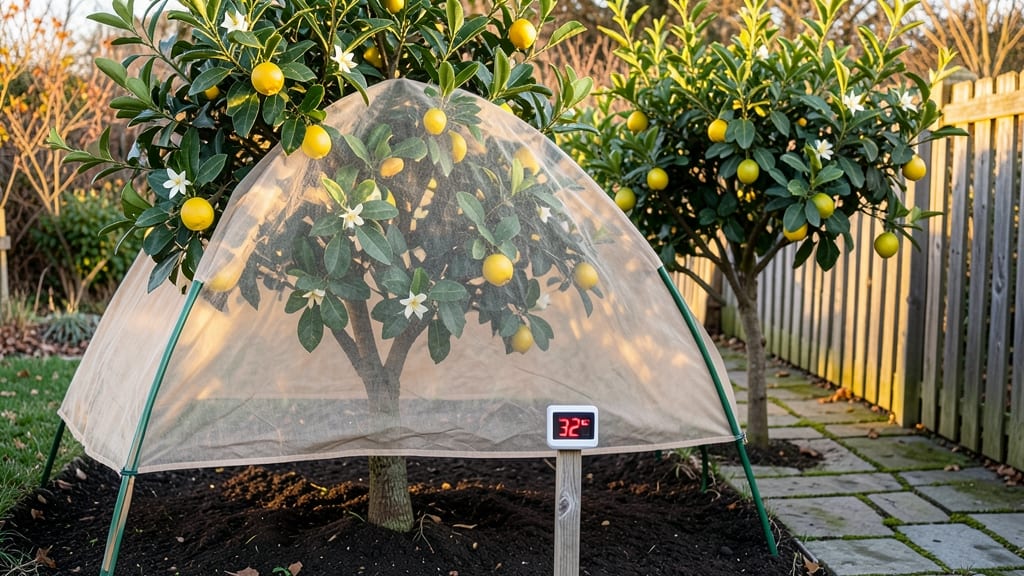
Whether you should cover your lemon tree in winter depends on your climate: in frost-prone areas (below 20°F), use frost cloth or burlap to protect it, while milder regions may only need wind barriers. Young trees and container-grown lemons require extra shielding to avoid cold damage.
Deciding whether to cover your lemon tree hinges on your local hardiness zone and the tree's age. 🌱 Lemon trees thrive in USDA zones 9-11, where temperatures rarely drop below 20°F, but even a brief frost can cause irreversible damage.
Young trees and those in pots are particularly vulnerable because their root systems lack the insulation of in-ground soil. If you're in a zone colder than 9, or if a late frost is forecasted, taking protective measures is essential to prevent leaf burn or bark cracking.
For container-grown lemons, the stakes are even higher—roots can freeze in as little as one night below 30°F. Moving potted trees indoors or wrapping them with insulating materials creates a microclimate that mimics their natural tropical environment. The key is acting before the first frost hits, not after damage occurs.
💡 In This Article
- When and Why Lemon Trees Need Winter Protection
- Step-by-Step Guide to Safely Wrapping Lemon Trees for Winter
When and why lemon trees need winter protection
Lemon trees are tropical plants that evolved in warm climates where temperatures rarely dip below 20°F. When exposed to colder air, their leaves—covered in tiny waxy cuticles—lose moisture rapidly through a process called desiccation.
At 28°F, the cellular structures in leaves begin to rupture, turning them black and crispy within hours. The bark, which contains water-conducting vessels, can also crack when temperatures drop below 20°F, creating entry points for fungal infections like citrus canker. 🌬️
The roots are equally vulnerable, especially in container-grown trees. In-ground soil insulates roots down to 12-18 inches deep, but potted plants have only 2-3 inches of soil—enough to freeze solid in a single night below 30°F.
This root damage disrupts the tree's ability to absorb water, leading to dieback (brown, dead branches) even if the leaves appear intact. Young trees, with their smaller root systems, are particularly at risk because they lack the energy reserves to recover from cold stress.
USDA hardiness zones provide a useful guide: lemon trees thrive in zones 9-11, where winter lows rarely drop below 20°F. In zone 8, temperatures can reach 10°F, requiring heavy protection like frost cloth or even temporary indoor relocation.
Zone 7 and colder are typically too harsh unless you're growing a cold-hardy variety like the Meyer lemon (which tolerates down to 15°F with protection). The key threshold is 20°F: below this, most lemon trees will show visible damage within 24 hours.
Signs of cold stress appear quickly: leaves turn black or develop brown, papery edges, while new growth may appear stunted or mushy. The bark can develop vertical cracks or ooze a sticky sap.
In severe cases, the entire tree may wilt despite adequate watering—a clear sign the roots have failed. These symptoms often appear 1-2 days after frost exposure, giving you a narrow window to intervene before the tree declines further.
Wind exacerbates the problem by accelerating moisture loss from leaves and bark. A 10 mph breeze can increase evaporation rates by up to 30%, making even mild frosts (25-30°F) dangerous.
This is why windbreaks—like burlap screens or plastic sheeting—are often sufficient in milder climates, while frost cloth is critical in colder zones. The cloth traps a thin layer of air next to the tree, creating a 5-10°F warmer microclimate around the foliage.
Age and size also play a role: mature trees with thick trunks and extensive root systems can withstand slightly colder temperatures than young saplings. A 5-year-old tree may handle 22°F with minimal protection, while a 2-year-old could suffer damage at 25°F.
Container-grown trees, regardless of age, are always the most vulnerable because their roots lack the insulation of the ground. Even a 1-inch-thick layer of mulch can make a significant difference in root temperature retention.
What most gardeners don’t realize is that the real danger isn’t just the cold itself, but the temperature fluctuations. A day that starts at 30°F and drops to 15°F by nightfall can cause more damage than a steady freeze at 18°F.
These swings stress the tree’s cells, making them more susceptible to freeze-thaw cycles that rupture cell walls. Monitoring forecasts and acting before the first frost is the best defense. 🌡️