
How To
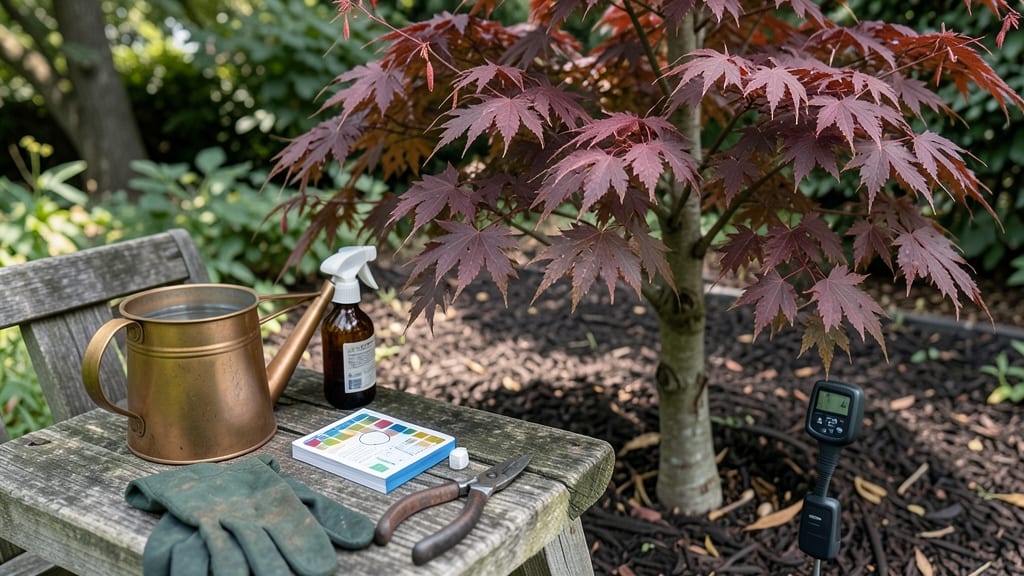
Acer tree brown tips on leaves can turn your stunning foliage into a sad, crispy mess—unless you act fast. 🌳 I’ve seen this happen after a long drought or when soil pH gets wonky, and the fix isn’t always what you’d expect.
Most people grab fungicide first, but the real culprit is often something simpler: water, nutrients, or even the wrong pruning habits.
The good news? This problem is almost always reversible with a few targeted fixes. Start by checking your watering routine—acer trees hate soggy roots but also can’t handle dry soil.
Then, test your soil’s pH and nutrient levels, especially potassium and magnesium, which are the first to show up as brown leaf tips. A quick soil test kit (or even a DIY vinegar/baking soda test) can tell you what’s missing.
Within 2-3 weeks of adjusting care, you’ll see fresh green growth pushing out from the center of the leaves. The key is consistency: water deeply but infrequently, mulch to retain moisture, and fertilize with a balanced formula in early spring.
If the tips are crunchy (not just dry), fungal issues might be at play—but that’s rare for healthy acers.
For stubborn cases, prune the worst-affected branches in late winter to encourage new growth. If the problem spreads to entire branches or oozes sap, though, it’s time to call an arborist—some infections need professional treatment. Most homeowners fix this themselves, though, and restore their tree’s glory in just a season.
Root Causes Behind Leaf Discoloration
When your Acer tree starts showing brown tips on its leaves, it’s often a cry for help from the roots upward. Understanding the why behind the browning is the first step to restoring that vibrant green.
Below, we break down the most common culprits—each with a clear scientific explanation and actionable insights to address them.
Brown tips on Acer leaves are frequently linked to waterlogged roots. When soil stays too soggy, roots suffocate from a lack of oxygen, leading to nutrient uptake failures. Overwatering also dilutes essential minerals in the soil, starving the tree of what it needs to thrive.
🔍 Signs to watch for:
- Yellowing leaves (chlorosis) alongside brown tips
- Mushy, foul-smelling soil at the base of the tree
- Slow or stunted growth despite regular watering
💡 Fix it: Adjust your watering routine—Acer trees prefer well-draining soil and consistent moisture (not sogginess). Amend heavy clay soil with compost or perlite to improve aeration. Water deeply but only when the top 2-3 inches of soil are dry.
Intense sunlight or prolonged heat waves can scorch Acer leaves, causing brown, crispy edges. This is especially common in Japanese Maple (Acer palmatum) varieties, which prefer dappled shade. Direct afternoon sun acts like a magnifying glass, literally cooking the leaf edges.
🔍 Signs to watch for:
- Brown tips that appear dry and papery (not mushy)
- Discoloration on south- or west-facing leaves
- Leaves curling or wilting under peak sun
🌡️ Fix it: Provide afternoon shade with a light fabric shade cloth (30-50%) or plant near taller trees that filter sunlight. Mulch the root zone to insulate soil and retain moisture. If your tree is in a hot, exposed area, consider drip irrigation to keep leaves hydrated.
Brown tips can signal a lack of key nutrients, particularly when paired with other symptoms like yellowing between veins (chlorosis). Acer trees are heavy feeders and often suffer from:
| Nutrient | Deficiency Signs | Quick Fix |
|---|---|---|
| 🌿 Nitrogen (N) | Pale green or yellow leaves with brown tips; stunted growth | Apply a balanced fertilizer (10-10-10) in early spring or use composted manure. |
| 💧 Potassium (K) | Brown, crinkled tips; weak stems; poor cold hardiness | Use a potassium-rich fertilizer (like greensand) or wood ash (sparingly). |
| 🌱 Magnesium (Mg) | Yellowing between veins (chlorosis) with brown edges | Apply Epsom salt (magnesium sulfate)—mix 1 tbsp per gallon of water and spray foliage. |
| 💧 Iron (Fe) | Yellow leaves with brown, brittle tips (common in alkaline soils) | Use an iron chelate fertilizer or sulfur to acidify soil (pH 6.0-7.0 ideal). |
💡 Pro tip: Conduct a soil test before fertilizing—overdoing it can worsen the problem by burning roots. Organic matter (compost, leaf mold) slowly releases nutrients without risk of overapplication.
While brown tips are usually environmental, pests like spider mites, aphids, or scale insects can also cause them by sucking sap and stressing the tree. Fungal diseases (e.g., anthracnose) may also appear as brown, irregular patches with yellow halos.
🔍 Signs to watch for:
- Sticky residue (honeydew) on leaves or nearby surfaces
- Visible pests (tiny webs, crawling insects, or white cottony masses)
- Brown tips that spread inward in a patchy pattern
🛡️ Fix it:
- For pests: Blast leaves with a strong hose to dislodge mites/aphids, then apply neem oil or insecticidal soap.
- For fungal issues: Prune infected branches (sterilize tools with rubbing alcohol) and treat with copper fungicide.
- Improve air circulation by thinning dense foliage to prevent future outbreaks.
If brown tips appear after a cold snap or during late spring, your Acer may have suffered freeze damage. Young leaves are especially vulnerable to rapid temperature fluctuations (e.g., daytime thaw followed by nighttime frost).
🔍 Signs to watch for:
- Brown tips on new growth in early spring
- Leaves that feel crunchy or brittle when touched
- Delayed bud break or blackened leaf edges
🌡️ Fix it: Protect your tree by:
- Applying a 2-3 inch layer of mulch around the base (but not touching the trunk) to insulate roots.
- Using burlap wraps or frost cloths on young trees in late fall/early spring.
- Avoiding late-season fertilizers, which encourage tender new growth vulnerable to frost.
Quick Fixes for Acer Tree Health
Brown tips on your acer tree’s leaves can be frustrating, but the good news is that most issues are easily reversible with the right care. Below, we’ve matched common causes to practical solutions—plus prevention tips to keep your tree thriving. Let’s get those leaves back to vibrant green!
---
If your acer tree’s roots are sitting in soggy soil, they can’t absorb nutrients properly, leading to brown, crispy tips. Fix it fast:
- 🔥 Improve Drainage - Amend the soil with organic matter like compost or perlite to loosen heavy clay. - If planting in a container, ensure pots have drainage holes and use well-draining potting mix. - For in-ground trees, consider raising the planting mound slightly to prevent water pooling.
- 👨🍳 Adjust Watering Habits - Water deeply but less frequently—acer trees prefer 1–1.5 inches of water per week (including rain). - Avoid shallow watering, which encourages weak roots.
Use a soaker hose or drip irrigation for even moisture. - 🌡️ Pro Tip: Stick your finger 2–3 inches into the soil—if it’s damp, wait before watering again.
- ⏰ Prevention: - Mulch around the base (but keep it 3–4 inches away from the trunk) to retain moisture and regulate soil temperature. - Avoid watering in the late afternoon or evening to reduce fungal risks.
---
Brown, brittle tips often signal thirsty leaves—especially in hot, dry weather. Revive your tree with these steps:
- 🍳 Deep Watering Sessions - Water slowly and deeply until moisture reaches 12–18 inches down (use a moisture meter if unsure). - For young trees, water 2–3 times per week during heatwaves; mature trees need weekly deep watering.
- 🌿 Provide Temporary Shade - If leaves are scorched, lightly shade the tree with frost cloth or a shade sail (30–50% coverage) for a few weeks. - Avoid full shade—acer trees need 6+ hours of sunlight daily but may need afternoon relief in extreme heat.
- 🎯 Prevention: - Mulch heavily (2–4 inches) to lock in moisture and cool roots. - Water early in the morning to reduce evaporation. - 💡 Quick Fix: Mist leaves on very hot days (but avoid doing this if humidity is high—it can promote fungus).
---
Brown tips can also signal fungal infections (like anthracnose) or pest attacks (e.g., spider mites, scale). Act fast with these remedies:
- 🔪 Prune Damaged Leaves - Remove affected leaves and branches with sterilized pruners (wipe with rubbing alcohol between cuts). - Dispose of pruned material in the trash (not compost) to prevent reinfection.
- 🌡️ Fungal Treatment - Spray leaves with a copper fungicide or neem oil solution (1 tbsp neem oil + 1 tsp mild soap per quart of water). - Apply in the early morning for best coverage and repeat every 7–10 days until new growth appears.
- 🐜 Pest Control - Spider mites? Blast leaves with water or use insecticidal soap. - Scale insects? Scrape off with a soft brush or apply horticultural oil in late winter/early spring.
- ✨ Prevention: - Space trees properly (3–5 feet apart) for airflow. - Avoid overhead watering—use drip irrigation or soaker hoses. - 💡 Pro Tip: Encourage beneficial insects (like ladybugs) by planting marigolds or dill nearby.
---
Brown tips can mean your acer tree is hungry—especially for iron, nitrogen, or potassium. Feed it right:
- 📊 Soil Test First - Grab a DIY soil test kit ($10–$20) or send a sample to your local extension office for a full analysis. - Common deficiencies in acer trees: - Iron deficiency → Yellowing between veins (chlorosis). - Nitrogen deficiency → Pale green or yellow leaves. - Potassium deficiency → Brown edges and weak stems.
- 🥗 Fertilizer Fixes - For iron deficiency: Apply chelated iron supplement (follow package rates) or use Epsom salt (1 tbsp per gallon of water, sprayed on leaves). - For nitrogen: Use a balanced fertilizer (10-10-10 or 20-20-20) in early spring. - For potassium: Switch to a potassium-rich fertilizer (like 0-0-50) in late summer.
- 🌱 Organic Alternatives - Compost tea (brewed from aged compost) provides slow-release nutrients. - Fish emulsion (high in nitrogen) or kelp meal (rich in potassium) work well for organic gardeners.
- 🎯 Prevention: - Fertilize in early spring (when new growth starts) and early fall—avoid mid-summer feeding. - Mulch annually with well-rotted compost to improve soil gradually.
--- 💡 Final Reminder: Most brown tips improve within 4–6 weeks of corrective care. If problems persist, consult a local arborist—they can check for root rot, soil pH issues, or hidden pests that need professional treatment.
Frequently asked questions about acer tree leaf issues
Why do my maple tree leaves get brown tips in summer?
Summer brown tips usually mean your tree is either thirsty or getting too much direct sunlight. Acer trees need consistent moisture—water deeply 2-3 times per week during heatwaves and provide afternoon shade if leaves feel crispy to the touch. Mulching with 2-3 inches of organic material helps retain soil moisture and prevents evaporation.
Can brown leaf tips spread to the whole leaf?
Yes, if untreated, brown tips can spread inward or downward, eventually causing the entire leaf to brown and crisp. This often happens when the root cause—like nutrient deficiency or fungal infection—goes unaddressed. Act within 2-3 weeks by adjusting watering, testing soil pH, and applying targeted fertilizers (like Epsom salt for magnesium) to stop progression.
Is it safe to prune branches with brown-tipped leaves?
Yes, but only if the browning is crispy and dry (not mushy or oozing). Prune affected branches in late winter or early spring using sterilized tools to prevent disease spread. Dispose of pruned material in the trash—never compost infected leaves. For severe cases, consider professional pruning to avoid stressing the tree further.
How do I tell if brown tips are from pests vs. environmental stress?
Check for visible pests first—look for tiny webs (spider mites), sticky residue (aphids), or white cottony masses (scale). Environmental stress usually shows as uniform browning on older leaves, while pests cause irregular patches and often appear on new growth. Use a magnifying glass to inspect leaf undersides if you're unsure.
Will my acer tree recover if I fix the brown tips now?
With proper care, most acer trees show new green growth within 4-6 weeks. Focus on deep watering, balanced fertilization, and proper mulching. Avoid over-fertilizing—this can burn roots and worsen the problem. If you see sap oozing or large branches dying, though, consult an arborist for deeper issues like root rot or disease.