
Blooming
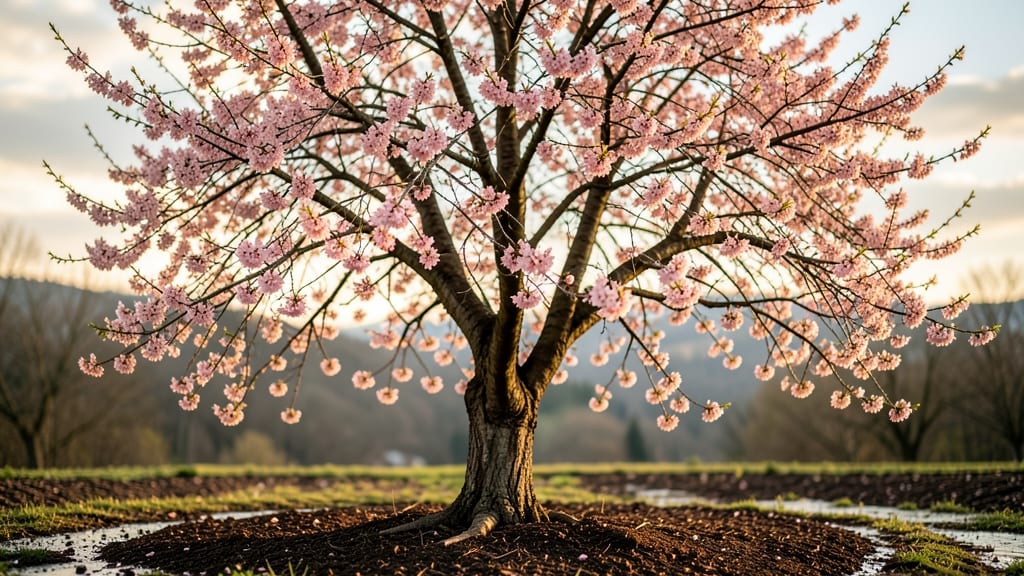
The flowering time of a cherry tree bursts into bloom when temperatures climb to 50-55°F for three days straight—your cue that spring’s finally here. 🌸 I’ve watched my neighbors’ trees miss their window entirely because they didn’t track those subtle temperature shifts, while mine opens up like clockwork every year. The difference? Paying attention to your zone’s last frost dates and variety traits.
Most ornamental cherries (like Yoshino or Kwanzan) flower in late March to early May, depending on where you live. In Zone 5, expect blooms around mid-April, while Zone 8 trees often start in February.
Sweet cherries (the ones for eating) typically bloom 2-3 weeks later—nature’s way of ensuring pollinators are ready. The key to predicting your tree’s timeline? Check your local USDA zone map and match it to your variety’s known bloom window.
Once those pink clouds appear, you’ve got 7-10 days of peak bloom before petals fall. That’s when you’ll want to prune (after blooms drop) or protect against late frosts—nothing ruins the show faster than a surprise freeze.
The post-bloom period is also prime time for fertilizing, since the tree’s redirecting energy from flowers to fruit or foliage growth.
Pro tip: Set a reminder for 3 weeks before your zone’s average bloom date to start monitoring weather forecasts. A simple garden journal tracking bloom times each year will help you refine predictions—and maybe even time a picnic under those fragrant canopies.
Every year, I swear I’ll remember to take photos, then forget until the petals are on the ground.
📚 In This Guide
- What you need
- Instructions
- Tips and common mistakes
- Wrapping up and next steps
What you need
- ● Cherry tree variety guide: A printed or digital list of your cherry tree’s specific variety (e.g., Prunus avium or Prunus serrulata), including its USDA Hardiness Zone (5-9) and chill hour requirements (e.g., 400–1,000 hours below 45°F).
- ● Weather data tools: A local weather station (or access to a trusted source like the National Weather Service or Weather Underground).
- ● A thermometer (preferably a digital max/min thermometer for accuracy).
- ● Calendar or bloom-tracking app: A notebook or digital tool (e.g., Gardenate, Farmers’ Almanac) to log daily low temperatures and cumulative chill hours.
- ● Pruning shears: Bypass pruners (clean, sharp, and disinfected to prevent disease).
- ● Bloom predictor charts: Printable or digital charts for your cherry tree’s variety (e.g., from University Extension Services or local nurseries).
- ● Soil thermometer: To monitor root-zone temperatures (ideal for late-winter adjustments).
- ● Growth regulator spray: (e.g., hydrogen cyanamide) for Zone 7+ growers to break dormancy early (use sparingly and follow label instructions!).
- ● Camera or smartphone: For documenting bud swell stages (compare with online guides!).
- ● Neighborhood cherry tree network: Partner with nearby gardeners to cross-verify bloom times in your microclimate!
How to predict cherry tree flowering time by climate Zone
Knowing when your cherry tree will bloom depends on more than just calendar dates—it's all about temperature cues and zone-specific patterns.
🌱 Step 1: Identify Your Cherry Tree Variety and Hardiness Zone
Start by confirming your tree's type—sweet cherries (Prunus avium) and tart cherries (Prunus cerasus) bloom at different times. Sweet cherries typically flower in late April to early May in warmer zones, while tart cherries may bloom 2-3 weeks earlier. Check your USDA Hardiness Zone (1-11) using the USDA Plant Hardiness Zone Map—this directly impacts bloom timing.
For example, a sweet cherry in Zone 5 might bloom in mid-May, while the same variety in Zone 8 could flower by early April. I always double-check my zone because a miscalculation can mean missed bloom windows. If you're unsure, consult your local cooperative extension office—they have climate data specific to your region.
☀️ Step 2: Track Chill Hours and Warmth Requirements
Cherry trees need chill hours (accumulated hours below 45°F) to break dormancy and trigger flowering. Most sweet cherries require 500-900 chill hours, while tart cherries often need 300-600 hours. Use a home weather station or check your local NOAA climate data to track chill hours each winter.
Once chill hours are met, the tree needs consistent warmth—typically 50-60°F for 7-10 consecutive days—to push buds into bloom. In my Zone 6 garden, I start monitoring temperatures in mid-March. If we get an unseasonable warm spell, the tree might bloom early, but a late frost can damage flowers. I’ve learned to watch for bud swell (when buds double in size) as the first visual cue.
⏰ Step 3: Monitor Bud Development Stages
Cherry tree buds go through distinct stages before flowering: green-tip (buds swell and turn green), tight cluster (petals visible but closed), and bloom (full petal opening). In Zones 6-7, green-tip usually appears in late March to early April, while full bloom happens 2-3 weeks later. In colder zones (4-5), expect these stages to shift 2-4 weeks later.
Here’s the trick: bud development is more reliable than dates. If your tree is in the green-tip stage by mid-April but hasn’t bloomed by mid-May, something may be off—perhaps insufficient chill hours or stress from pests. I keep a small notebook to track these stages year after year, which helps me predict future bloom times more accurately.
🌿 Step 4: Adjust for Microclimates and Tree Age
Microclimates—like a south-facing slope or urban heat island—can shift bloom times by 1-2 weeks. A tree planted near a heat-retaining wall might bloom 7-10 days earlier than one in an open field. Younger trees (under 5 years old) often bloom 1-2 weeks later than mature trees because they’re still establishing their root systems and energy reserves.
I once had a tart cherry in a sheltered microclimate that bloomed in early April, while an identical tree 50 feet away in full sun didn’t flower until mid-April. If your tree is in a container or a high-traffic area, it might also experience stress that delays blooming. Pay attention to leaf color and overall vigor—healthy trees bloom more reliably.
✂️ Step 5: Plan for Post-Bloom Care to Ensure Next Year’s Flowers
After flowering, cherries set fruit, which demands nutrients and water. A heavy fruit load can exhaust the tree, reducing next year’s bloom potential. Thin fruit to 6-8 inches apart to balance energy use. Additionally, apply a balanced fertilizer (10-10-10) in early spring to replenish nutrients lost during flowering and fruiting.
Prune dead or crossing branches after blooming to avoid removing next year’s flower buds. I always prune in late May or June when the tree has finished flowering but before new growth hardens off. This timing ensures I don’t accidentally cut off potential bloom sites while still shaping the tree for better air circulation and sunlight penetration.
Tips & tricks for perfect cherry tree bloom timing
Here's what nobody tells you about making bloom predictions work for your specific climate—these details separate the guesswork from the science.
Chill Hour Accuracy: Don't rely solely on calendar dates when tracking those critical 300-600 hours below 45°F. Many weather stations only record hourly data during daylight hours, missing crucial nighttime chill accumulation. I've found that low-cost outdoor thermometers with data logging (like the AcuRite 01085) provide more reliable chill hour tracking than standard weather stations. Place yours near your tree's canopy for the most accurate reading—this is where the buds actually experience the temperature.
Visual Cues Over Dates: The green-tip stage in Step 3 is your most reliable early warning system. In my Zone 6 garden, I've noticed that when buds first turn green and swell to twice their winter size, they're typically 14-21 days from full bloom. This visual cue works better than dates because it accounts for microclimate variations and tree age differences. I mark this stage in my garden journal with the exact date—it becomes my personal bloom predictor for future years.
Frost Watch System: After buds reach the tight cluster stage (when petals are visible but still closed), your tree becomes extremely frost-sensitive. I've developed a simple frost alert system: when buds reach this stage, I check the National Weather Service's frost probability maps for my zone and set up my fan-based frost protection system. The key temperature threshold is 28°F—once buds are in tight cluster, any frost below this can damage or kill flowers. In Zone 7, this typically happens between late April and early May, but your exact timing depends on when your tree reached that stage.
Post-Bloom Care Timing: The late May or June pruning window in Step 5 is non-negotiable for maintaining next year's bloom potential. I've learned this the hard way—pruning too early can remove flower buds that haven't formed yet, while waiting too long risks removing next year's growth. The best indicator is when new leaf growth has hardened off (you can no longer easily bend the new shoots) but before the tree sets new fruit. This usually coincides with when most cherry varieties have finished flowering and fruit has reached pea size.
Pro Tips for Cherry Tree Flowering Time
- Here's what nobody tells you about making bloom predictions work for your specific climate—these details separate the...
- Chill Hour Accuracy: Don't rely solely on calendar dates when tracking those critical 300-600 hours below 45°F. Many ...
- Visual Cues Over Dates: The green-tip stage in Step 3 is your most reliable early warning system. In my Zone 6 garden...
Frequently asked questions
Got questions about when your cherry tree will burst into bloom? Here are some of the most common ones—and their answers—to help you plan ahead!
When do cherry trees typically flower?
Cherry trees usually bloom in late winter to early spring, with exact timing depending on your climate zone. In the U.S., blooms often appear between February and April. For example, Sweet Cherry varieties may flower in March-April, while Tart Cherry trees often bloom slightly later, in April-May.
Does cold weather affect cherry tree flowering?
Yes! Cherry trees need a period of chilling hours (typically 500–1,000 hours below 45°F) to trigger blooms. If winters are too mild, flowering may be delayed or sparse. In warmer zones (like Zone 8+), consider late-blooming varieties or use artificial chilling methods if needed.
Can I control or speed up flowering time?
You can’t force a cherry tree to bloom earlier, but you can optimize conditions:
- Ensure proper chilling hours by planting in cooler zones.
- Avoid late pruning (prune in late winter to prevent stress).
- Water deeply in fall/winter to support root health.
What if my cherry tree isn’t flowering?
Check these common issues:
- Age: Young trees (3–5 years) may not bloom yet.
- Lack of chilling: Warm winters can delay blooms.
- Over-fertilizing: Too much nitrogen = leafy growth, no flowers.
- Disease/pests: Fungal issues (like silver leaf disease) can weaken trees.
Are there early-blooming cherry tree alternatives?
If you want earlier blooms, try these varieties:
Variety
Bloom Time
Best For
Stella Pink
Late February–March
Cold climates (Zones 4–7)
Royal Ann
March–early April
Ornamental + edible (Zones 5–9)
Montmorency
April–May
Tart cherries (Zones 4–8)
Wrapping up and next steps
Understanding your cherry tree flowering time is all about knowing your climate zone, variety, and a little patience! 🌸 Whether you're in the cold embrace of Zone 3 or the milder skies of Zone 9, timing is key—soak in these insights to anticipate those stunning blossoms.
Now that you're armed with knowledge, why not mark your calendar and plan a cozy picnic under the blooms? Or, if you're feeling adventurous, consider planting a new variety to extend your floral season—your garden (and future self) will thank you!