
Pruning
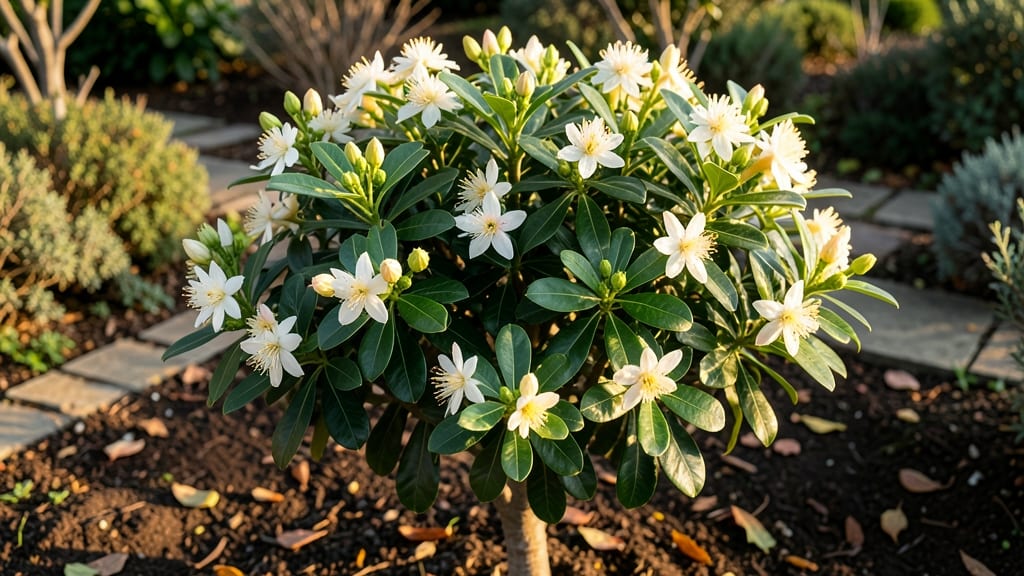
Loquat tree flowers bloom in late winter to early spring, producing fragrant white blossoms before fruit develops. Encourage more blooms by pruning in late winter, ensuring full sun exposure, and fertilizing with citrus-specific nutrients during dormancy.
Loquat trees are famous for their stunning white blossoms that appear just before fruit sets in, creating a breathtaking spring display. 🌸 The timing of these flowers is closely tied to the tree's dormancy cycle—once temperatures rise above 50°F consistently, the buds burst open within 2-4 weeks.
What many growers don't realize is that these flowers are highly sensitive to frost; even a light freeze can damage buds before they open, reducing your harvest potential.
To maximize blooms, focus on three key factors: sunlight, pruning, and nutrition. Loquat trees thrive in full sun (6+ hours daily), but they also need proper air circulation to prevent fungal issues.
I've found that pruning in late winter—right before buds swell—stimulates new growth while removing dead wood that competes for energy. For nutrition, a balanced citrus fertilizer (high in nitrogen early, then shifting to phosphorus and potassium as buds form) makes all the difference in flower production.
💡 In This Article
- Loquat Tree Flowering Seasons and Climate Factors
- Step-by-Step Guide to Boosting Loquat Tree Blooms
Loquat tree flowering seasons and climate factors
The blooming cycle of loquat trees is triggered by a combination of temperature shifts and daylight changes. These trees typically enter dormancy in late fall when nighttime temperatures drop below 50°F for several weeks.
Once winter chill hours accumulate (usually 200-400 hours below 45°F), the tree's internal clock signals buds to prepare for spring. This dormancy period is critical—without sufficient chill hours, buds may fail to develop properly, leading to sparse or weak flowering.
Regional variations play a huge role in bloom timing. In warmer climates like Southern California or Florida, loquat trees often bloom as early as January, while in colder regions like the Pacific Northwest or Midwest, flowering may not begin until March or April.
The key temperature trigger occurs when daytime highs consistently reach 60°F or above for at least 5-7 days. At this point, the tree's buds swell rapidly, and within 2-3 weeks, you'll see those iconic fragrant white blossoms appear.
Humidity also matters—too much moisture during bloom can encourage fungal diseases like powdery mildew, which can devastate your flowers before they even open.
Frost poses one of the biggest threats to loquat blooms. These delicate flowers can't tolerate temperatures below 28°F, and even light frosts (30-32°F) can damage petals and reduce fruit set.
I've seen entire blooms drop after a single night of frost, which means fewer fruits later in the season. To protect your tree, consider using frost cloths or even a simple row cover during late winter if your region experiences unpredictable cold snaps.
The good news is that loquat trees are remarkably resilient—they'll often produce a second flush of blooms if the first is damaged, though this may delay fruit ripening.
Another climate factor worth monitoring is wind patterns. While loquat trees need good air circulation to prevent disease, strong winds during bloom can actually disrupt pollination. The tree's flowers rely on bees and other pollinators, and gusts over 10 mph can make it difficult for them to navigate the blossoms.
If you're in a windy area, consider planting your loquat tree near a windbreak like a fence or hedge to create a more stable environment for pollinators. This small adjustment can significantly improve both flower retention and fruit development.
Soil temperature also influences flowering success. Loquat trees prefer well-draining soil that warms up quickly in spring. If your soil stays cold and wet for too long, root activity slows down, which can delay bud break.
To help regulate soil temperature, mulch around the base of your tree with 2-3 inches of organic material like wood chips or straw. This creates a microclimate that warms faster in spring while retaining moisture during dry periods.
The right soil conditions can make the difference between a modest bloom and a spectacular display of white flowers.
Finally, understanding your loquat tree's maturity level helps predict bloom patterns. Younger trees (under 5 years old) may produce fewer flowers as they focus energy on establishing roots and structure. Mature trees, on the other hand, can produce hundreds—or even thousands—of blossoms in a single season.
If you're growing a young tree and want to encourage early flowering, avoid heavy pruning in the first few years, as this can delay the tree's ability to produce flowers. Instead, focus on establishing strong root growth through proper watering and fertilization.