
Picking
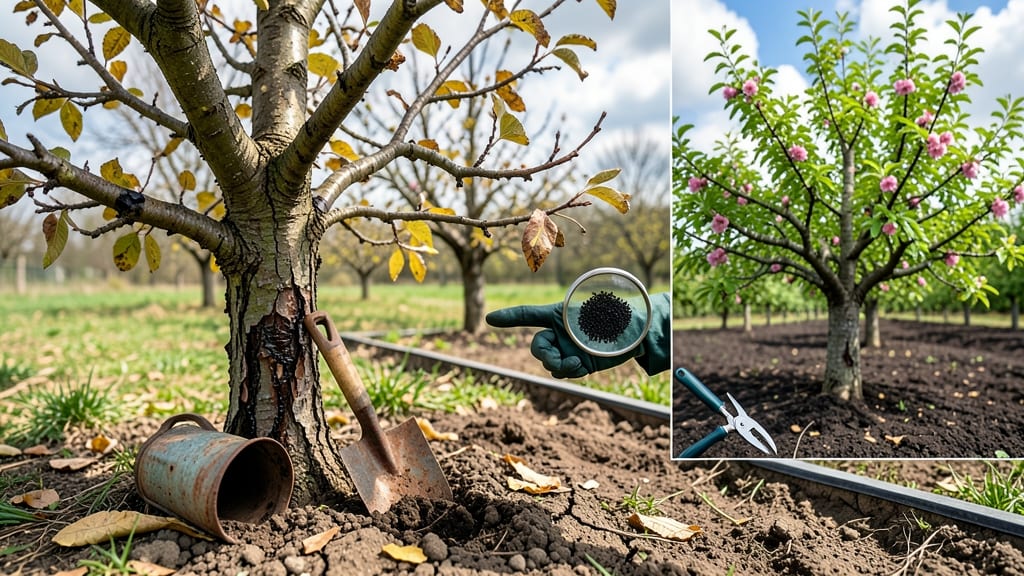
Your tree might be dying if the leaves turn brown and crispy before falling—that’s the first sign most people miss. 🌳 I’ve watched my own oak lose branches silently over months, and the early clues were subtle: patches of yellowing, then brittle leaves that crunched underfoot instead of drifting down gently.
Start by checking the bark for cracks, oozing sap, or strange growths—those are red flags. Then dig around the base (just a few inches) to see if roots look healthy or rotting. A simple soil test kit can reveal if poor nutrition or waterlogging is the real issue.
You’ll spot the difference between seasonal stress and true decline by comparing branches: dying trees shed leaves from the inside out, while healthy ones lose them evenly. If half the canopy is bare in late summer, it’s time to act.
Don’t wait until branches snap or the trunk splits—consult an arborist if you see mushrooms growing at the base. Prevention starts with proper watering (deep but infrequent) and mulching to protect roots from temperature swings.
📚 In This Guide
- What you need
- Instructions
- Tips and common mistakes
- Wrapping up and next steps
What you need
- ● Safety gear: Work gloves (1 pair) – nitrile or leather for grip and protection
- ● Safety goggles (1 pair) – to shield eyes from debris or sap
- ● Inspection tools: Hand lens or magnifying glass (1) – for close-up checks of bark, leaves, or insects
- ● Measuring tape (1) – 16 ft. for assessing tree height or branch spread
- ● Notebook & pen (1 each) – to record observations like discoloration or pest signs
- ● Basic gardening tools: Pruning shears (1 pair) – bypass pruners for clean cuts (10–12" blades)
- ○ Small shovel or trowel (1) – for gently lifting soil or checking roots (optional but helpful)
- ● Digital camera (1) – to document symptoms over time
- ● Moisture meter (1) – for soil hydration checks (especially for drought-prone trees)
- ● Ladder (1) – if assessing tall branches (ensure it’s stable and rated for your weight)
- ● Tree identification app (free) – like PictureThis or iNaturalist to confirm species-specific issues
How to diagnose a dying tree: 5 key signs to watch for
Every tree has its own way of signaling distress—learn to read the warning signs before it’s too late.
🌿 Step 1: Check the Canopy for Thinning or Dead Branches
Start by scanning the entire crown from all sides. A healthy tree has a full, lush canopy with leaves evenly distributed. If you notice large patches of bare branches or leaves that look dry, crispy, or brown instead of vibrant green, that’s your first red flag. I like to run my hand along branches—if leaves fall off at the slightest touch, the tree is already struggling.
Look for dead branches that snap easily when bent (instead of bending with the tree). These are called "widowmakers" for a reason—they’re a major safety hazard. If more than 20-30% of the canopy is affected, the tree is likely in distress. Take photos from multiple angles to track progression over weeks.
🌿 Step 2: Inspect the Bark for Cracks, Peeling, or Fungal Growth
Healthy bark varies by tree species but should generally appear smooth, intact, and free of unusual textures. Run your fingers along the trunk and major branches—if you feel deep cracks, oozing sap, or soft, spongy areas, that’s a sign of internal decay or pest damage. Some trees naturally develop rough bark as they age, but sudden changes are never a good sign.
Check for fungal growth like shelf fungi (conks) or powdery mildew. These often appear as bright orange, white, or black patches on the bark or leaves. I’ve seen trees with just a few small conks recover with proper care, but large, widespread fungal growth usually means the tree’s immune system is overwhelmed.
🌱 Step 3: Examine the Leaves for Discoloration or Early Drop
Yellowing leaves (chlorosis) can mean several things—nutrient deficiency, poor drainage, or root rot. But if the yellowing starts at the tips or edges of older leaves and spreads inward, that’s often a sign of iron or nitrogen deficiency. On the other hand, if young leaves turn yellow first, it could indicate a manganese or magnesium issue.
Watch for premature leaf drop—if leaves fall off in summer or early autumn instead of waiting for fall, the tree is stressed. I once had a maple tree that dropped half its leaves in July, and within months, it was dead. If you see leaves curling, wilting, or developing holes, pests like mites or borers are likely the culprits.
💧 Step 4: Probe the Soil and Roots for Moisture Issues
Dig a small hole about 6-12 inches deep near the tree’s drip line (the edge of its canopy). Stick your finger into the soil—if it feels bone-dry despite recent rain, the tree isn’t getting enough water. Conversely, if the soil is waterlogged or smells like rot, root rot may be setting in. Healthy soil should feel moist but not soggy, like a damp sponge.
Gently pull back the top layer of soil to check for mushy, dark roots (sign of rot) or thin, brittle roots (sign of drought stress). If you see white, cottony growth on roots, that’s a fungal infection. I’ve saved trees by improving drainage or adjusting watering habits at this stage—don’t give up yet.
⏰ Step 5: Assess the Tree’s Overall Growth and New Growth
A dying tree often shows little to no new growth in spring. Look for fewer than 3-4 inches of new shoots on branches—if you barely see any, the tree is struggling. Compare it to nearby healthy trees of the same species; the difference is usually obvious. I’ve seen trees with one or two stubborn new buds recover with proper care, but if the entire canopy is stagnant, it’s a bad sign.
Check the trunk’s diameter over time—if it’s not thickening by at least 1/8 inch per year, the tree isn’t growing. Also, look for epicormic shoots (small, weak branches sprouting from the trunk). While these can happen naturally, an explosion of them often means the tree is desperate for nutrients or light.
Tips & tricks for diagnosing tree health like a pro
Real talk: Trees don't come with warning labels, but these insights will help you spot trouble before it's too late. I've saved more than a few struggling trees by catching these subtle signs early.
Seasonal Comparison: The best way to spot trouble is to compare your tree to others of the same species. Take photos of your tree in spring, summer, and fall—healthy trees show consistent growth patterns. If your tree's foliage looks sparse compared to neighbors, that's your first clue something's off. I've seen oak trees that looked fine in winter but revealed major issues when spring buds failed to appear.
Timing is Everything: Pay attention to when symptoms appear. For example, if leaves start yellowing in summer instead of fall, it's often a sign of fungal issues or nutrient deficiencies. Premature leaf drop in summer is especially alarming—it means the tree is struggling to maintain its energy reserves. I once thought my birch tree was just late shedding leaves until I noticed the bark was already cracking.
Root Health Check: When you dig that 6-12 inch hole near the drip line, don't just check moisture—look for root distribution. Healthy roots should spread out like fingers from the trunk. If you find most roots clustered in one area with very few extending outward, that's a sign of poor soil conditions or root-bound stress. I've seen trees with beautiful canopies that were actually starving because their roots couldn't spread properly.
Pest Patrol: Tiny clues can reveal big problems. Look for sawdust-like frass around branch junctions (sign of borers), sticky sap (aphids), or tiny webs (spider mites). I caught a serious infestation early by noticing these small signs before the tree showed major canopy damage. Remember, pests weaken trees gradually—what starts as a minor annoyance can become a death sentence if ignored.
Pro Tips for How Do You Know If Your Tree Is Dying
- Real talk: Trees don't come with warning labels, but these insights will help you spot trouble before it's too late.
- Seasonal Comparison: The best way to spot trouble is to compare your tree to others of the same species.
- Timing is Everything: Pay attention to when symptoms appear.
Frequently asked questions
Got questions about your tree’s health?
Here are some of the most common concerns—plus clear answers to help you act fast.
Can a dying tree ever recover?
A tree might recover if caught early! If the issue is reversible (like overwatering, pests, or nutrient deficiency), pruning, soil amendments, or targeted treatments can help. However, if the tree is severely diseased, structurally compromised, or dead, removal is the safest option for safety and property.
How long does it take for a tree to die once it starts declining?
Timing varies by species and cause, but most trees show visible decline 6–24 months before death. Some (like oaks or maples) may linger longer, while others (like fruit trees) can deteriorate rapidly. Act within 3–6 months of noticing symptoms for the best chance of saving it.
Is it safe to keep a dying tree near my house?
No—dying trees pose serious risks. Dead or decaying wood is brittle and can fall unexpectedly, damaging roofs, cars, or even injuring people. If your tree is leaning, has large dead branches, or oozes sap, consult an arborist to assess removal before it becomes a hazard.
How much does it cost to remove a dying tree?
Costs range widely based on size, location, and complexity:
- Small tree (under 30 ft): $150–$500
- Medium tree (30–60 ft): $500–$1,500
- Large tree (over 60 ft) or hazardous: $1,500–$4,000+
Check local permits—some areas require professional removal for safety. Pro tip: Get quotes from 2–3 arborists to compare!
Should I replace a dying tree, or plant something else instead?
If your tree is beyond saving, consider native, low-maintenance alternatives that match your climate and space. For example:
- Replace a large oak with a serviceberry or hickory (similar shade but faster growth).
- Swap a diseased fruit tree for a drought-resistant fig or olive tree.
Pro tip: Test your soil first to ensure the new plant thrives!
Wrapping up and next steps
If your tree is showing signs like wilted leaves, peeling bark, or sparse foliage, don’t panic—early action can make all the difference! 🌱 Recognizing these clues helps you intervene before irreversible damage occurs.
Whether it’s a nutrient boost, pruning, or consulting an arborist, your tree’s health is in your hands.
Take the next step: inspect your tree today and address any issues with care. With the right approach, you can help it thrive again—one leaf at a time! 🌿